Şort
The Prophet Muhammad is presented as the greatest benefactor of humanity, enduring significant hardships throughout his life. The text emphasizes that offering prayers (salutations) upon him is a means of acknowledging his virtues and receiving divine reward. It highlights the importance of recognizing his exemplary character and the blessings associated with remembering him.

256
This lecture details the signs and characteristics of the Dajjal, a figure in Islamic eschatology. It describes his immense power, including the ability to resurrect the dead, manipulate perceptions, control weather, and traverse vast distances instantaneously. The Dajjal will claim divinity and perform miracles, attracting followers through illusions and false promises. He will possess complete dominion over the universe and demonstrate his power by splitting a person in two and then restoring them. This bayān explains these prophecies as detailed in hadith.
73
This lecture clarifies the distinction between trials (imtihan) and consequences (sada). It explains that both may appear similar externally, but the heart discerns their origin. Trials befall those striving on the righteous path, serving as tests from God. Consequences, however, stem from one’s actions. The heart will reveal whether a difficulty is a trial designed to elevate one’s status or a consequence requiring atonement. Recognizing this difference is crucial for spiritual growth and understanding divine justice.
62
This lecture clarifies the Islamic obligation of Hajj for those with the means to perform it. It emphasizes that Hajj is a right of Allah upon those who are physically and financially able, and delaying it after fulfilling the necessary conditions constitutes a grave sin. The discussion frames Hajj not merely as a religious act, but as a debt owed to Allah, requiring immediate fulfillment once capacity exists. The lecture underscores the importance of providing for dependents during the period of pilgrimage, highlighting the complete preparation needed for this sacred journey.
75
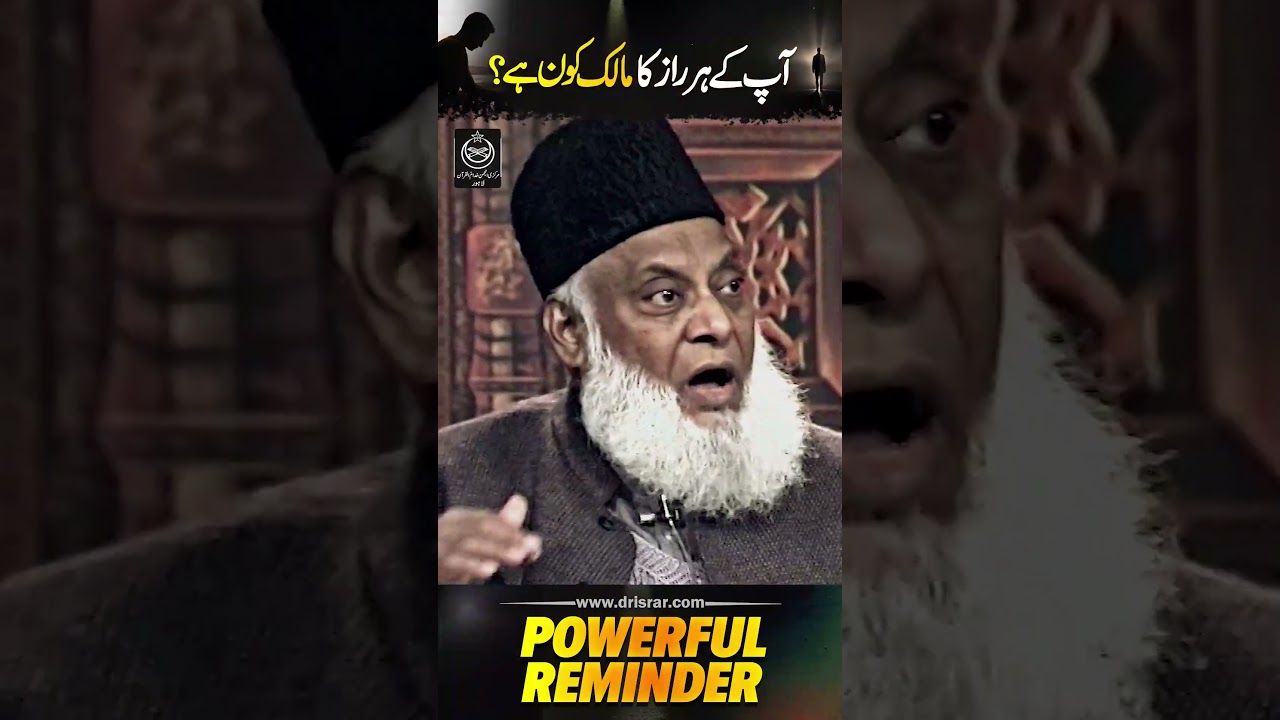
This lecture explores the three dimensions of Allah's knowledge as detailed in Surah Taghabun. The first is His knowledge of everything in the heavens and earth. The second is His awareness of both outward actions and hidden intentions. The third, and most profound, is His knowledge of the contents of the human heart, including subconscious thoughts and motivations. Humans often deceive themselves, believing their intentions are pure when they are not. Allah knows these hidden biases. This discussion connects these concepts to modern psychology, explaining the conscious, subconscious, and unconscious mind. It highlights that Allah is aware of the internal struggles, temptations, and the turmoil within the human psyche, even before the individual is consciously aware of them.
87
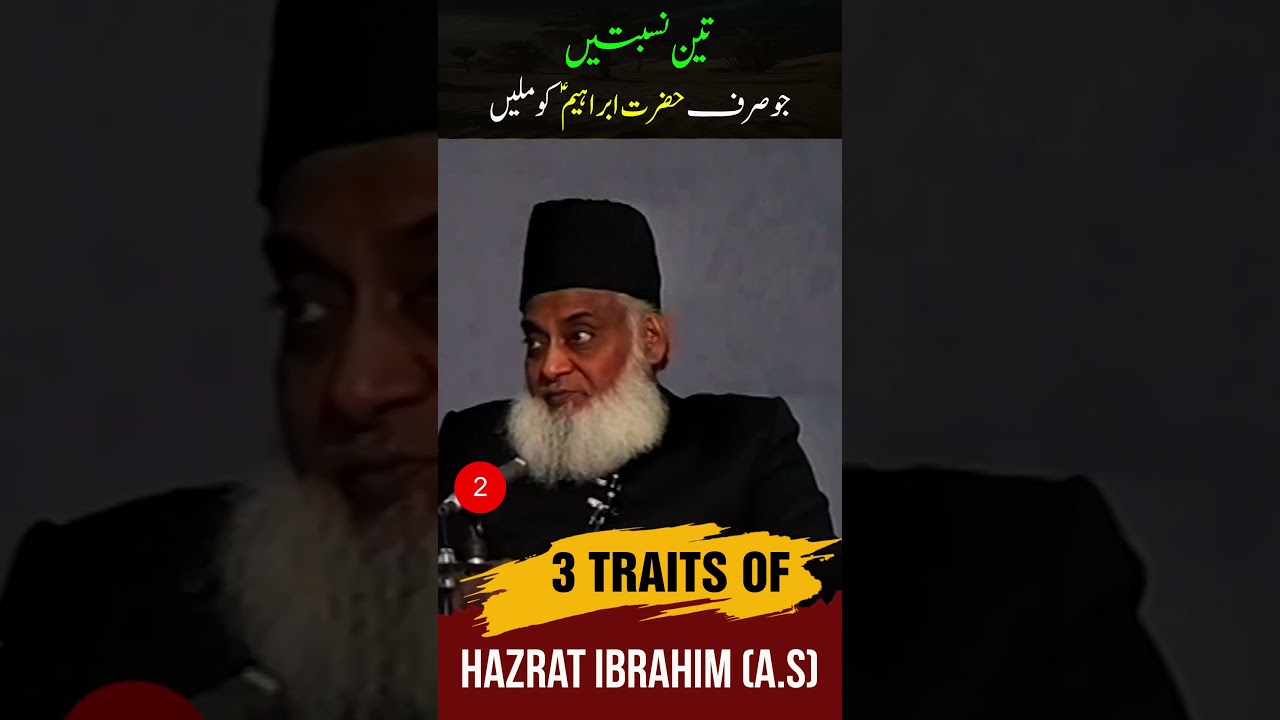
This lecture explores the unique relationship between Prophet Ibrahim (Abraham) and God, highlighting his status as a close friend (Khalil) of God as mentioned in the Quran. It details how God chose Ibrahim as an Imam (leader) for humanity and traces the lineage of prophets through his descendants, ultimately leading to Prophet Muhammad (peace be upon him). The lecture emphasizes the continuous chain of prophets spanning 1400 years, from Moses and Aaron through Jesus and John, culminating in the prophethood of Muhammad (peace be upon him). It underlines Ibrahim's pivotal role in the history of divine guidance.
72
