Pantalones cortos

This lecture emphasizes the individual responsibility to actively oppose wrongdoing. It asserts that every person has a duty to counter evil, first through direct action if capable, and if not, through vocal opposition. Remaining silent in the face of injustice is condemned as akin to supporting it, and even if unable to speak out, a strong internal aversion to evil must be maintained. The speaker warns against inviting divine wrath through inaction and complicity.

280

This lecture explores the limits of human understanding regarding the unseen world (Ghaib) and the afterlife. It emphasizes that certain aspects of these realms, such as the exact nature of punishment or what occurs after death, are beyond our complete comprehension. The speaker stresses the importance of accepting what has been revealed in the Quran and Sunnah regarding these matters through faith, rather than attempting to delve into details that are intentionally concealed. The lecture clarifies that belief in the unseen is a condition for benefiting from the guidance of the Quran, and highlights the experience of the deceased hearing the sounds of those departing after burial, as mentioned in Hadith. True understanding will only be revealed in the afterlife.
47
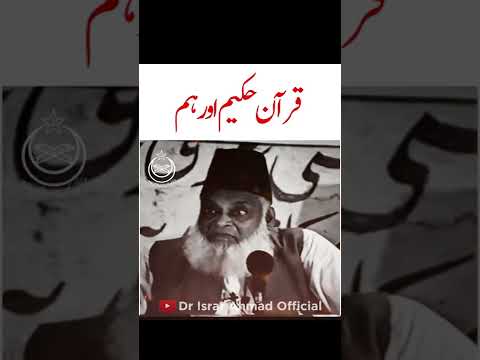
The lecture discusses the difference between reciting or listening to the Quran merely for information versus acting upon its teachings. The companions of the Prophet Muhammad (peace be upon him) immediately assessed their ability to fulfill the commands of each verse revealed. When the verse commanding adherence to *taqwa* (God-consciousness) was revealed, they questioned how anyone could fully fulfill God’s right to it. A subsequent verse clarified that individuals should strive to fulfill God’s commands to the best of their ability, recognizing the limitations of human capacity. The core message emphasizes sincere intention and striving within one's means.
58

This lecture discusses the importance of *khushu* (humility and devotion in prayer) and *tazkiya-e-nafs* (self-purification). It emphasizes that true worship goes beyond merely performing rituals; it requires a sincere connection with the Divine and a constant striving for self-improvement. The speaker highlights that valuable time should not be wasted on frivolous activities but dedicated to personal growth and purification. The concept of *zakat* is explained not as financial charity in its later legal form, but as a continuous process of self-assessment and removing inner flaws. The focus is on consistently striving for moral and spiritual cleansing.
75
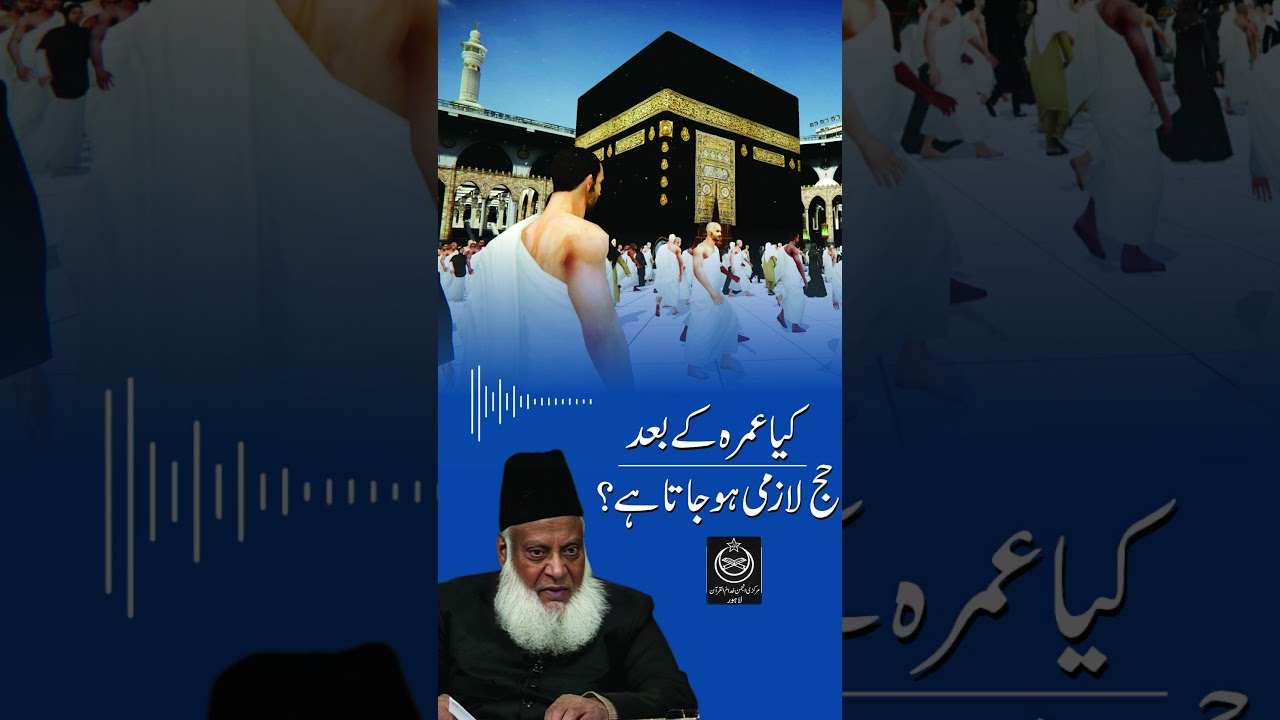
This lecture clarifies whether performing Umrah necessitates performing Hajj. It addresses the scenario of someone performing Umrah while on official government travel, funded by the state, and lacking the financial means for Hajj. The core point is that Umrah itself does not automatically make Hajj obligatory. However, if an individual possesses the financial capability, they should prioritize fulfilling the obligatory Hajj pilgrimage. The lecture emphasizes that if someone can afford to perform Hajj, it becomes an obligation upon them.
75
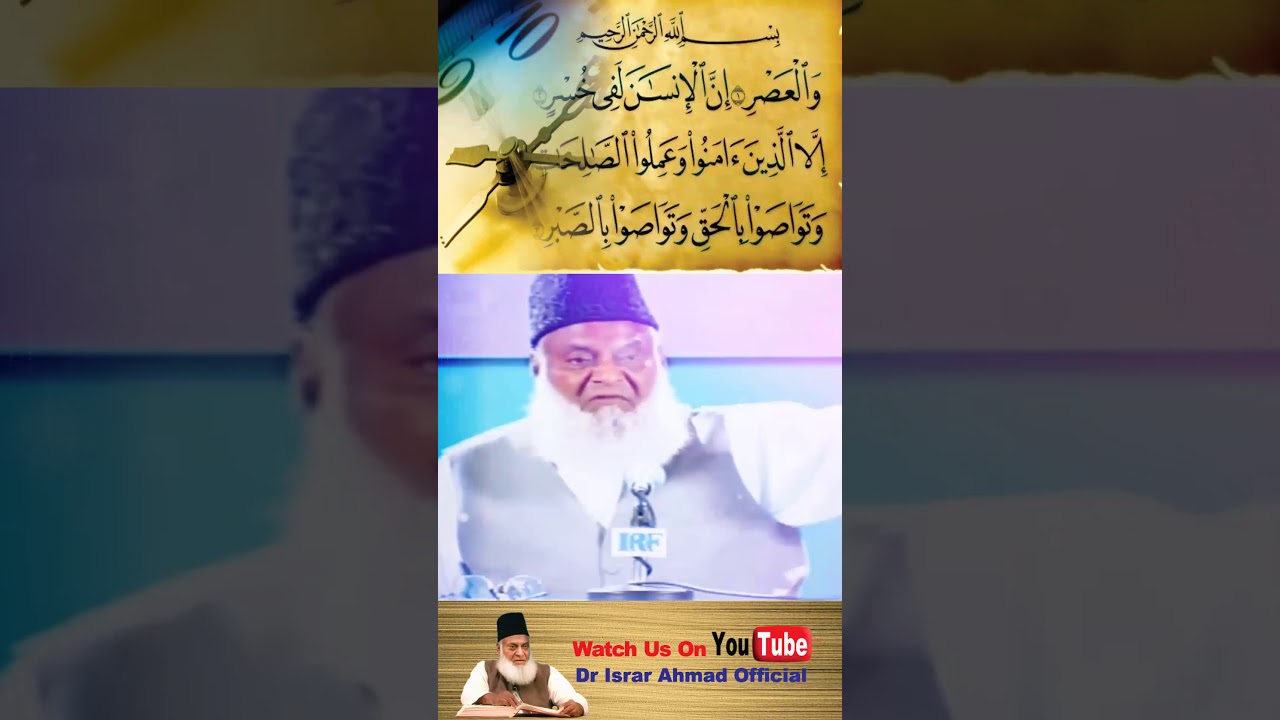
Humanity, universally, is in loss. Salvation is achieved through four essential conditions: faith, righteous deeds, advocating truth, and encouraging good conduct. These are not merely recommendations, but fundamental requirements for achieving deliverance. Without fulfilling these conditions, true salvation remains unattainable. This lecture details these prerequisites for spiritual success and a meaningful life.
217
