Kratke hlače
This lecture emphasizes the individual responsibility to actively oppose wrongdoing. It asserts that every person has a duty to counter evil, first through direct action if capable, and if not, through vocal opposition. Remaining silent in the face of injustice is condemned as akin to supporting it, and even if unable to speak out, a strong internal aversion to evil must be maintained. The speaker warns against inviting divine wrath through inaction and complicity.

280
The speaker discusses the erosion of fundamental human morality within the Muslim community of the Indian subcontinent, attributing it to roughly two centuries of colonial rule. This subjugation has diminished the inherent strength of character, leading to a prevalence of insincere promises and a lack of steadfastness. The speaker emphasizes that these core ethical principles are universal, present even among non-Muslims, yet historically lacking in certain tribal groups. A key point is the collective weakness in upholding commitments and demonstrating resilience.
68
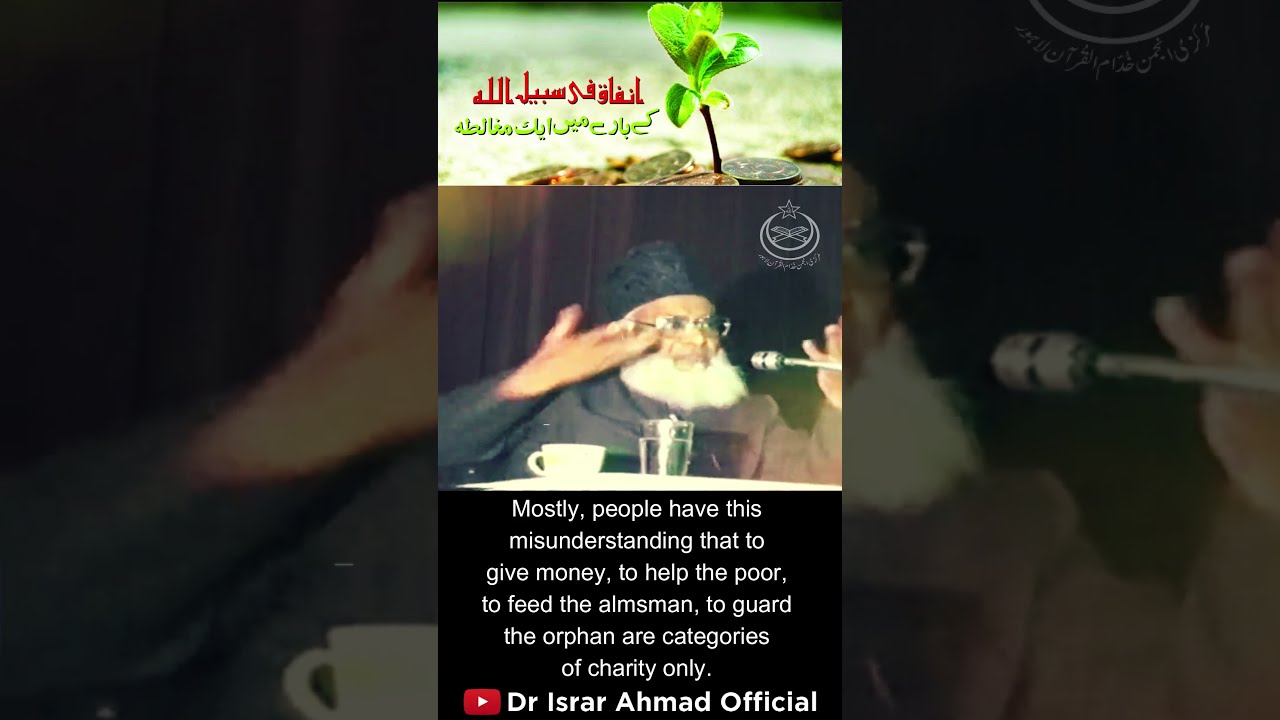
The term ‘Infaq’ in the Quran differs from general charity. It’s not limited to helping the poor, orphans, or the needy. Infaq specifically refers to spending in the way of Allah – for the propagation, elevation, and establishment of the religion. This spending, considered a loan to Allah, fuels the struggle for Islam's dominance. Supporting relatives is a personal obligation, while investing in the religion is a direct loan to Allah, a debt He Himself acknowledges. This concept distinguishes between familial support and investment in faith.
84

This lecture emphasizes that the Quran is a gift from Allah, representing His grace and mercy. It is a source of guidance in this world and a promise of mercy in the hereafter. The speaker highlights its immeasurable value, surpassing all worldly possessions like wealth, property, and material comforts. The Quran provides true joy and fulfillment, exceeding the satisfaction derived from accumulating possessions or building luxurious homes. It is a treasure that should be cherished and celebrated.
67
The speaker emphasizes the importance of self-accountability and inviting others to righteousness. He argues that while avoiding criticism is acceptable in personal agreements, actively promoting good deeds opens one's character to scrutiny, which is ultimately beneficial. He suggests that actively engaging in *dawat* (inviting to the right path) necessitates a willingness to examine one's own conduct. Avoiding self-reflection and failing to address personal flaws creates a hypocrisy that will be noted by others. The speaker also highlights that mutual silence regarding wrongdoing, though convenient, does not foster genuine improvement.
55
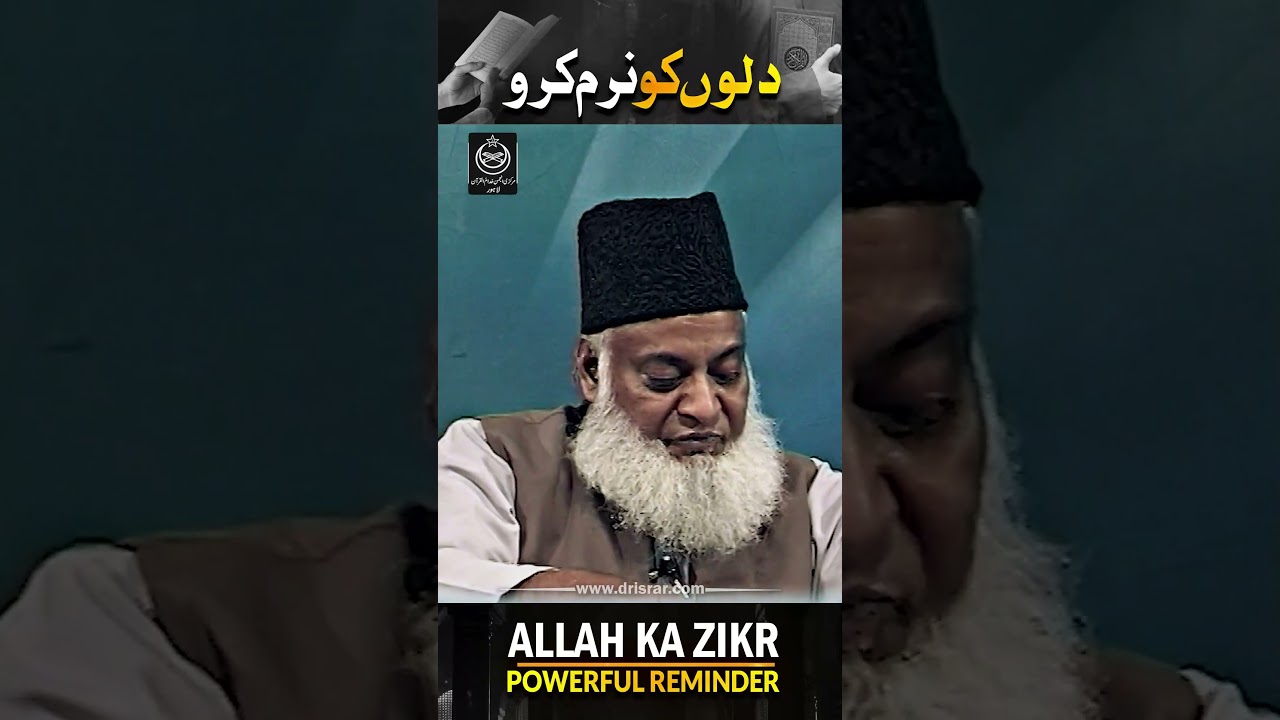
This lecture explores the spiritual state of having one’s heart opened by God for Islam, contrasting it with the darkness of spiritual hardness. It highlights that divine guidance illuminates the heart, providing inner understanding and a connection with God. Those who reject this guidance and whose hearts become hardened against remembrance of God face destruction and are clearly astray. The lecture emphasizes that a receptive heart is essential for faith and spiritual growth, while a hardened heart leads to misguidance and ultimate loss.
80
