Celana pendek
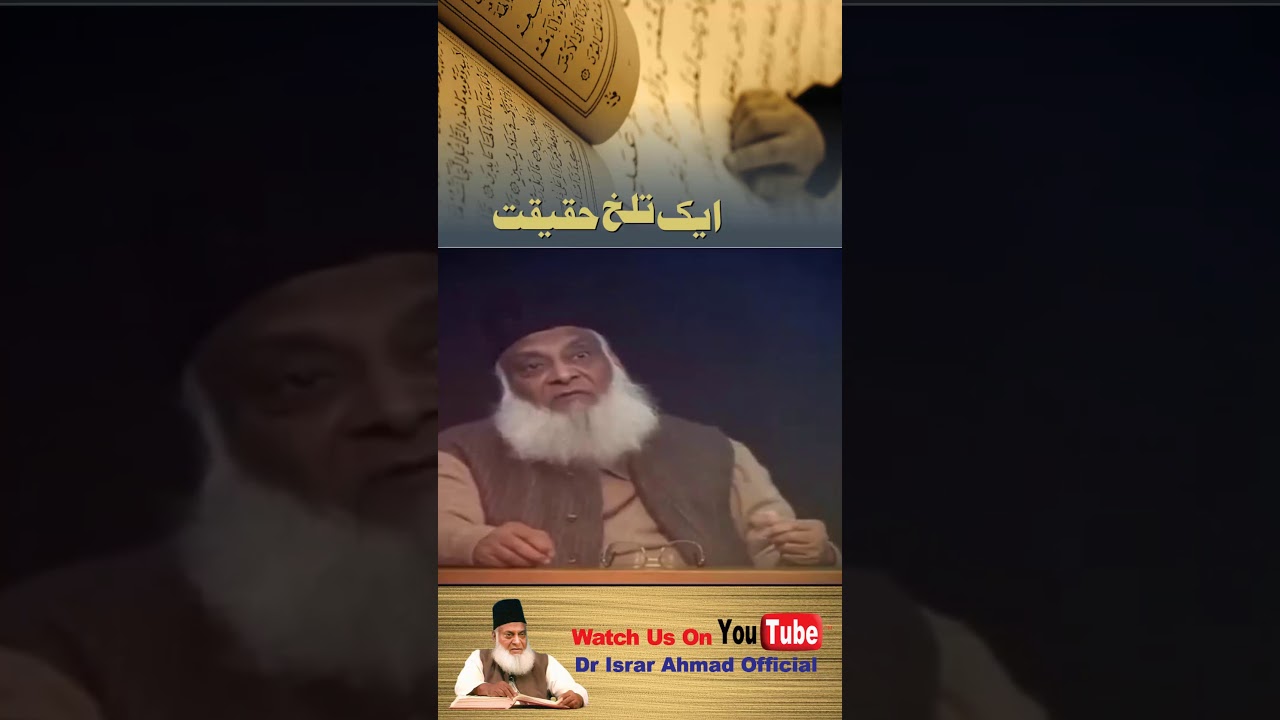
This lecture addresses the societal shift where religious practice has become a profession, particularly within certain communities. The speaker argues that Islam does not endorse professionalizing faith or creating hierarchies based on religious knowledge. He criticizes the practice of making religious scholars a closed class and highlights the irony that those who benefit from this system often criticize the scholars themselves. The core argument centers on the idea that Islam is a faith for all, not a vocation limited to a select few, and that the current system of professionalizing religion is a deviation from its original intent. He contrasts this with the historical practice where religious knowledge was freely accessible and emphasizes that making it a profession creates jealousy and division.

93
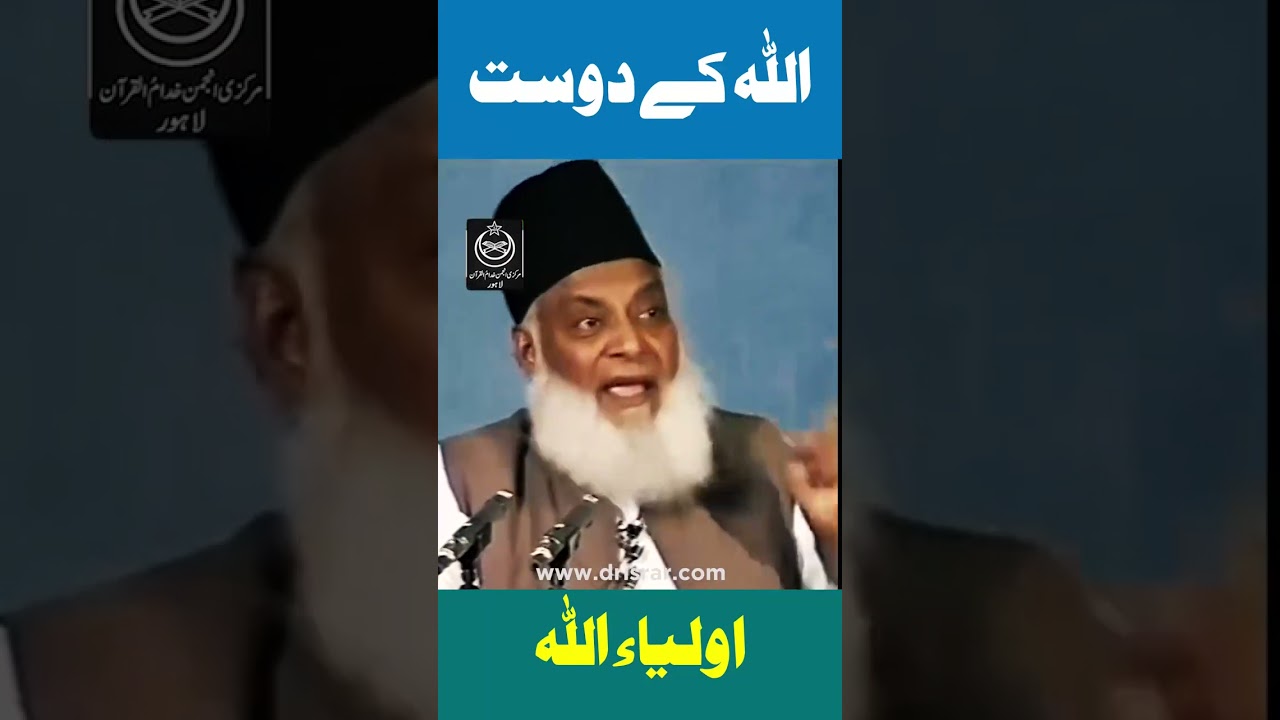
This lecture clarifies the dangers of associating guardianship (wilaayat) with anyone other than Allah. It explains that basing friendships on expectation of future favors and performing wrong deeds for a friend’s sake, based on the hope of reciprocal help, is a flawed concept. True guardianship belongs to Allah alone; attributing it to others constitutes shirk. The speaker emphasizes that relying on someone's weakness or need for assistance as a basis for a relationship creates a dependency that contradicts the true meaning of devotion to Allah.
47
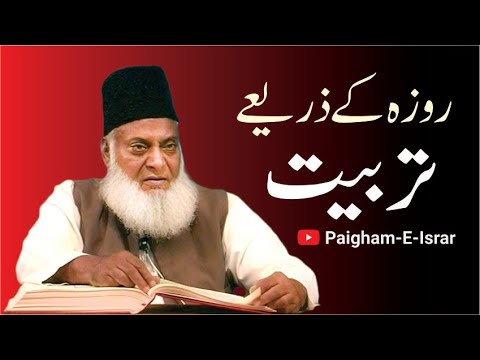
Human beings, like all animals, are driven by fundamental needs: sustenance and procreation. These base desires, originating from the *nafs* (ego/self), are inherently amoral, demanding satisfaction without regard for ethical considerations like *halal* (lawful) or *haram* (unlawful). The Quran emphasizes the need to control these primal urges. The human self is a source of both potential and temptation, requiring spiritual guidance and discipline to avoid succumbing to base instincts. This lecture explores the nature of these desires and the importance of self-control in Islam.
66
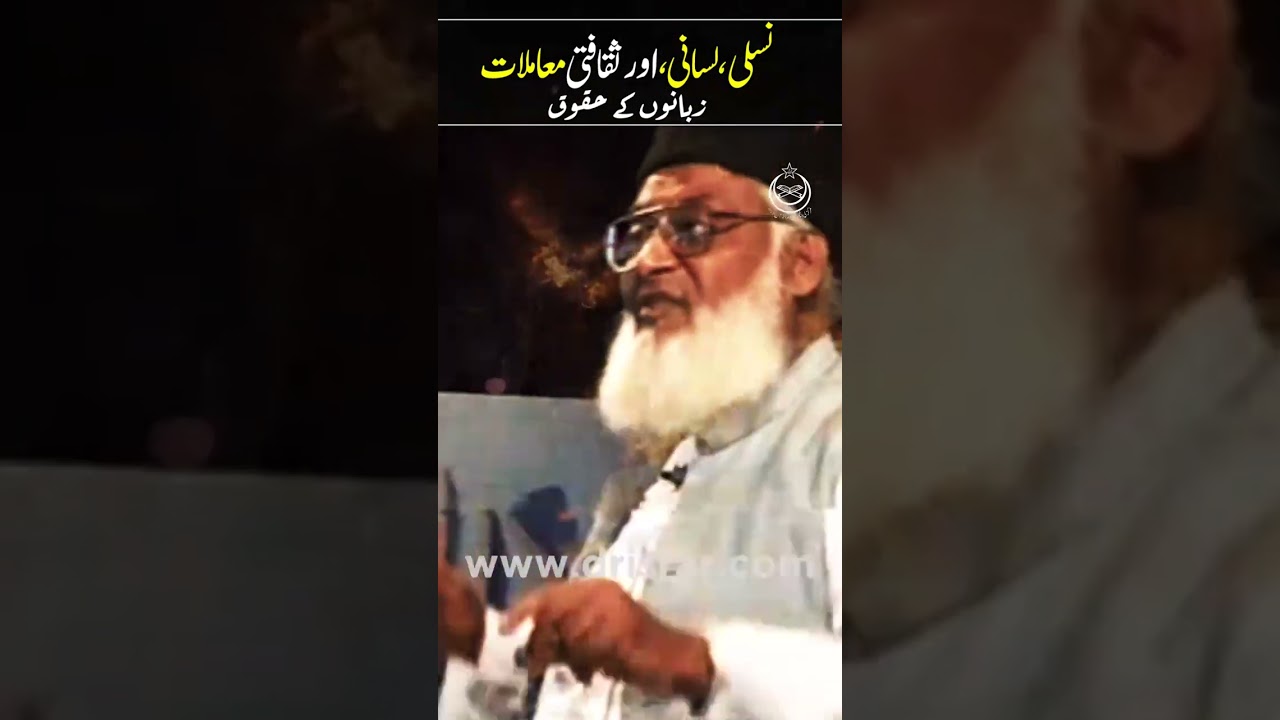
This lecture addresses the dangers of linguistic and cultural biases, clarifying that regional, ethnic, and linguistic identities are not inherently sinful. It emphasizes that every culture and language has a right to flourish, provided any elements conflicting with Islamic teachings are removed. The lecture highlights the unique status of the Arabic language not due to its speakers, but because it is the language of the Quran and the sayings of the Prophet Muhammad, making its study essential for direct understanding of religious texts. It cautions against exclusionary attitudes based on language or culture, likening such behavior to a useless tool.
63
The lecture discusses the true meaning of *hijrat* (migration) as defined by the Prophet Muhammad (peace be upon him). It emphasizes that genuine migration isn't merely physical relocation, but abandoning everything displeasing to God. This includes renouncing interest-based transactions, making firm decisions to adhere to righteous conduct, prioritizing modesty and honor within the home, and consistently striving for moral and spiritual purification. The speaker underscores the importance of immediate action and resolute commitment to these principles as the essence of true migration.
89
Dr. Israr Ahmad discusses the remarkable correspondence between the Quran and modern scientific discoveries, specifically in the field of embryology. He recounts the story of a French surgeon, Maurice Bucaille, who, after being treated by King Faisal of Saudi Arabia, was presented with the Quran. Bucaille learned Arabic, studied the Quran, and ultimately wrote a book confirming that no scientific fact within the Quran had been proven false. He acknowledged that science may not yet have fully understood all of the Quran’s truths, but that no established scientific principle contradicts its teachings.
47
