السراويل القصيرة
This lecture addresses the societal shift where religious practice has become a profession, particularly within certain communities. The speaker argues that Islam does not endorse professionalizing faith or creating hierarchies based on religious knowledge. He criticizes the practice of making religious scholars a closed class and highlights the irony that those who benefit from this system often criticize the scholars themselves. The core argument centers on the idea that Islam is a faith for all, not a vocation limited to a select few, and that the current system of professionalizing religion is a deviation from its original intent. He contrasts this with the historical practice where religious knowledge was freely accessible and emphasizes that making it a profession creates jealousy and division.

93
The lecture clarifies that the blessings of Laylat-ul-Qadr (the Night of Power) are not limited to the night itself, but extend to the following day. The Quranic use of terms like ‘yom’ (day) and ‘layl’ (night) encompasses the full 24-hour cycle. This means the entire day following Laylat-ul-Qadr shares in its spiritual significance. This resolves a potential issue regarding time zones; the blessings are universally available regardless of geographical location, ensuring no part of the Earth is excluded from this divine blessing. The lecture emphasizes the Quran’s comprehensive nature, leaving no aspect untouched by divine grace.
79
The core purpose of fasting is to turn towards God and engage in heartfelt supplication. This spiritual journey allows the human soul to ascend towards its origin. Throughout history, people have sought this connection through various practices, like seclusion and asceticism, driven by a deep longing for the Divine. The essence of this pursuit is a quest for God, a desire to find Him within oneself.
55
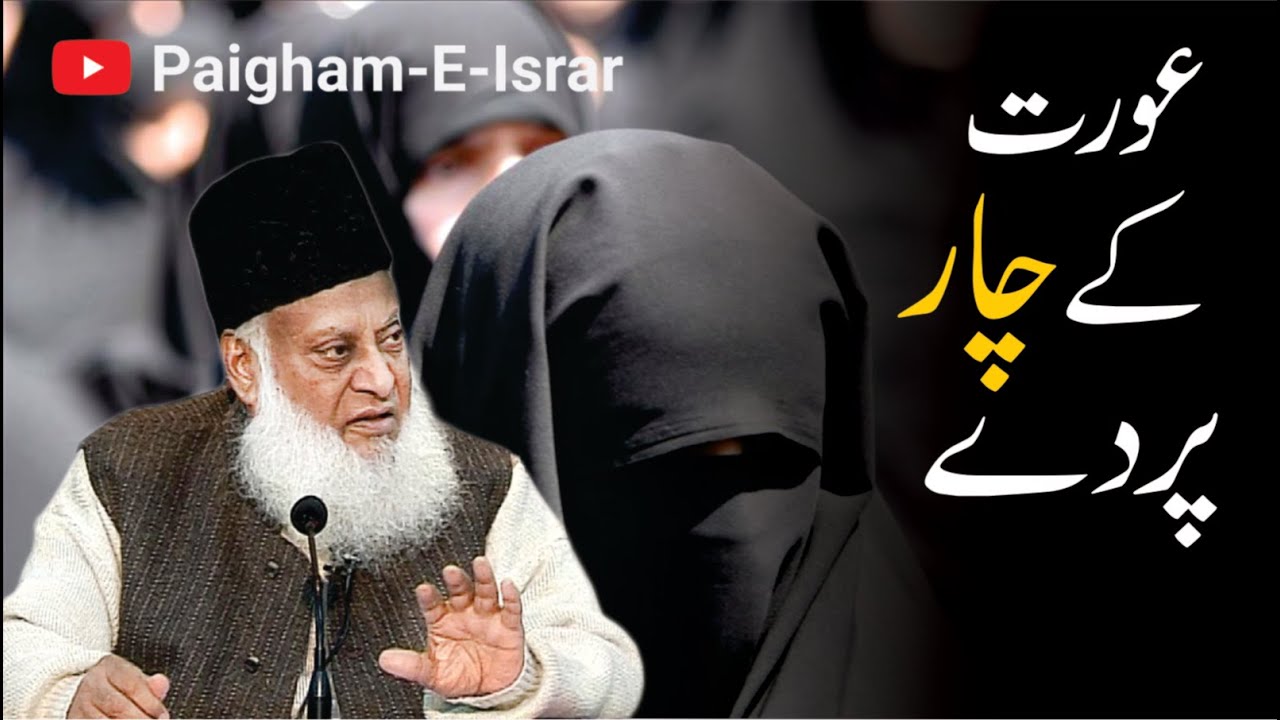
This lecture details the four levels of modesty (pardah) prescribed in Islam. The first level involves segregation of genders in social settings. The second concerns appropriate attire when leaving the home, evolving from the jilbab to the burqa for increased ease and protection. The third level restricts access to the home to only close male relatives (mahram). Finally, the fourth level mandates covering the entire body even before mahram relatives, leaving only the face, hands, and feet exposed. The speaker emphasizes that these principles are being eroded in modern times, representing a deliberate attack on Islamic teachings.
65
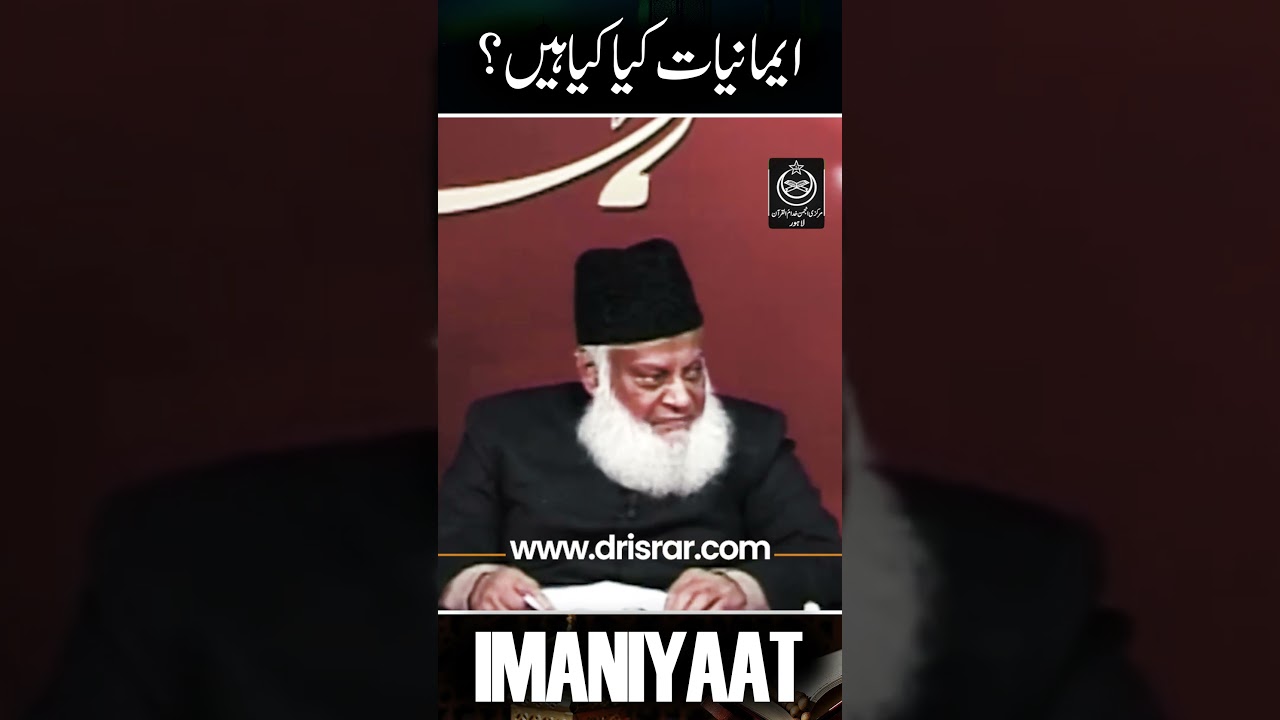
This lecture details the fundamental beliefs of Islam, categorized into three main areas: faith in Allah (Tawhid), faith in the Hereafter (Akhirah), and faith in the Day of Judgment and life after death. It explains core tenets like belief in Allah, angels, divine books, prophets, the finality of prophethood, the Quran as the final revelation, life after death, Paradise, Hell, accountability, and divine decree. These beliefs are metaphysical and transcend the realm of sensory experience, forming the foundation of a Muslim’s worldview and guiding principles.
56
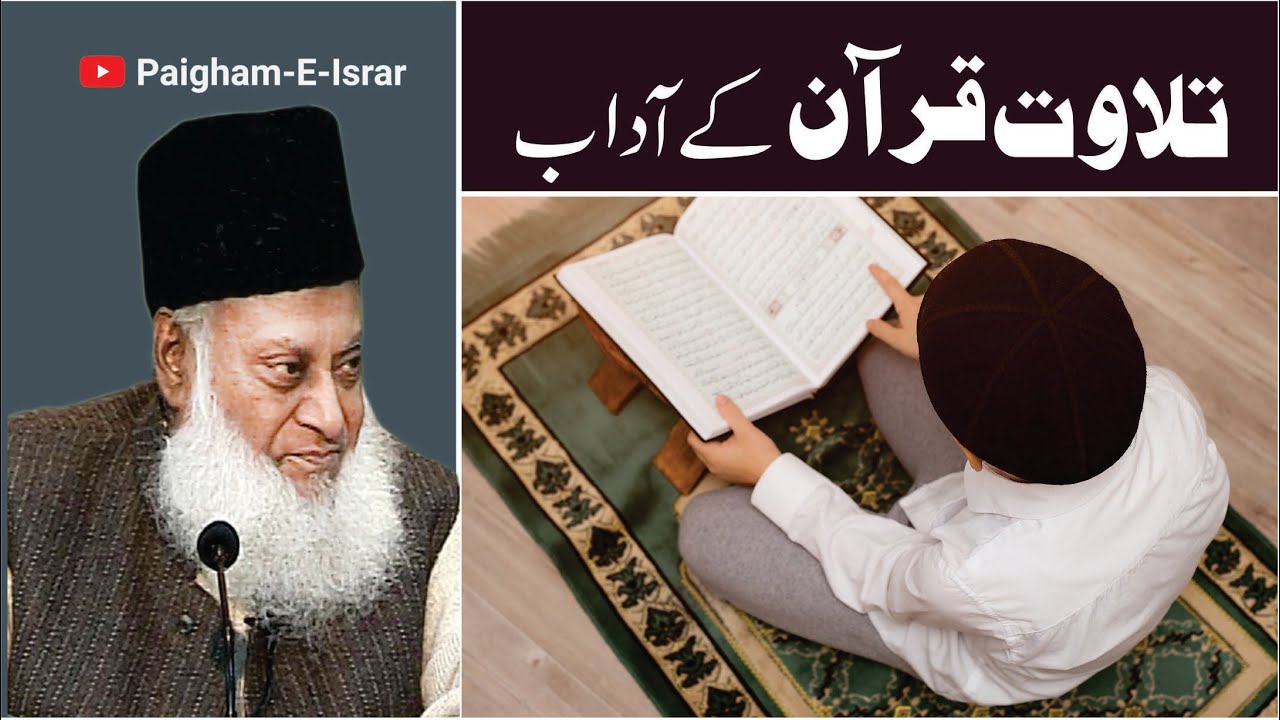
Dr. Israr Ahmad discusses the proper method of Quran recitation, emphasizing the importance of correct pronunciation (tajweed), understanding the meaning, and avoiding superficial artistic displays. He contrasts true Quranic recitation with competitive performances, highlighting that the Quran should enter the heart, not just be a vocal exercise. He warns against reciting Quran while engaging in sinful activities, and stresses that a sincere connection with the Quran strengthens faith and resilience. He also clarifies the difference between *tilawat* (recitation) and *tartil* (rhythmic, meaningful recitation). He cautions against relying solely on eloquent recitation without comprehension, and advocates for learning from qualified teachers to ensure accurate pronunciation and understanding.
123
