Corti
This lecture discusses the proper timing for ending the daily fast (iftar) according to different Islamic schools of thought. It clarifies the disagreement between Shia and Sunni perspectives, with Shia scholars advocating for waiting until complete darkness and Sunni scholars linking it to sunset. The discussion extends to the importance of avoiding extremes – neither rushing the pre-dawn meal (sehri) nor excessively delaying iftar. It emphasizes adhering to established timings and completing the fast correctly, without unnecessary hardship or innovation. The lecture stresses the need for practical application of religious principles and cautions against unnecessary complications in observing religious rituals.

83

The Quran repeatedly emphasizes the core message delivered by prophets including Noah, Hud, Saleh, Lot, Shu'aib, Abraham, Moses, and Jesus: the singular worship of God. This lecture highlights that the fundamental purpose of humanity's creation, as stated in Surah Az-Zariyat, is to worship God. The prophets’ call consistently centers on the necessity of submitting to God’s will and recognizing His absolute sovereignty. The creation of both jinn and humankind was solely for the purpose of worship. This underscores a unified message throughout divine scripture: devotion to the one true God is the ultimate purpose of life.
73
This lecture details the severe consequences of earning through unlawful means, emphasizing that interest (riba) is strictly forbidden in Islam. The speaker explains that persistent engagement in such practices leads to divine wrath and ultimately, eternal punishment in hellfire. The lecture highlights that even a single, sustained sin can envelop a person, leading to irreversible spiritual damage. It serves as a stark warning against making unlawful earning a regular part of one's life and encourages seeking halal (lawful) sources of income.
104
The term ‘Infaq’ in the Quran differs from general charity. It’s not limited to helping the poor, orphans, or the needy. Infaq specifically refers to spending in the way of Allah – for the propagation, elevation, and establishment of the religion. This spending, considered a loan to Allah, fuels the struggle for Islam's dominance. Supporting relatives is a personal obligation, while investing in the religion is a direct loan to Allah, a debt He Himself acknowledges. This concept distinguishes between familial support and investment in faith.
95
This lecture emphasizes the constant remembrance of Allah in all aspects of life. It highlights the importance of incorporating supplications (du'a) into daily routines – upon entering and exiting homes, markets, and even restrooms – without disrupting one's activities. The core message is maintaining a continuous connection with Allah through these acts of devotion. The speaker further emphasizes the significance of reciting the Quran and offering prayers as the greatest forms of remembrance. This constant connection, the lecture argues, is the essence of a believer’s life.
68
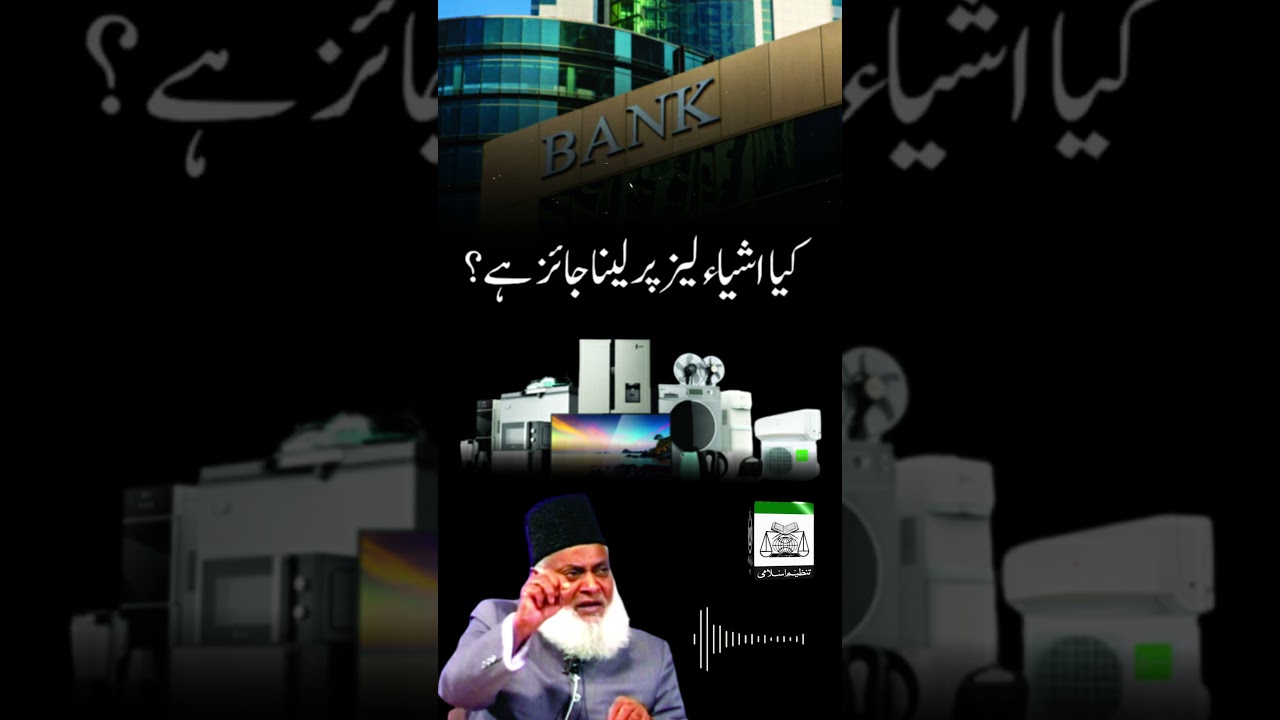
The speaker clarifies the distinction between legitimate leasing (ijara) and purchases financed through interest (riba). Leasing involves renting an asset for a specified period, with the renter paying a monthly fee and covering operational costs. In contrast, an interest-based purchase involves financing the full price of an asset over time, accruing interest on the outstanding amount. The speaker emphasizes that financing a purchase with interest, even if labeled differently, constitutes riba and is prohibited. Legitimate leasing does not involve any form of interest or profit on the asset itself, only a rental fee for its use. The discussion highlights that changing the label of an interest-based transaction does not alter its fundamentally prohibited nature.
71
