Corti
Human life is marked by trials and tribulations, but these are temporary. Every individual will ultimately stand before their Lord and be held accountable for their actions. This lecture emphasizes the inevitability of judgment and the intense anxiety experienced even by the most righteous individuals, like Abu Bakr Siddiq, regarding this accountability. He expressed a desire to be free from this reckoning, wishing to be a bird or a blade of grass, exempt from divine assessment. The core message is a reminder of the Day of Judgment and the importance of preparing for it.

46
Dr. Israr Ahmad discusses the Prophet Muhammad’s (peace be upon him) remarkable humility and integration with his companions. He emphasizes the Prophet’s deliberate choice to present himself as an ordinary human being, eschewing any display of special status or privilege. The Prophet actively discouraged people from standing upon his arrival and mingled freely with his followers, sitting among them without distinction. This demonstrated a profound commitment to equality and accessibility, fostering a sense of unity and brotherhood among the early Muslim community. The speaker highlights that the Prophet’s approach was a conscious effort to remove barriers between himself and his companions, encouraging genuine connection and spiritual growth.
40
This lecture explores the perspective of M.N. Roy, a prominent communist revolutionary, on the historical significance of Islam. Roy, a key figure in the Comintern, recognized the revolution initiated by Muhammad as one of the greatest in human history. He detailed this view in his book, *The Historical Role of Islam*, acknowledging its profound impact on global events. Dr. Israr Ahmad analyzes Roy’s analysis and provides insightful commentary on the topic.
61
Hazrat Abu Bakr, may Allah be pleased with him, frequently expressed a profound anxiety about the Day of Judgement. He wished he could be a bird, free from accountability, or a blade of grass, consumed and finished. This sentiment echoes a verse in Surah Al-Imran where disbelievers express a wish to be dust rather than face judgement. The lecture highlights the tragic reality of human existence when disconnected from faith, emphasizing the immense responsibility and potential loss inherent in being human.
62

This lecture details the challenging events faced by the Prophet Muhammad (peace be upon him) during his visit to Taif. The incident at Taif proved more difficult than the Battle of Uhud due to the Prophet being alone with only Zaid ibn Harithah for protection. The people of Taif pelted the Prophet with stones, causing injury and humiliation. Zaid ibn Harithah bravely shielded the Prophet, sacrificing himself to protect him from the attack. This event highlights the Prophet’s resilience and the unwavering loyalty of his companions.
81
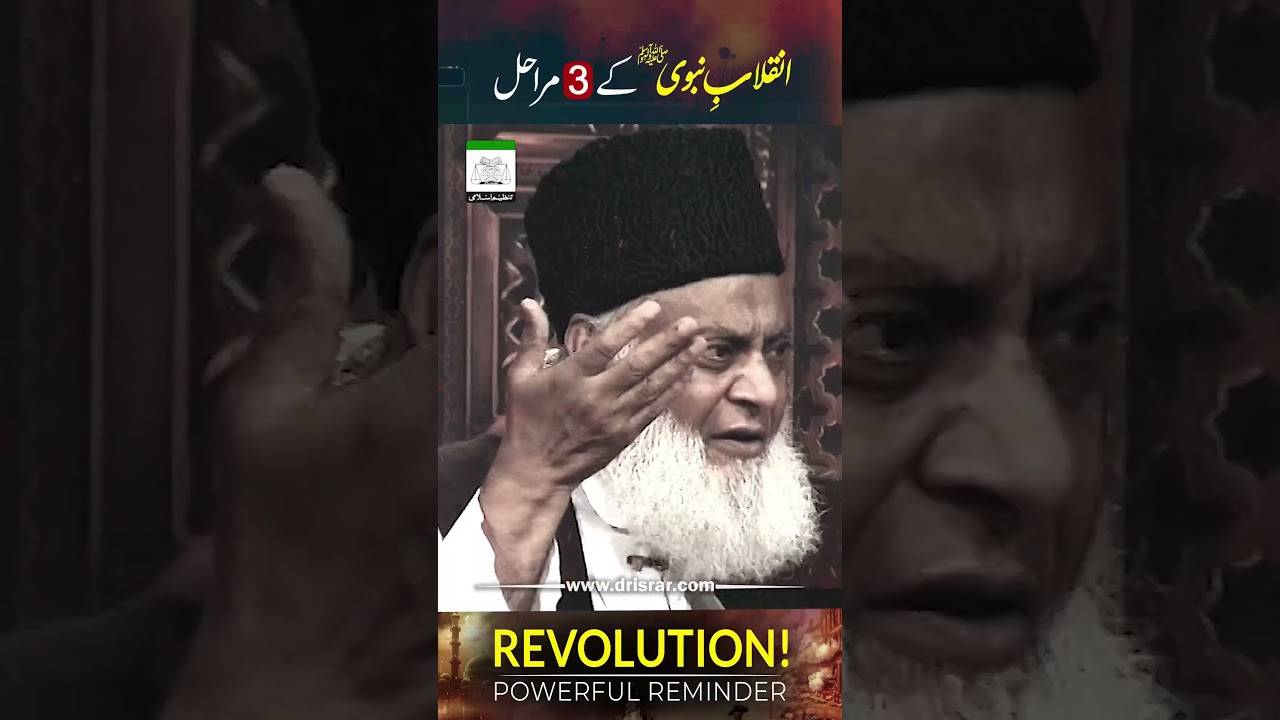
This lecture outlines a three-stage approach to societal change, emphasizing initial passive resistance and endurance of persecution. The speaker stresses avoiding violence until sufficient strength is attained, then advocates for active, non-violent challenges to the existing system. The final stage involves decisive action, guided by the example of the Prophet Muhammad. The core message is a progression from patient suffering to assertive, yet peaceful, resistance, culminating in transformative change.
32
