Kurze Hose
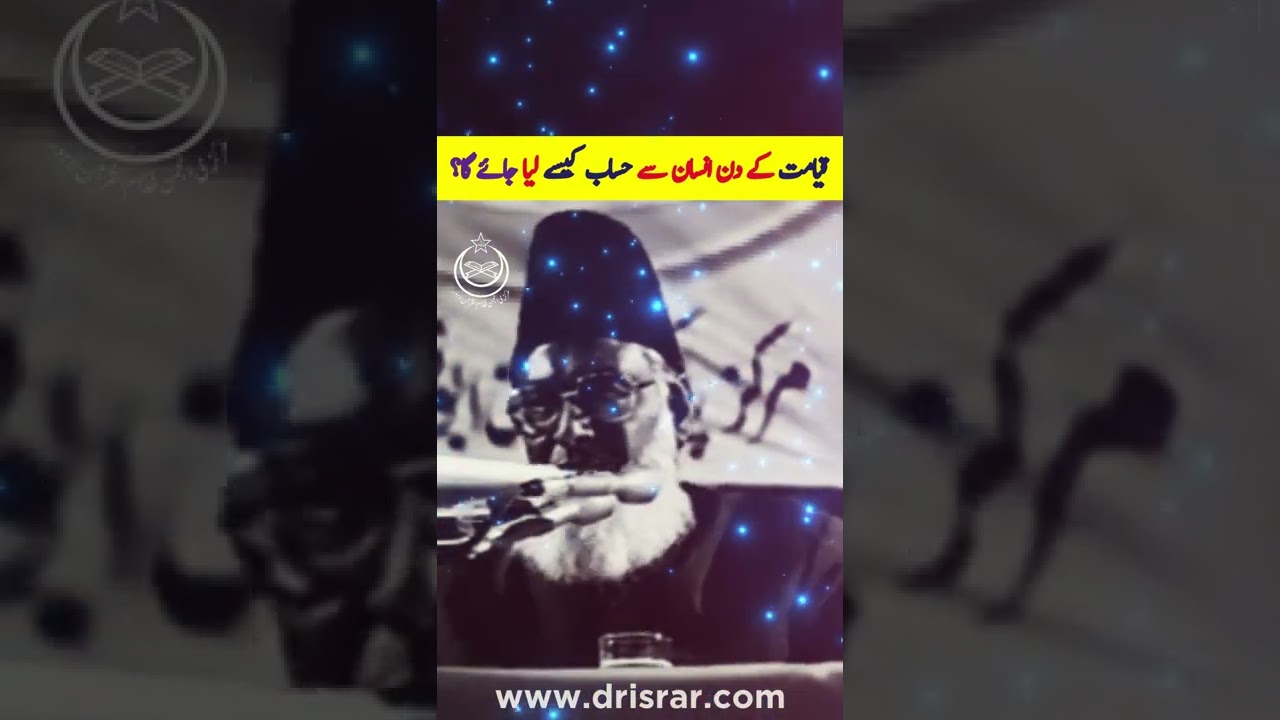
Human life is marked by trials and tribulations, but these are temporary. Every individual will ultimately stand before their Lord and be held accountable for their actions. This lecture emphasizes the inevitability of judgment and the intense anxiety experienced even by the most righteous individuals, like Abu Bakr Siddiq, regarding this accountability. He expressed a desire to be free from this reckoning, wishing to be a bird or a blade of grass, exempt from divine assessment. The core message is a reminder of the Day of Judgment and the importance of preparing for it.

46

Interest (riba) and illicit relationships are major sins in Islam, both considered haram (forbidden). This lecture details the severity of riba, framing it as a declaration of war by God. The speaker emphasizes that even the smallest involvement in riba is comparable to a grave sin. The discussion highlights the comprehensive nature of Islamic law, which demands adherence to the Quran and the teachings of the Prophet Muhammad.
76

This lecture discusses the acceptance of repentance (tawbah) in extreme circumstances, such as terminal illness or imminent death. It clarifies that the door of repentance remains open until the final moments of life, but genuine repentance requires sincere, heartfelt emotion, not merely ritualistic recitation. The speaker emphasizes that denying someone the opportunity for repentance is inappropriate, as the Prophet Muhammad (peace be upon him) indicated its availability until death. The discussion also touches on the consequence of entering a state of unconsciousness, suggesting it may preclude the opportunity for repentance.
59

This lecture explores the concept of self-awareness and its connection to recognizing the Divine. It emphasizes that true identity lies beyond superficial characteristics and material possessions. The speaker explains that neglecting self-knowledge leads to spiritual forgetfulness and a loss of one’s true potential. Recognizing one’s inner self is presented as the key to knowing God. The discussion underscores the importance of not becoming like those who have forgotten God and, consequently, lost themselves.
78

This video recounts an incident where Hazrat Ali’s armor was stolen and recovered from a Jewish man. Hazrat Ali, despite being the Caliph, appeared before the judge as a plaintiff. He corrected the judge for addressing him by his kunya (nickname) instead of his name, emphasizing that he was present as an ordinary litigant seeking justice, not as a figure of honor. When the Jewish man failed to produce valid witnesses beyond his son and slave, Hazrat Ali requested other witnesses. Upon failing to do so, the case was dismissed, leading the Jewish man to confess the theft. This highlights Hazrat Ali's commitment to justice and fairness, even when personally involved.
49

This lecture details the Prophet Muhammad’s (peace be upon him) exceptional character, particularly his modesty and self-reliance. The narrative recounts how the Prophet never asked anyone for personal favors, even during the challenging time of migration to Medina. It highlights his foresight in preparing for the journey with the help of Hazrat Abu Bakr, ensuring swift transportation. The account further illustrates the Prophet’s humility, demonstrated by his willingness to perform even the simplest tasks himself, refusing to ask others for assistance. The lecture concludes with a powerful affirmation of support from his companions, declaring themselves ‘Ansarullah’ – helpers of God.
63
