מִכְנָסַיִים קְצָרִים

Human life is marked by trials and tribulations, but these are temporary. Every individual will ultimately stand before their Lord and be held accountable for their actions. This lecture emphasizes the inevitability of judgment and the intense anxiety experienced even by the most righteous individuals, like Abu Bakr Siddiq, regarding this accountability. He expressed a desire to be free from this reckoning, wishing to be a bird or a blade of grass, exempt from divine assessment. The core message is a reminder of the Day of Judgment and the importance of preparing for it.

46
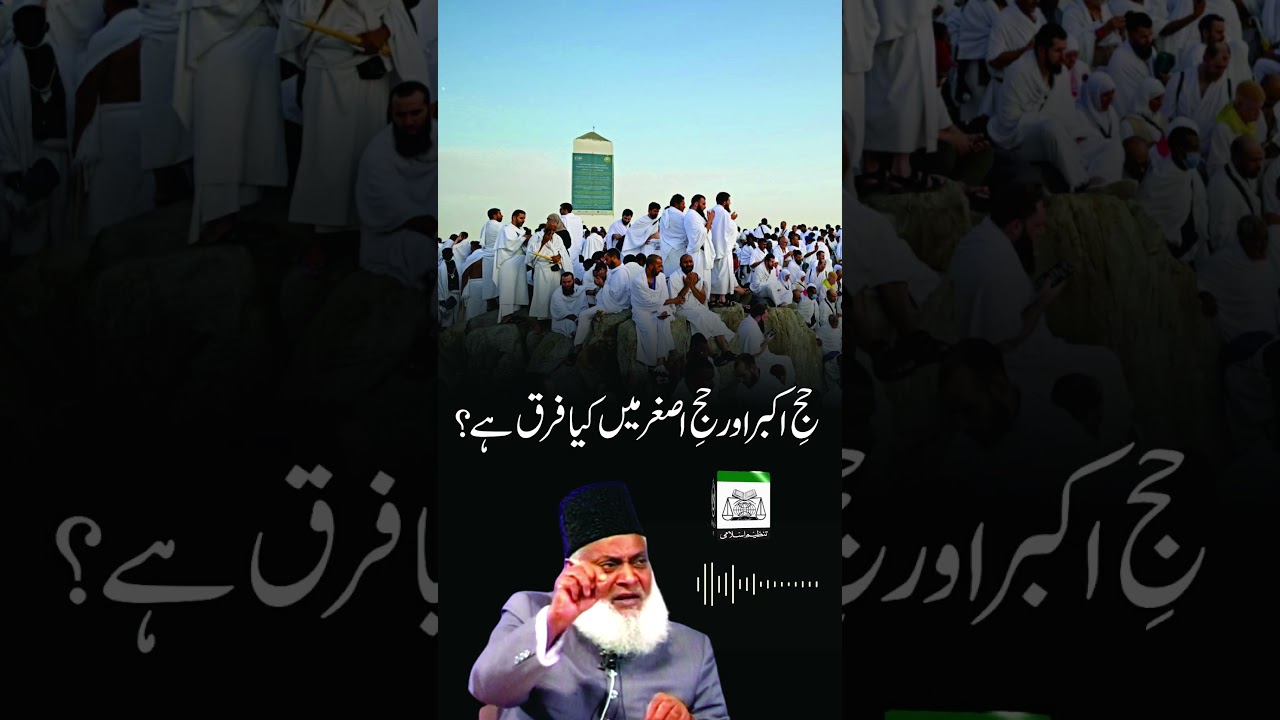
The common misconception that performing Hajj on a Friday is ‘Hajj Akbar’ is inaccurate. Originally, Arabs designated ‘Hajj Asghar’ for Umrah and ‘Hajj Akbar’ for the complete Hajj pilgrimage. The core meaning of ‘Hajj’ is intentional travel or journeying. Therefore, traveling for Umrah also constituted a ‘Hajj,’ albeit a lesser one. The Hajj performed during the designated days in Mecca is considered ‘Hajj Akbar.’ There is no additional merit to performing Hajj specifically on a Friday.
99
This lecture elucidates the severe consequences of animosity towards a pious individual, or *Wali Allah*. It emphasizes that hostility towards a friend of God is equivalent to declaring war against God Himself. The discussion highlights that true spiritual pain arises from causing hurt to those with sensitive hearts, and that hurting a *Wali Allah* brings shame and disgrace upon an entire community. The lecture stresses that genuine love for God is reflected in compassion and care for His devoted servants, and that inflicting pain on them invites divine retribution. The core message is that harming those close to God brings about spiritual and communal ruin.
52

This lecture clarifies the true meaning of righteousness (nichat) in Islam. It emphasizes that outward displays of devotion, like facing east and west, are insufficient. Genuine righteousness stems from sincere faith in God, the Day of Judgment, angels, scriptures, and the prophets. The Quran defines this inner faith and commitment as the core of true piety and virtue.
50

A recent gathering of Islamic movement leaders in London assessed global regions for the potential revival of Islam and the establishment of an Islamic system. The consensus identified Pakistan as the sole viable country for this purpose, possessing the inherent capabilities, resources, and challenges necessary for this undertaking. The lecture emphasizes Pakistan’s unique position and potential in the context of global Islamic resurgence.
237

The observance of fasting on the 9th and 10th of Muharram is a recommended practice, not obligatory. This practice originated from a desire to distinguish Muslims from the Jewish community of Medina, who fasted on the 10th of Muharram commemorating their liberation from Pharaoh. The Prophet Muhammad, acknowledging a greater connection to Moses, instructed his companions to fast for two days – the 9th and 10th – to differentiate their practice. This was before the obligatory fast of Ramadan was established. The fast serves as a voluntary act of worship with historical and communal significance.
70
