מִכְנָסַיִים קְצָרִים
Human life is marked by trials and tribulations, but these are temporary. Every individual will ultimately stand before their Lord and be held accountable for their actions. This lecture emphasizes the inevitability of judgment and the intense anxiety experienced even by the most righteous individuals, like Abu Bakr Siddiq, regarding this accountability. He expressed a desire to be free from this reckoning, wishing to be a bird or a blade of grass, exempt from divine assessment. The core message is a reminder of the Day of Judgment and the importance of preparing for it.

46
Historically, exploitative systems thrived where rulers demanded half of the agricultural yield from laborers, funding lavish lifestyles and standing armies to suppress dissent. This system, characterized by forced charity and religious manipulation, contrasted sharply with the Islamic concept of Zakat, intended for the welfare of the poor, not the enrichment of rulers. The lecture details how Islam eradicated this exploitative feudalism, replacing it with a system prioritizing social justice and equitable distribution of wealth.
52

This lecture clarifies the purpose of fasting during Ramadan, emphasizing Allah’s desire for ease, not hardship. It addresses a rigid interpretation of religious obligations, specifically concerning fasting while traveling or during illness. The speaker explains that imposing unnecessary strictness upon oneself contradicts the spirit of Islam, which aims to alleviate burdens. True piety lies in understanding the intent behind religious practices and prioritizing ease and accessibility, mirroring the Prophet’s teachings to create facilitation, not difficulty. The lecture cautions against extremism and encourages a balanced approach to faith, focusing on the core principles of Islam rather than superficial adherence to rituals.
70
This lecture discusses the diminishing spiritual impact of rituals like mourning ceremonies, prayer, fasting, sacrifice, and pilgrimage. It argues that mere performance of these acts, without genuine inner transformation, yields no societal benefit. The speaker contends that individuals often return from these practices unchanged, even emboldened to sin, perceiving them as a license for future transgressions. True spiritual benefit requires a profound personal change, not simply the outward completion of religious duties. The speaker emphasizes the lack of positive impact on society despite large numbers participating in religious observances.
42
This lecture explains that Allah hears and responds to every sincere call and prayer, regardless of location or circumstance. It clarifies that proximity to sacred places like the Haram or Arafat doesn't create a greater connection with Allah; He is always near. The speaker refutes the notion that one cannot directly communicate with Allah, emphasizing that such beliefs stem from polytheistic ideologies. Allah is ever-present and accessible to those who turn to Him sincerely. The lecture stresses that Allah is not distant but close to those who call upon Him and that true connection comes through sincerity, not location.
59
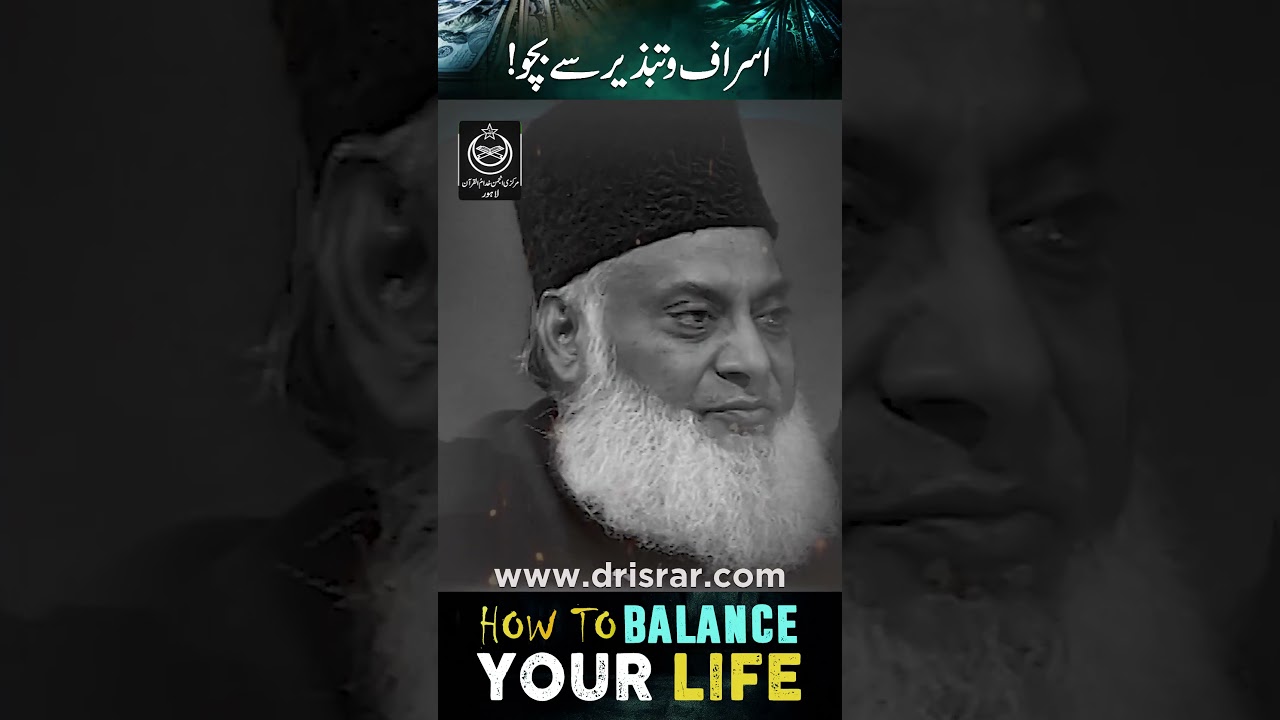
Extravagance is a grave sin, defined as spending beyond necessity. Basic needs like food and clothing are sufficient; excessive consumption is wasteful. The text condemns the lavish spending on weddings and displays of wealth motivated by vanity. It draws a parallel between those who squander their resources and the companions of Satan, emphasizing that wasteful spending is a characteristic of those who stray from righteous conduct. The core message is to avoid extravagance and prioritize responsible use of wealth.
64
