شارٹس
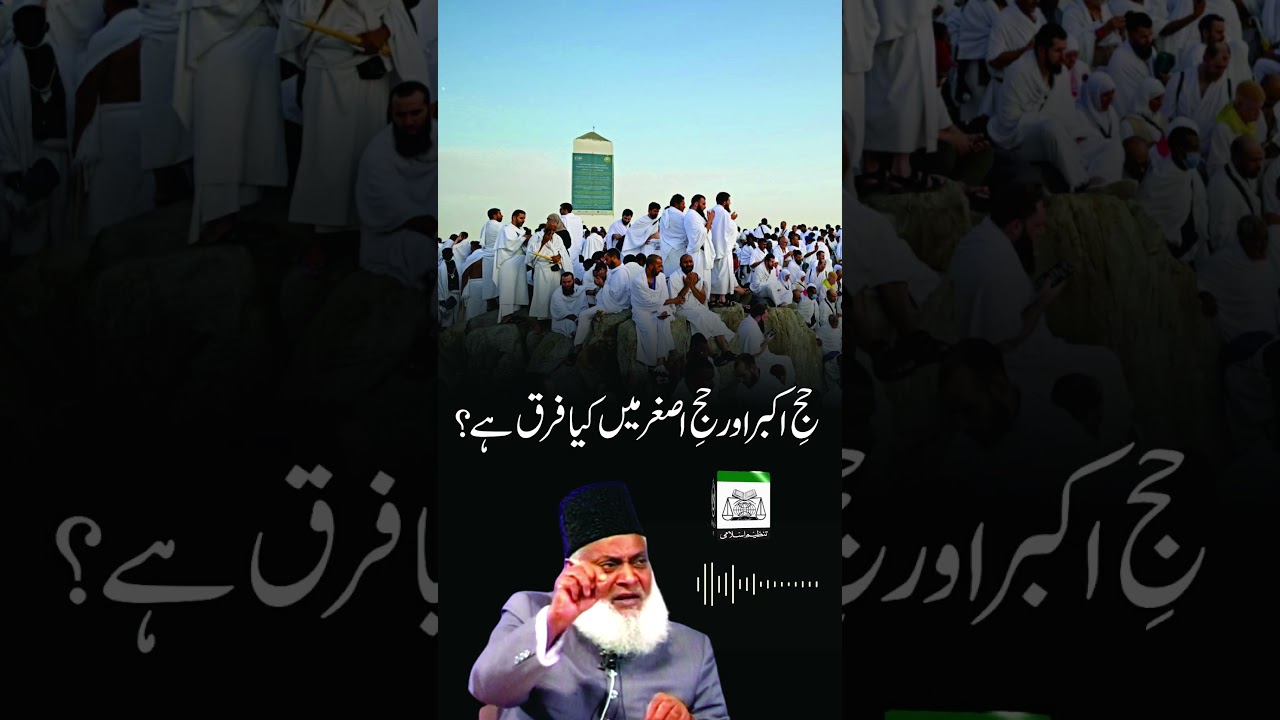
The common misconception that performing Hajj on a Friday is ‘Hajj Akbar’ is inaccurate. Originally, Arabs designated ‘Hajj Asghar’ for Umrah and ‘Hajj Akbar’ for the complete Hajj pilgrimage. The core meaning of ‘Hajj’ is intentional travel or journeying. Therefore, traveling for Umrah also constituted a ‘Hajj,’ albeit a lesser one. The Hajj performed during the designated days in Mecca is considered ‘Hajj Akbar.’ There is no additional merit to performing Hajj specifically on a Friday.

115
True blessings lie not in possessions like health, wealth, or children, but in the guidance that accompanies them. Without divine direction, these are merely transient comforts. The greatest blessing is the Quran, the source of ultimate guidance and true well-being. Guidance transforms all aspects of life into genuine blessings, while its absence renders even apparent advantages meaningless. The essence of a fulfilling life rests on seeking and adhering to divine direction.
313
Human beings are inherently predisposed to recognizing Allah. The knowledge and love of Allah reside within the soul, obscured by layers of neglect. Individuals fail to delve into the depths of their own hearts to rediscover this innate connection. This lecture explores the inherent human capacity for divine recognition and the importance of introspective spiritual inquiry. It emphasizes that recognizing Allah is not an acquired skill, but a natural inclination veiled by worldly distractions. The core message is a call to self-reflection and a return to the inherent spiritual awareness within each individual.
145
This lecture addresses why prayers often go unanswered. It asserts that simply performing religious rituals like Hajj and reciting the Quran are insufficient. True connection with God requires practical implementation of divine teachings in one’s life and community. The speaker emphasizes establishing faith within oneself, in one’s home, and then uniting with others in a covenant to uphold those principles. This involves a commitment to living by the entirety of revealed scripture, encompassing both Quran and Hadith, and acting upon its guidance.
65
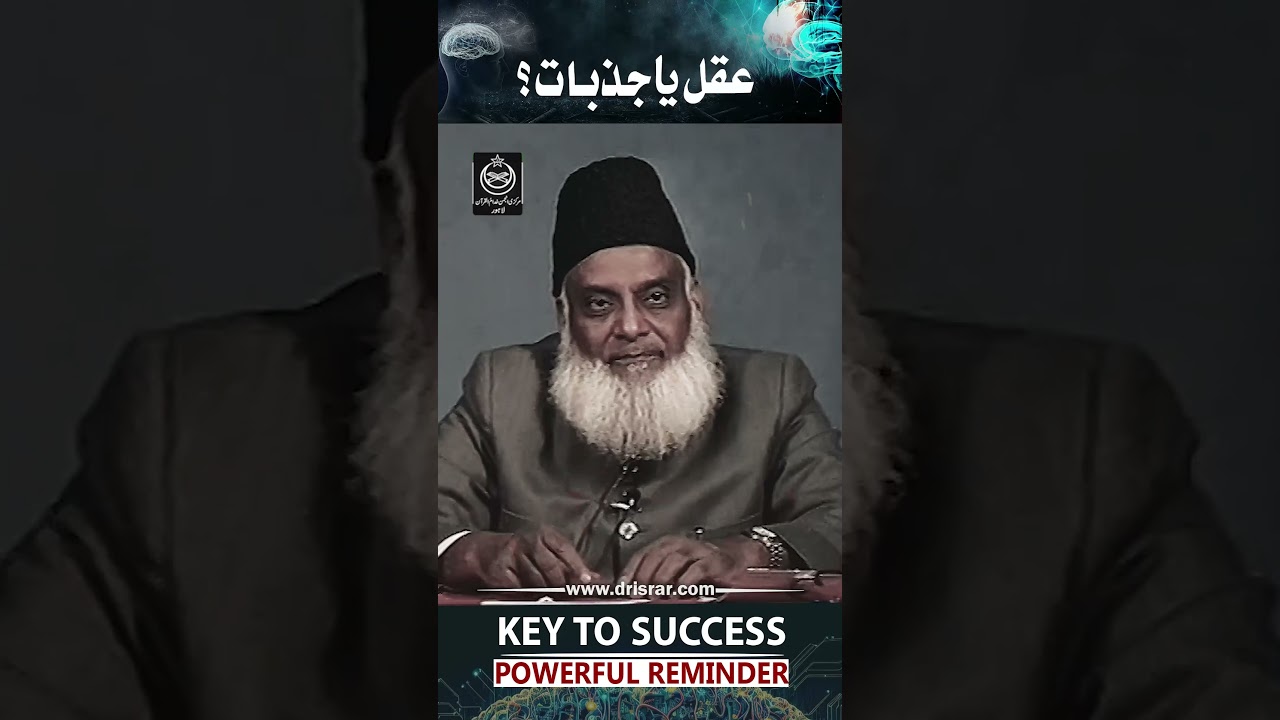
This lecture explores the conflict between intellect and passionate faith, using the story of Ibrahim and Nimrod as a central analogy. It argues that true devotion requires transcending rational self-preservation. The speaker emphasizes that while intellect provides guidance and direction, moments of profound commitment demand acting beyond logical calculation, fueled by unwavering belief. It highlights the importance of emotional conviction in propagating a message, even at personal risk, and asserts that intellectual analysis alone cannot drive transformative action. The lecture encourages listeners to move beyond purely rational thought when pursuing higher purposes, embracing the power of heartfelt conviction.
77

The concept of *shahadat* (witnessing) in Islam extends beyond martyrdom. It encompasses bearing witness to the Oneness of God, the Prophethood of Muhammad, and the truth of the Quran, both through verbal affirmation and practical conduct. This witnessing occurs on both individual and collective levels, demonstrated through one's character, actions, and adherence to a righteous life. True faith is proven not merely by professing belief, but by embodying it in every aspect of life, reflecting a sincere connection with God, the Prophet, and the divine message.
67
