Calção

The common misconception that performing Hajj on a Friday is ‘Hajj Akbar’ is inaccurate. Originally, Arabs designated ‘Hajj Asghar’ for Umrah and ‘Hajj Akbar’ for the complete Hajj pilgrimage. The core meaning of ‘Hajj’ is intentional travel or journeying. Therefore, traveling for Umrah also constituted a ‘Hajj,’ albeit a lesser one. The Hajj performed during the designated days in Mecca is considered ‘Hajj Akbar.’ There is no additional merit to performing Hajj specifically on a Friday.

115

The sermon details a severe warning against neglecting Friday prayers. Abandoning three consecutive Friday prayers without a legitimate excuse results in Allah sealing one’s heart—a punishment reserved for the worst disbelievers. This sealing signifies a spiritual death, rendering the individual incapable of accepting faith. The sermon emphasizes the paramount importance of consistently attending Friday prayers as a demonstration of devotion and submission to Allah.
84
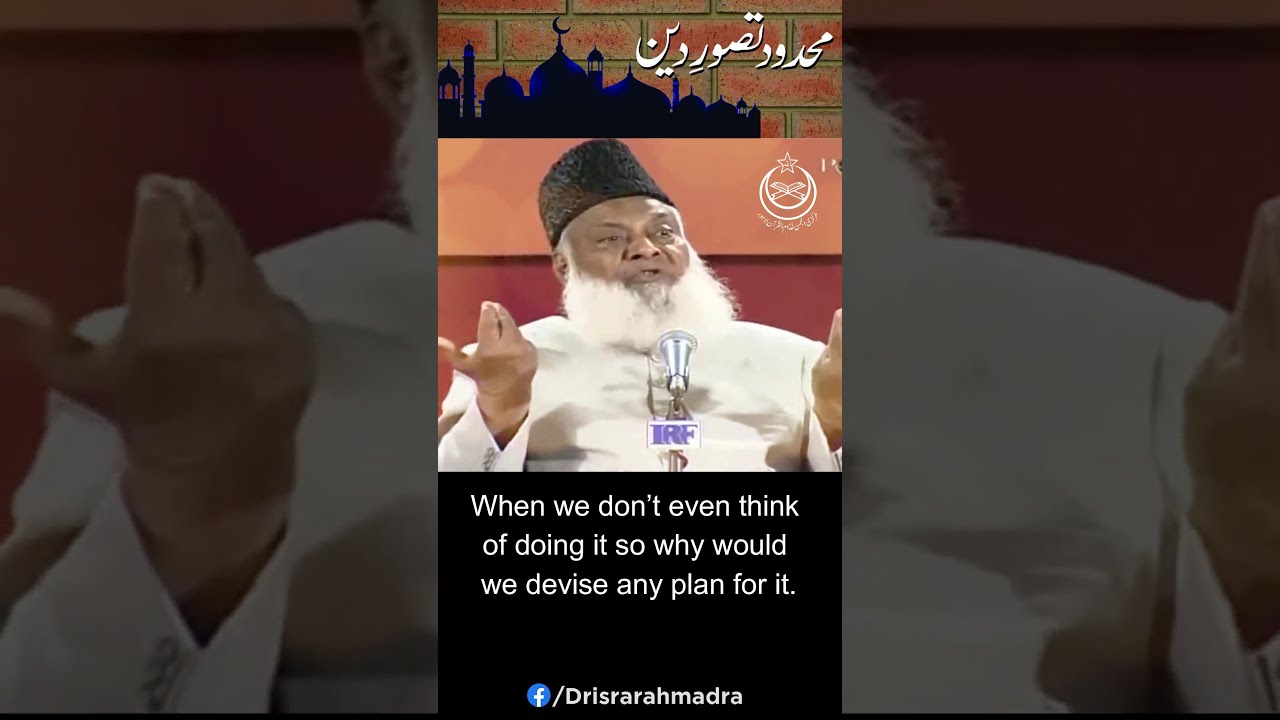
This lecture defines *Ankar-e-Munkarat* as opposition to systems of governance not based on divine law. It emphasizes that true commitment to faith requires active resistance – through action, speech, and internal conviction. The speaker argues that a collective, disciplined group is essential for meaningful change, something currently lacking in our approach to establishing divine law. The focus is often limited to personal piety or merely spreading the message, instead of striving for systemic transformation. Efforts should extend beyond individual good deeds and encompass a broader commitment to establishing justice and reforming societal structures.
79

This lecture explores the limits of human knowledge and emphasizes the absolute knowledge of Allah. It highlights that no soul knows what it will earn tomorrow or where it will die. The text illustrates this with the example of someone traveling and unexpectedly passing away, contrasting it with those who live for years in one place. It reinforces that Allah is the All-Knowing, the All-Aware, and that He alone possesses complete knowledge of the unseen and future events. The discussion centers on the concept that everything is within Allah’s knowledge, including what is in the wombs and the circumstances of death.
56

This lecture emphasizes the importance of actively listening to guidance and striving for the highest standards in faith. It contrasts a worldly acceptance of ‘good enough’ with the Islamic imperative to continually improve and pursue excellence ('ihsan'). The speaker highlights that faith is not static, progressing from Islam to Iman to Ihsan, and encourages listeners to adopt a mindset of continuous improvement in their spiritual journey. Accepting minimum requirements is discouraged; instead, a commitment to the best possible path is advocated.
74

This lecture emphasizes the importance of complete submission to God and consistently living in a state of obedience. It cautions against even a moment of disobedience, highlighting the unpredictability of death and urging constant vigilance. The speaker stresses that death can arrive at any moment, even during sinful acts, making continuous self-accountability and adherence to divine commands paramount. The message encourages a life lived with awareness of mortality and a commitment to unwavering obedience.
293
