Shorts
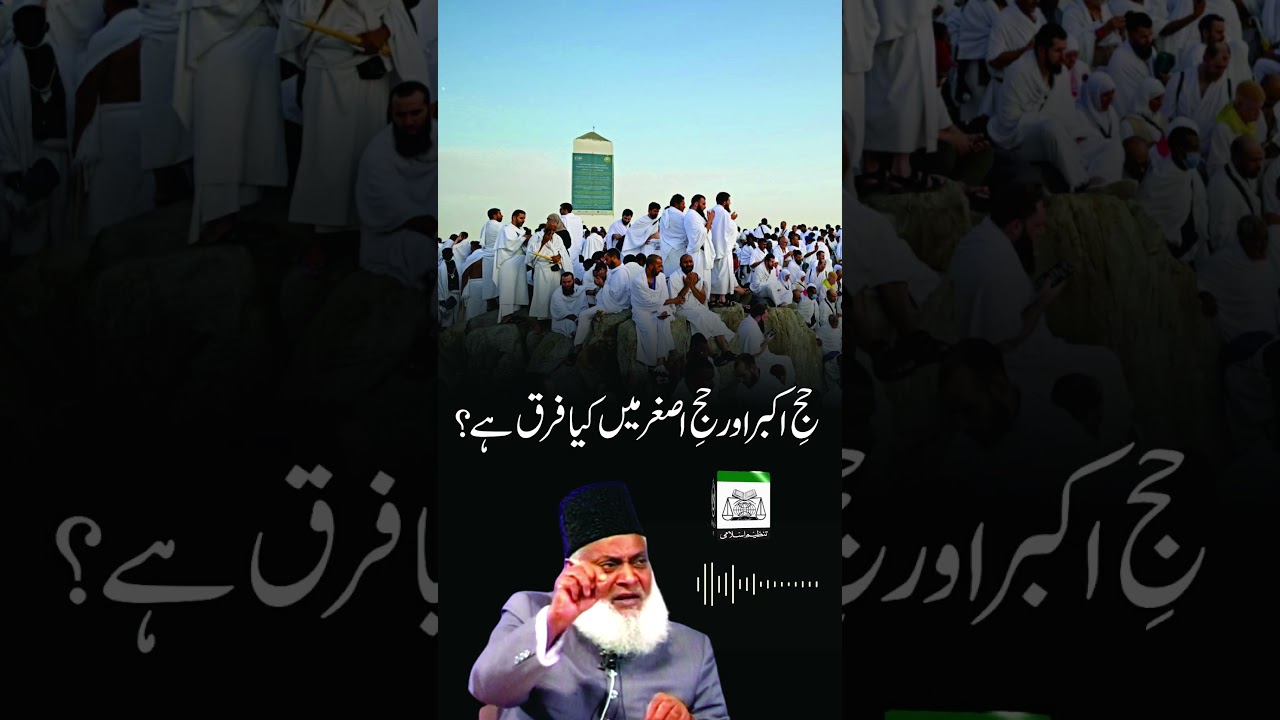
The common misconception that performing Hajj on a Friday is ‘Hajj Akbar’ is inaccurate. Originally, Arabs designated ‘Hajj Asghar’ for Umrah and ‘Hajj Akbar’ for the complete Hajj pilgrimage. The core meaning of ‘Hajj’ is intentional travel or journeying. Therefore, traveling for Umrah also constituted a ‘Hajj,’ albeit a lesser one. The Hajj performed during the designated days in Mecca is considered ‘Hajj Akbar.’ There is no additional merit to performing Hajj specifically on a Friday.

115
Dr. Israr Ahmad discusses the profound period Prophet Muhammad (peace be upon him) spent in the Cave of Hira. He highlights the intense contemplation and spiritual journey undertaken by the Prophet before receiving revelation. The lecture details the Prophet’s questioning of existing beliefs, his rejection of idolatry prevalent in his time, and his search for the true God. It emphasizes that this period of solitude and reflection was crucial in shaping his mission and preparing him for prophethood. The discussion also touches upon the Prophet's inherent inclination towards monotheism and his rejection of the worship practices of Jews and Christians.
100

This lecture discusses the significance of sacrificial animals in Islam, specifically during Hajj and Eid al-Adha. It explains that these animals represent symbols of devotion to God and foster a spiritual connection. The benefits derived from these animals, such as milk and other resources, are permissible, highlighting the inherent goodness and blessings within the act of sacrifice. The practice reinforces faith and strengthens the believer’s relationship with the Divine.
59
The loss of modesty (hayā) correlates directly with a decline in faith (īmān). This internal restraint, a natural human quality instilled by God, protects individuals from immoral acts. When this protective barrier is removed through sin, such as adultery, internal restrictions dissolve, leading to unrestrained behavior and a visible deterioration of character. The natural human quality of modesty is an integral part of faith; its absence reveals inner corruption, much like the discharge from a festering wound.
61
This lecture explores the speaker’s reflections on his life’s purpose and original objectives. He emphasizes a shift from viewing faith as merely a tool to embracing it as the ultimate goal. The speaker laments the fragmentation of the Muslim community and expresses a desire to rebuild unity, guiding people towards the destination set by God and the Prophet Muhammad. He highlights a longing to restore a cohesive community focused on divine guidance and shared purpose.
46
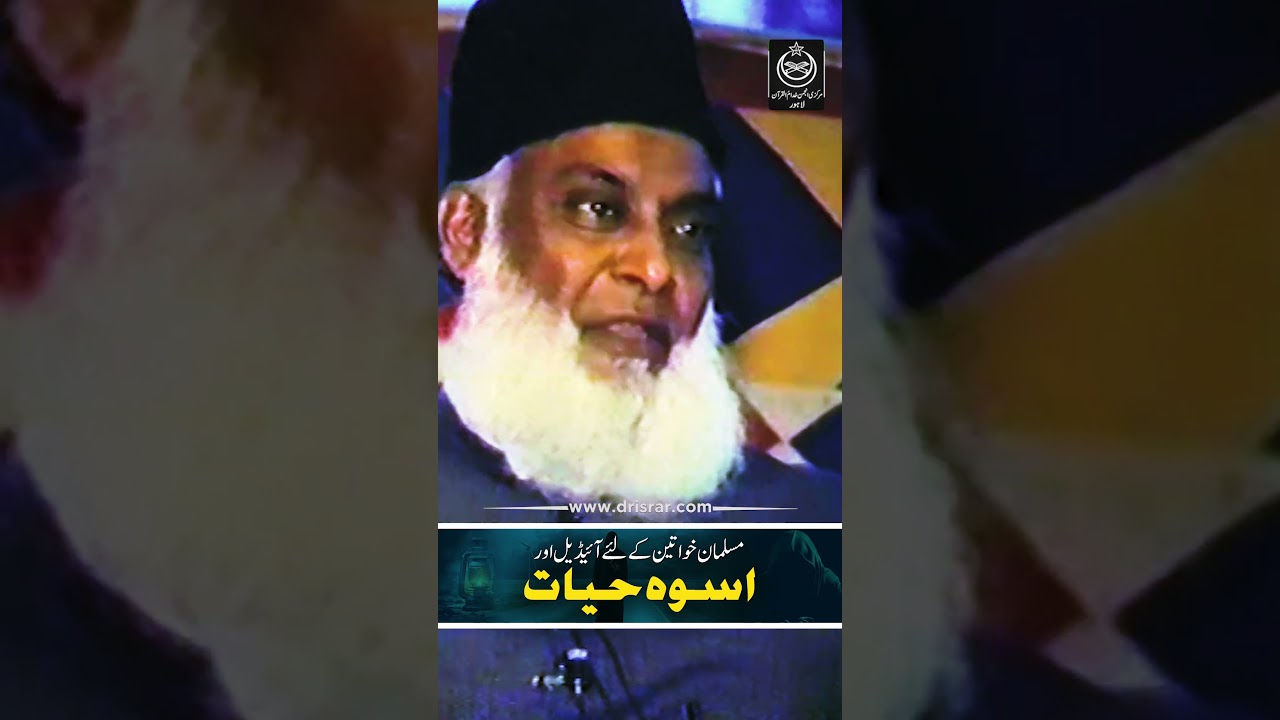
This lecture explores the profound roles of two significant women in Islamic history: Fatima bint al-Khattab, who profoundly influenced Umar ibn al-Khattab, and Fatima bint Muhammad, mother of Hasan and Hussein. It highlights how a Muslim woman can fully realize her potential within the boundaries of Islamic teachings, exemplifying strength, influence, and nurturing. The discussion emphasizes the unique contributions of these women and their lasting impact on Islamic society and the lives of believers.
57
