Quần short
This lecture analyzes the French and Russian Revolutions, highlighting their incomplete nature. Both revolutions primarily altered the political structure while leaving core beliefs, social systems, values, and economic institutions largely unchanged. The Bolshevik Revolution uniquely transformed the economic framework by abolishing private ownership and nationalizing resources, yet it did not affect the fundamental beliefs or social values. This discussion emphasizes how revolutions often fail to achieve comprehensive societal change, focusing instead on specific structural adjustments.

68
This lecture emphasizes prioritizing the afterlife while fulfilling worldly needs. It stresses reliance solely on Allah, avoidance of major sins, controlling anger, establishing a heart connection with Allah through prayer, seeking counsel, and dedicating wealth to the cause of Allah. The speaker advocates a balanced life focused on spiritual preparation and righteous action.
62
This lecture discusses the acceptance of repentance (tawbah) in extreme circumstances, such as terminal illness or imminent death. It clarifies that the door of repentance remains open until the final moments of life, but genuine repentance requires sincere, heartfelt emotion, not merely ritualistic recitation. The speaker emphasizes that denying someone the opportunity for repentance is inappropriate, as the Prophet Muhammad (peace be upon him) indicated its availability until death. The discussion also touches on the consequence of entering a state of unconsciousness, suggesting it may preclude the opportunity for repentance.
59
Human thought profoundly influences behavior, character, and deeds. Conversely, a person’s actions and character significantly shape their thinking. If knowledge and intellectual growth are not accompanied by corresponding action, a decline in character and thought can occur. A disconnect between intellectual understanding and practical application leads to stagnation and potentially a regression in personal development. Actions and character have a direct impact on one’s intellectual and spiritual progress.
59
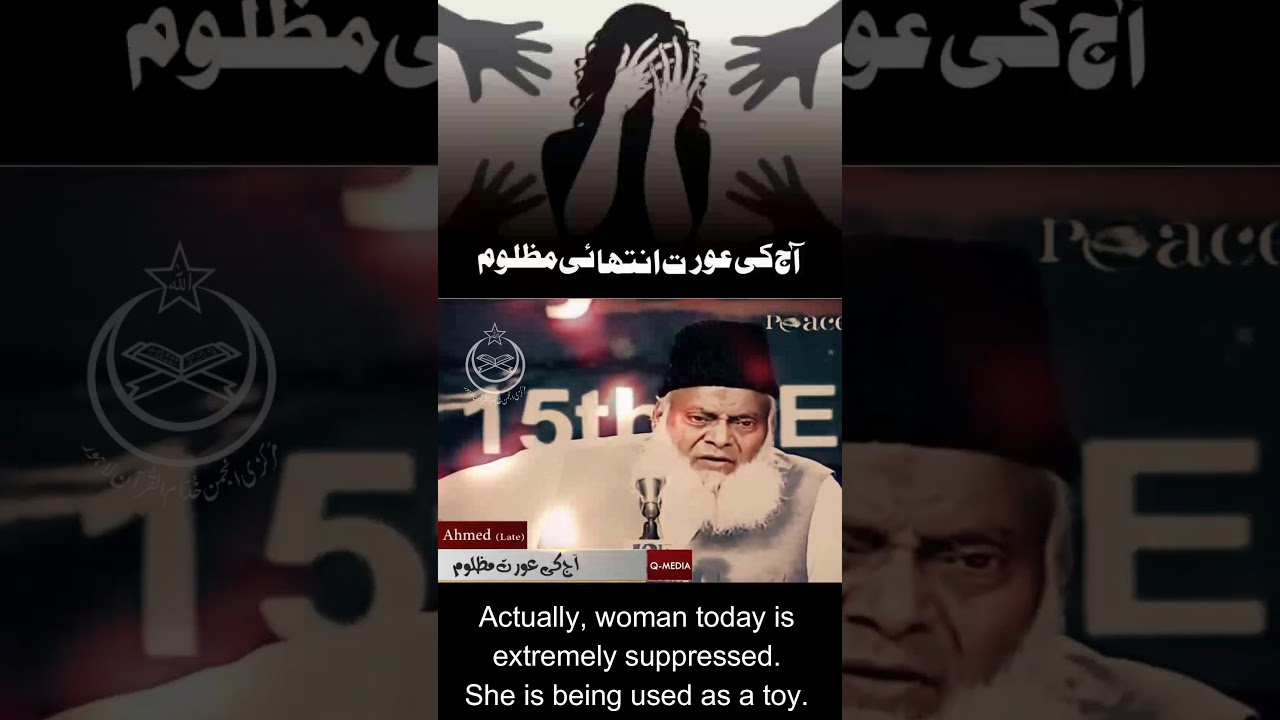
This lecture discusses the plight of women, particularly in Western societies, highlighting the burdens they bear – pregnancy, childbirth, and financial responsibility. It critiques the objectification of women and questions the values of Western civilization, suggesting a concerning trend of exploitation and disregard for their dignity. The speaker emphasizes the need to understand and respect women's true worth and role in society.
92

This lecture discusses an incident from the life of the Prophet Muhammad (peace be upon him) involving a traveler who entered a mosque without securing his mount. The Prophet questioned him about it, and the man explained he was relying on God. The Prophet corrected him, stating that true reliance on God does not mean neglecting practical precautions. He emphasized that reliance on God, or *tawakkul*, is not abandoning effort or means, but acknowledging that all outcomes ultimately depend on God’s will and permission. True *tawakkul* involves making an effort and then trusting in God's plan. The lecture underscores the importance of balancing effort with faith and understanding that means are essential, but God's decree is ultimate.
76
