السراويل القصيرة
This lecture analyzes the French and Russian Revolutions, highlighting their incomplete nature. Both revolutions primarily altered the political structure while leaving core beliefs, social systems, values, and economic institutions largely unchanged. The Bolshevik Revolution uniquely transformed the economic framework by abolishing private ownership and nationalizing resources, yet it did not affect the fundamental beliefs or social values. This discussion emphasizes how revolutions often fail to achieve comprehensive societal change, focusing instead on specific structural adjustments.

68

This lecture emphasizes that all expenditure on children should be considered a fulfillment of one’s responsibility to them, not an investment expecting a return. True reward and reliance should be placed solely with Allah. Effort dedicated to the service of Islam is the only work for which one can expect a genuine and reliable recompense. The lecture clarifies that seeking reward from anyone other than Allah is misguided.
42
The Prophet Muhammad (peace be upon him) clarified that true bankruptcy isn't financial poverty, but a deficiency in fulfilling rights owed to others. A person may perform numerous prayers, fasts, and pilgrimages, yet be considered bankrupt if they have wronged others through theft, slander, or abuse. On the Day of Judgment, the wronged will claim compensation from the wrongdoer's good deeds. If those deeds are exhausted, the wrongdoer will bear the burden of the wronged’s sins, ultimately facing punishment in Hell. This highlights the importance of justice and accountability.
31
Dr. Israr Ahmad explains the significance of *suhoor* (pre-dawn meal) in Islam. He highlights that *suhoor* distinguishes Muslim fasting from that of the Jews. Fasting begins at dawn, not sunrise, allowing time for the meal. He cautions against excessive strictness in observing the timing of *suhoor*, referencing the Prophet Muhammad’s emphasis on ease and avoiding unnecessary hardship in religious observance. The practice should be approached with balance and moderation, prioritizing accessibility and avoiding overly rigorous interpretations.
58
The speaker addresses the issue of innovation in religious practice (bid’ah) versus adherence to the Sunnah. He critiques the performance of rituals without understanding or intention, specifically highlighting the decline in the proper observance of funeral prayers and supplications. He argues that many practices have deviated from the Prophet’s teachings and the example of the Companions, leading to a superficiality in worship and a loss of spiritual benefit. The speaker emphasizes that actions performed without divine command are unacceptable and warns against the dangers of adding to religious practices beyond what was prescribed.
44
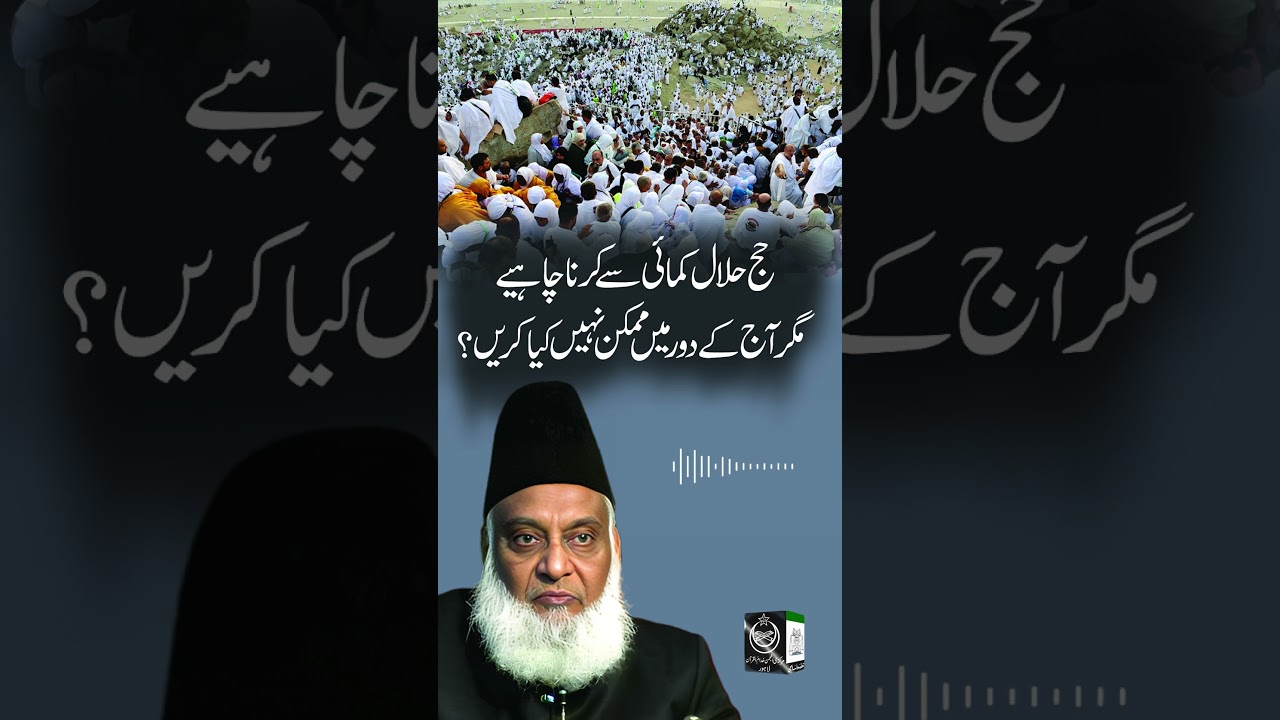
Performing Hajj and other religious obligations requires wealth earned through lawful means. Acquiring purely halal income is challenging in modern times due to pervasive indirect involvement with interest. Ambient interest exists in the air we breathe and the food we consume, which is considered a general impurity and doesn’t necessarily invalidate a transaction. Direct involvement, such as taking loans with interest to build homes or businesses, or depositing money to earn interest, is unequivocally forbidden. However, unintentional mistakes are forgivable, as God is Merciful and Pardoning. Focusing on acquiring halal income and avoiding strictly prohibited actions is paramount.
56
