شارٹس
This lecture emphasizes that worldly life is a cultivation for the afterlife. Every moment presents an opportunity to sow seeds for eternal rewards. Actions in this world directly impact one’s destiny in the hereafter. The speaker urges viewers to recognize the immense value of each moment and to diligently work and strive in this life to reap a bountiful harvest in the next. It’s a call to mindful living and purposeful action, framing life as an investment in eternal success.

75
Dr. Israr Ahmad discusses the stark contrast between the beauty of the Quran and the current state of the Muslim community. He highlights the internal contradictions that hinder Islam’s appeal and advocates for reclaiming lost members of the Muslim *ummah* before attempting to proselytize others. He emphasizes the need for self-correction and internal reform, arguing that a focus on reviving the faith within the community is paramount. The lecture questions whether the current portrayal of Muslims attracts people to Islam or repels them, and stresses the importance of addressing internal issues before outward propagation.
66
The speaker addresses a concern raised by his wife regarding his beard. He clarifies that growing a beard is a commandment of the Prophet Muhammad, following the practice of all prophets. He emphasizes the Prophet’s directive to trim the mustache and grow the beard, urging adherence to this sunnah with the expectation that acceptance will follow gradually. The discussion highlights the religious significance of beard growth as an act of obedience and a means of aligning oneself with the traditions of the prophets.
75
This lecture explores the deeper meaning of directing one’s attention towards God during prayer, specifically referencing Surah Fatiha. It explains that simply facing the Kaaba is insufficient; genuine connection requires inward focus and spiritual awakening. The speaker elucidates the verse concerning God’s responsiveness to sincere pleas, emphasizing His proximity to those who seek Him with earnestness. True prayer involves a complete turning towards God, a purification of intention, and an awareness of His presence. God answers every call, accepts every supplication, and responds to those who call upon Him sincerely, regardless of location.
107

This narrative recounts the brutal torture inflicted upon Hazrat Samia and Hazrat Yasir, early converts to Islam, by Abu Jahl. Despite relentless physical abuse, including being tied to pillars and subjected to intense pain, they refused to renounce their faith. Abu Jahl offered to spare Hazrat Samia's life if she acknowledged the divinity of an idol, but she spat at it, intensifying his wrath. The account highlights their unwavering commitment to Islam in the face of extreme adversity and the prophetic announcement of their eventual reward in paradise, delivered by the Prophet Muhammad (peace be upon him).
62
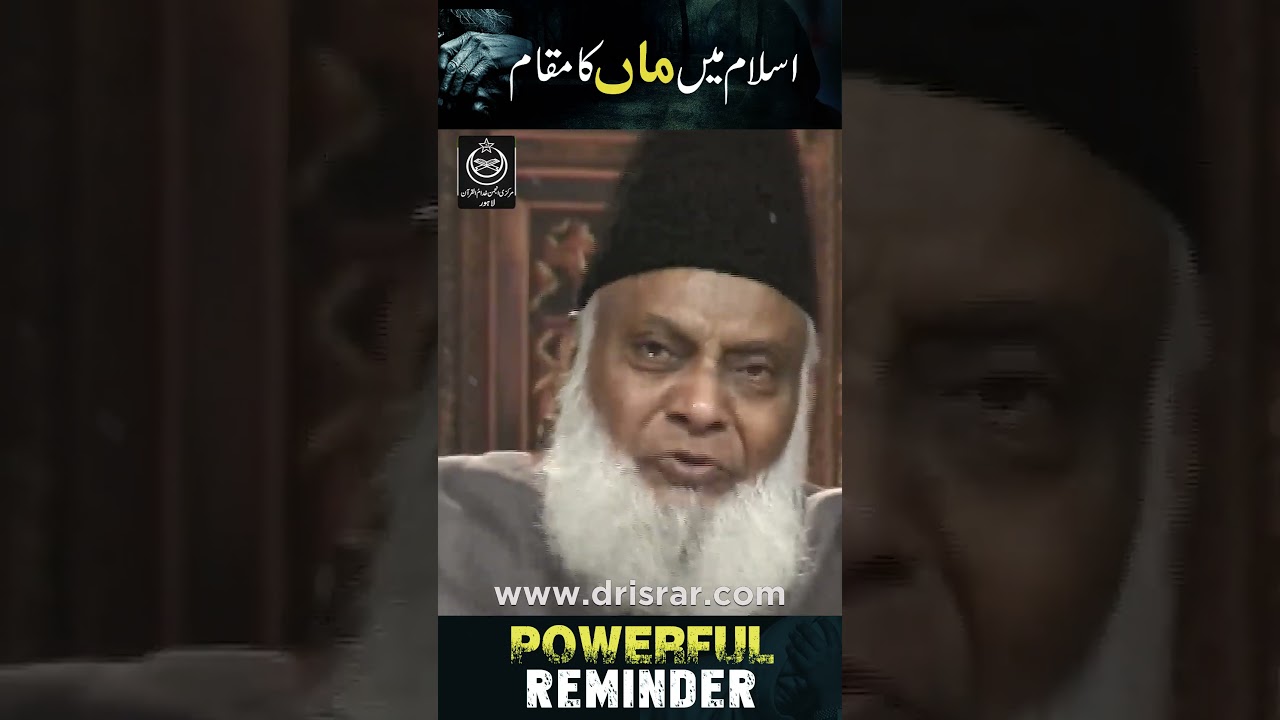
Islamic teachings emphasize prioritizing the rights of parents after those owed to God. The rights of mothers are three times greater than those of fathers due to the immense physical and emotional burden they bear during pregnancy, childbirth, and raising children. While fathers provide financially and are essential, mothers endure unique hardships that necessitate a higher degree of respect and care. This lecture details the importance of recognizing and fulfilling these parental rights in Islam.
81
