Kurze Hose
This lecture emphasizes that worldly life is a cultivation for the afterlife. Every moment presents an opportunity to sow seeds for eternal rewards. Actions in this world directly impact one’s destiny in the hereafter. The speaker urges viewers to recognize the immense value of each moment and to diligently work and strive in this life to reap a bountiful harvest in the next. It’s a call to mindful living and purposeful action, framing life as an investment in eternal success.

75
The speaker emphasizes the importance of self-accountability and inviting others to righteousness. He argues that while avoiding criticism is acceptable in personal agreements, actively promoting good deeds opens one's character to scrutiny, which is ultimately beneficial. He suggests that actively engaging in *dawat* (inviting to the right path) necessitates a willingness to examine one's own conduct. Avoiding self-reflection and failing to address personal flaws creates a hypocrisy that will be noted by others. The speaker also highlights that mutual silence regarding wrongdoing, though convenient, does not foster genuine improvement.
64
This lecture clarifies the Islamic rulings regarding beards and mustaches. It states that growing a beard is a Sunnah, and interfering with its natural growth is discouraged. Trimming for balance is permissible if growth is uneven. Shaving the beard completely or excessively is considered a greater sin than not growing one at all. The lecture emphasizes that adhering to these practices is considered obligatory by some scholars, as it aligns with the teachings and practices of the Prophet Muhammad (peace be upon him).
80
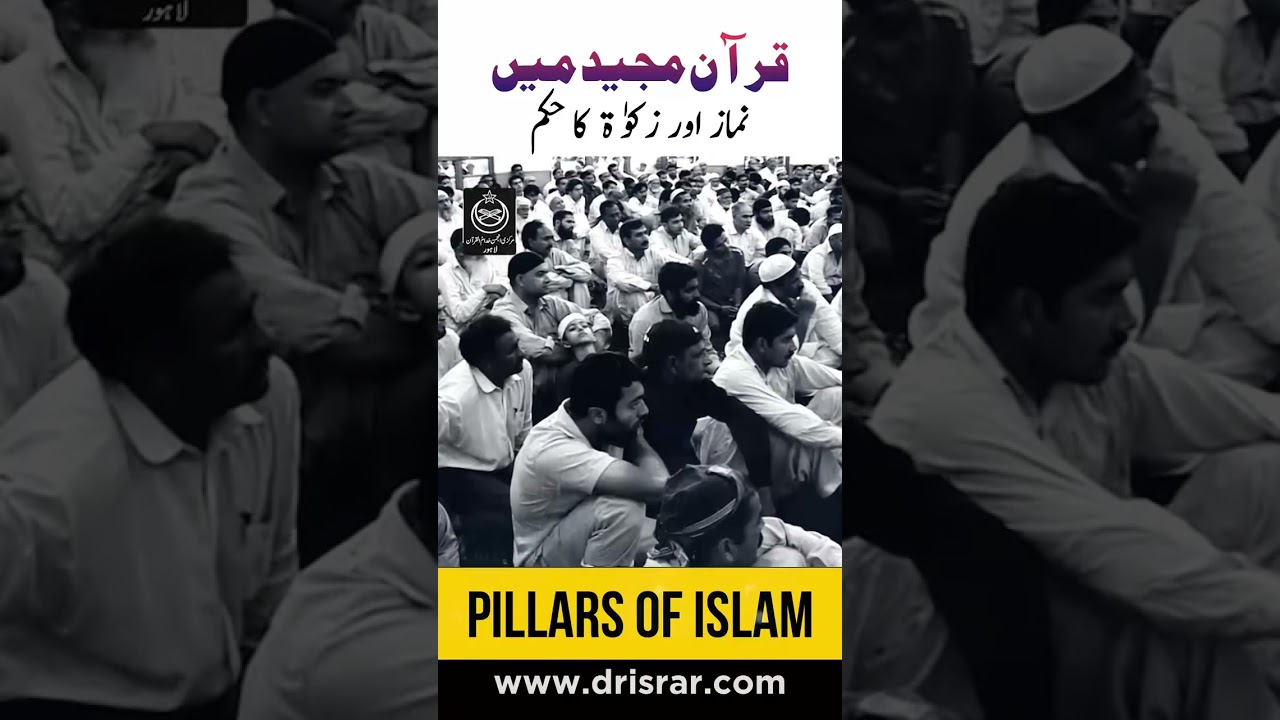
The Quran places significant emphasis on the performance of Salah (prayer) and Zakat (charity), repeatedly outlining their importance. While instructions regarding fasting and Hajj are present, the Quran dedicates numerous verses to Salah and Zakat. The complete rulings on fasting are concentrated within six verses of Surah Baqarah, while mentions of fasting elsewhere primarily relate to expiation. Fasting, as an independent pillar of Islam, lacks the same consistent, detailed emphasis as Salah and Zakat throughout the Quran.
67
This lecture details the Prophet Muhammad’s (PBUH) unique mission, distinguishing it from those of previous prophets. The Prophet’s unwavering integrity, self-reliance, and dedication to establishing a complete system of life are emphasized. The discussion highlights the two phases of the prophetic mission: initial, common to all prophets (invitation to God, glad tidings, warnings), and the unique, comprehensive mission given to Muhammad (PBUH) – establishing a complete way of life based on divine guidance. The Quranic verses from Surah Taubah, Surah Safah, and Surah Fatah, which repeatedly emphasize this comprehensive mission, are referenced. The lecture underscores the Prophet’s unparalleled commitment to implementing a complete system of life, a responsibility not shared to the same extent by previous prophets.
70
The vast majority of Muslims today lack true faith, with only a small fraction embodying genuine belief. This lecture highlights a pervasive disconnect between professed belief and actual practice, particularly regarding adherence to Quranic principles. Many prioritize worldly concerns and are fixated on death without acknowledging the reality of the afterlife as the true life. The speaker emphasizes a critical contradiction: professing belief in the Quran while simultaneously engaging in prohibited practices like usury, demonstrating a lack of genuine faith in divine commandments.
74
