Kurze Hose
The speaker discusses the decline of spiritual understanding within Islamic practice. While rituals like prayer, fasting, sacrifice, and pilgrimage remain prevalent, the underlying philosophical depth and transformative effect have diminished. The speaker argues that the sheer number of people performing these rituals – millions undertaking the Hajj – does not translate into societal impact or personal change. The focus has shifted from inner transformation to mere external observance, resulting in a disconnect between practice and genuine spiritual growth.

75
The core purpose of fasting is to turn towards God and engage in heartfelt supplication. This spiritual journey allows the human soul to ascend towards its origin. Throughout history, people have sought this connection through various practices, like seclusion and asceticism, driven by a deep longing for the Divine. The essence of this pursuit is a quest for God, a desire to find Him within oneself.
64
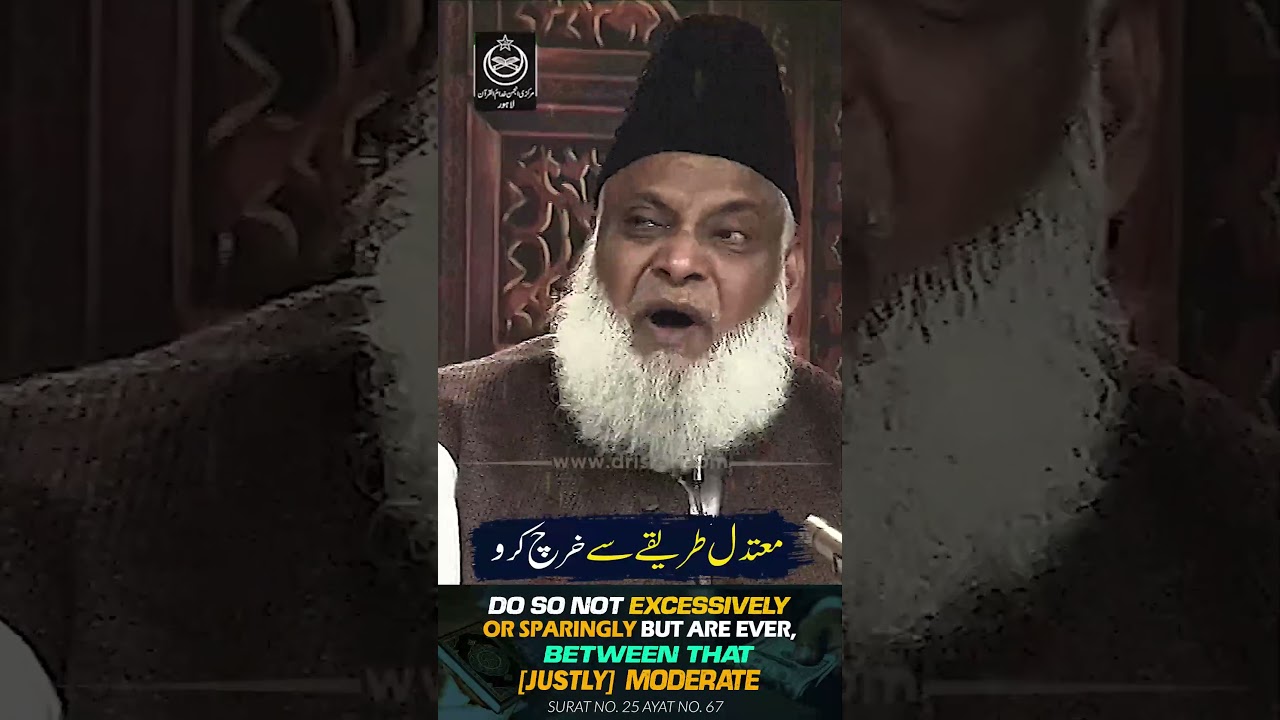
Extremism in charitable giving is undesirable. Intense emotion can lead individuals to impulsively donate all their wealth, potentially harming themselves. The Quran and the teachings of the Prophet emphasize the necessity of balance in spending. The verse from Surah Al-Furqan highlights that true believers spend neither stingily nor wastefully, but maintain a moderate course between these extremes. This approach ensures both the well-being of the giver and the effective distribution of resources to those in need. It’s crucial to consider consequences and adopt a reasoned approach to charity.
60
This lecture addresses the challenges faced by individuals with disabilities, specifically blindness, and offers a theological perspective on hardship and divine justice. It posits that life's difficulties are not punishments but tests, and that full compensation will be provided in the afterlife. The speaker argues that limitations do not negate success, as individuals will be judged based on their capacity and effort. The focus shifts from worldly outcomes to the eternal reward, framing current struggles as a temporary phase within a larger, eternal context. Success isn't measured by worldly achievements but by striving within one's limitations. The speaker emphasizes that the true life exists in the hereafter.
55
Khilafat, at its core, represents the implementation of oneness (tauheed) at a governmental level. It signifies the elimination of shirk (polytheism) in all its forms. Shirk manifests not only in belief but also subtly through hypocrisy and impure intentions. The most significant form of shirk, however, is the assertion of authority by anyone other than Allah. Sovereignty and the right to govern belong exclusively to Allah. Establishing a Khilafat system, therefore, is to implement tauheed in governance, rejecting any claim to authority outside of divine decree.
79
The lecture clarifies the true essence of charity (Sadaqat) and obligatory alms (Zakat) in Islam. It emphasizes that Zakat isn’t merely about giving cash but applies to all forms of trade and wealth. True charity must be performed sincerely, without seeking recognition or reward. Ostentatious displays of piety are considered a form of polytheism. The speaker stresses that Zakat is a pillar of Islam, a foundation for economic justice, and a means to support vulnerable communities. Sincere giving, performed privately and for the sake of God alone, is the only act that earns divine acceptance.
112
