Calção
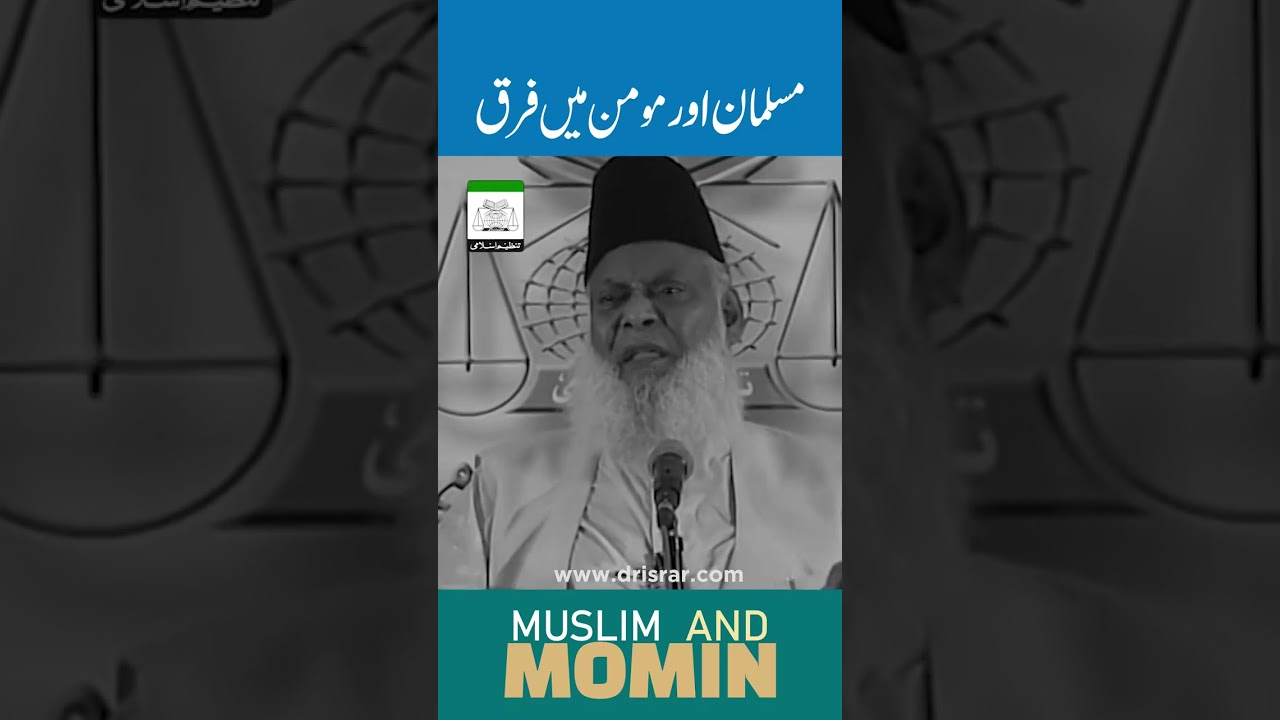
The lecture clarifies the distinction between being a Muslim and a true believer (Momin). Simply identifying as a Muslim based on lineage is insufficient; genuine faith requires complete submission to God and His Messenger, unwavering conviction, and active struggle in the path of God with both wealth and life. The speaker references Surah Al-Hujurat, verse 14, emphasizing that true faith enters the heart and is demonstrated through action, not merely claimed through words. Those who genuinely believe are those who strive in the way of Allah with their possessions and lives.

99

This lecture discusses a dangerous mindset prevalent among some communities: the belief that belonging to a specific lineage or group guarantees forgiveness and exempts them from accountability. This mindset leads to moral decay, justification of wrongdoing, and a rejection of responsibility. The speaker warns against prioritizing worldly pleasures and neglecting spiritual obligations, emphasizing the fleeting nature of life and the importance of striving for righteousness. He asserts that accountability is universal and that true salvation comes through sincere repentance and adherence to divine guidance, not through false assurances of inherited privilege.
76
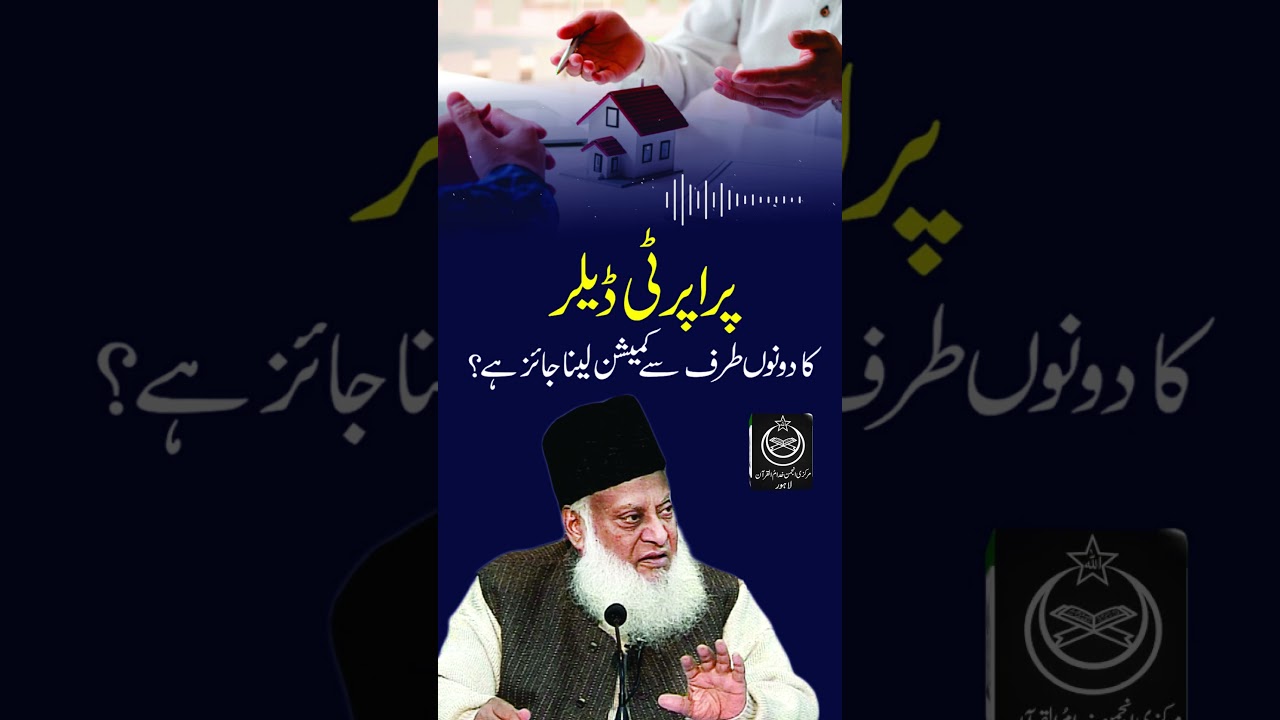
Dr. Israr Ahmad discusses the Islamic ruling on property dealers charging fees from both the buyer and seller, or from both landlord and tenant. He asserts that taking fees from both sides is *haram* (forbidden). The dealer should only take a commission from one party to incentivize securing the best possible deal for that client, whether a lower rental price or a better sale price. This approach ensures fairness and ethical conduct in property transactions.
83

This lecture emphasizes the comprehensive responsibility of individuals, particularly heads of households, not only to provide for their families' material needs but also to ensure their spiritual well-being and protect them from the consequences of wrongdoing. It highlights that each person will be held accountable for the guidance and upbringing of those under their care – spouses, children, and other dependents. The speaker stresses that safeguarding one's family from the fires of hell is a positive and essential duty, drawing parallels to a shepherd being accountable for their flock.
92
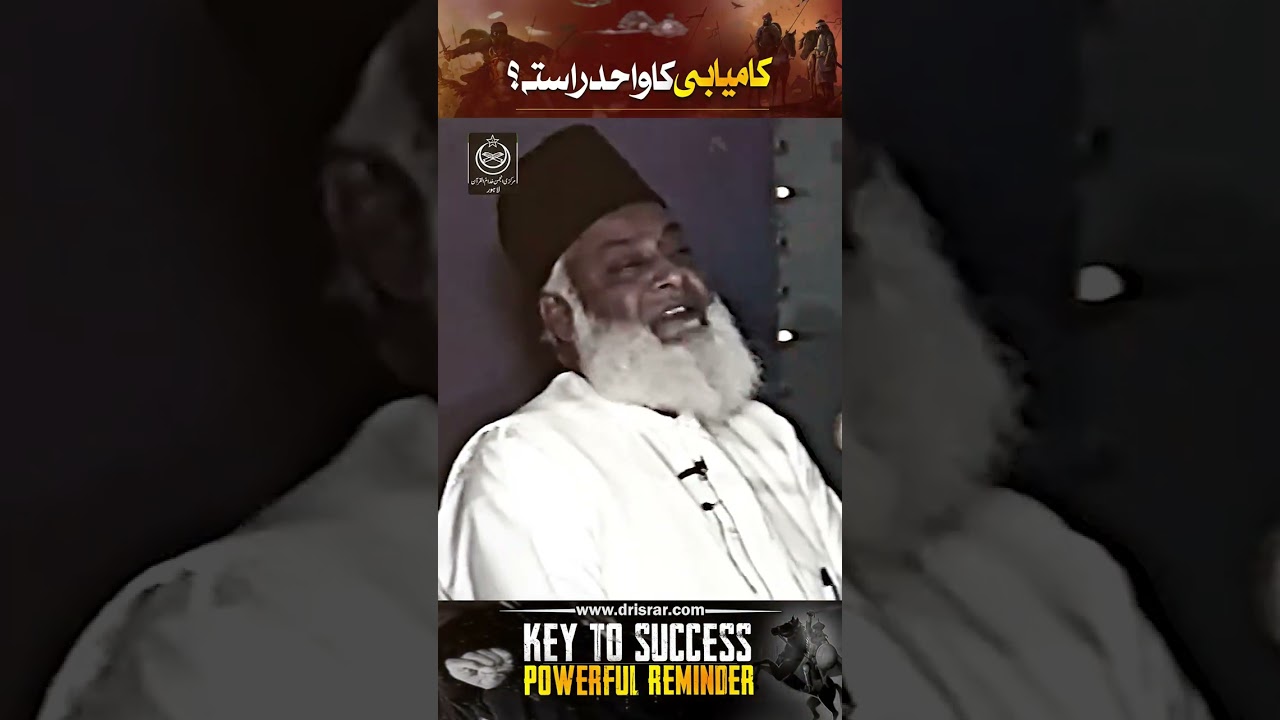
This lecture emphasizes that the establishment of a caliphate can only be achieved by strictly following the path of Prophet Muhammad (peace be upon him). Deviation from his teachings and methods will lead to failure, as seen in past revolutionary movements. The speaker highlights the importance of piety, faith, and unwavering belief in the Prophet’s guidance. True success and divine assistance will come through adherence to his Sunnah, specifically referencing verse 28 of Surah Al-Hadid, which emphasizes the importance of *taqwa* (piety) and faith in the messenger. The speaker asserts that following the Prophet’s life – his *sira* – is the only viable path to achieving the goal of establishing a righteous caliphate.
88

This lecture emphasizes the importance of fulfilling one’s obligations to relatives, particularly widows and orphaned children. It stresses prioritizing the rights of those most deserving, especially when dealing with family disputes and potential grievances. The speaker advocates for giving with sincerity, solely for the pleasure of God, and acting justly towards all, even those who may be antagonistic. Prioritizing divine acceptance over personal vengeance is central to the message. It calls for fulfilling obligations and addressing the needs of those deprived of support.
51
