निकर
The lecture clarifies the distinction between being a Muslim and a true believer (Momin). Simply identifying as a Muslim based on lineage is insufficient; genuine faith requires complete submission to God and His Messenger, unwavering conviction, and active struggle in the path of God with both wealth and life. The speaker references Surah Al-Hujurat, verse 14, emphasizing that true faith enters the heart and is demonstrated through action, not merely claimed through words. Those who genuinely believe are those who strive in the way of Allah with their possessions and lives.

99
Dr. Israr Ahmad discusses the perceived freedoms within a society that fundamentally contradicts Islamic principles. He argues that true freedom, as defined by Islam, is absent when societal structures are built upon interest-based systems and disregard Islamic law. The lecture highlights a disconnect between ritualistic religious observance – worship, beliefs, ceremonies like births, weddings, and funerals – and the implementation of Islam as a comprehensive way of life. He asserts that even those hostile to Islam offer freedoms that are denied to Muslims due to the absence of an Islamic system. The core argument is that Islam, as a complete code of conduct, has been relegated to mere ritual in the minds of the vast majority of the populace.
79
Islam is a complete way of life and cannot accommodate elements from other systems. The speaker argues against the integration of modern democracy and socialism into Islam, asserting that Islam possesses its own inherent democratic and socialist principles rooted in its teachings and jurisprudence. He points to the presence of the term ‘jumhoor’ (the public) in Islamic texts as evidence of Islam’s democratic foundation, and the concept of ‘shirkat’ (partnership) as its socialist basis. Islam’s system is comprehensive and self-sufficient, rejecting external ideological grafting.
56
This lecture explores the multifaceted greatness of the Prophet Muhammad (peace be upon him). It highlights his exceptional qualities not merely as a human being, but also as a strategic leader and diplomat. The discussion focuses on his unparalleled skill in military strategy, despite never personally participating in battle, and his mastery of negotiation and conflict resolution. The lecture details his ability to forge alliances and unite diverse groups, exemplified by the agreements he established in Medina and previously in Yathrib, demonstrating his profound leadership and wisdom.
86
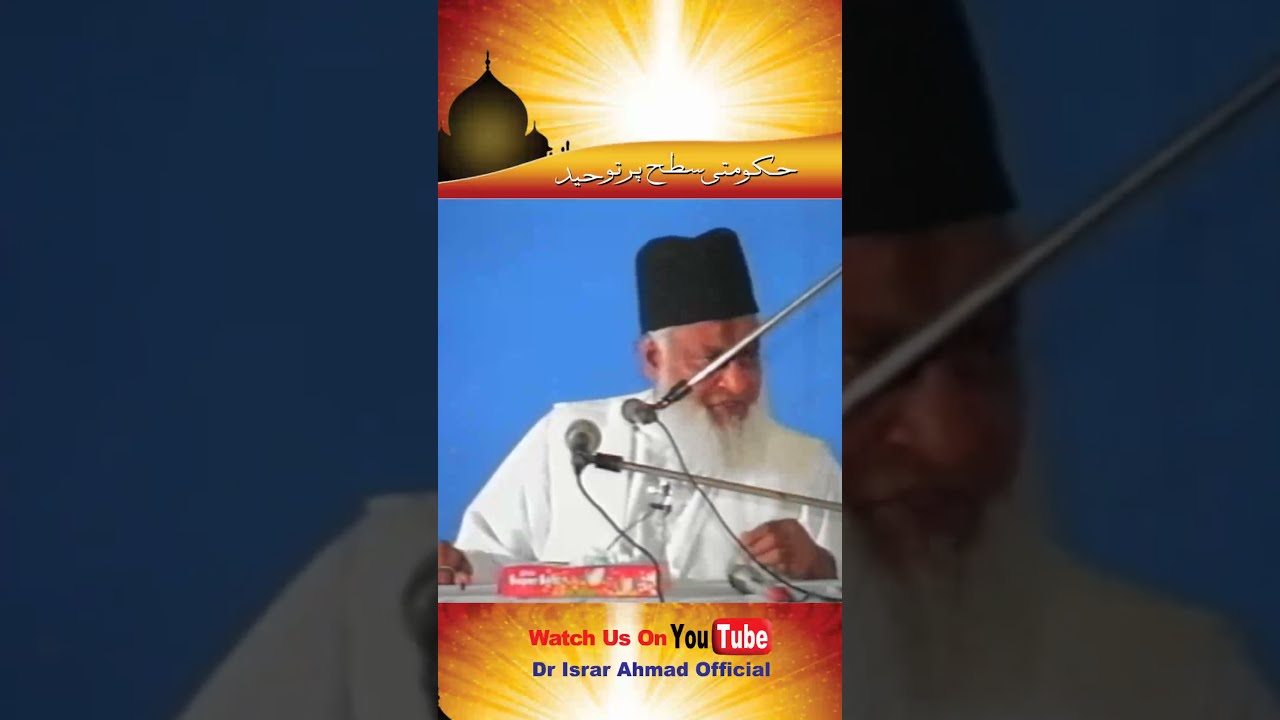
Khilafat, at its core, represents the implementation of oneness (tauheed) at a governmental level. It signifies the elimination of shirk (polytheism) in all its forms. Shirk manifests not only in belief but also subtly through hypocrisy and impure intentions. The most significant form of shirk, however, is the assertion of authority by anyone other than Allah. Sovereignty and the right to govern belong exclusively to Allah. Establishing a Khilafat system, therefore, is to implement tauheed in governance, rejecting any claim to authority outside of divine decree.
79
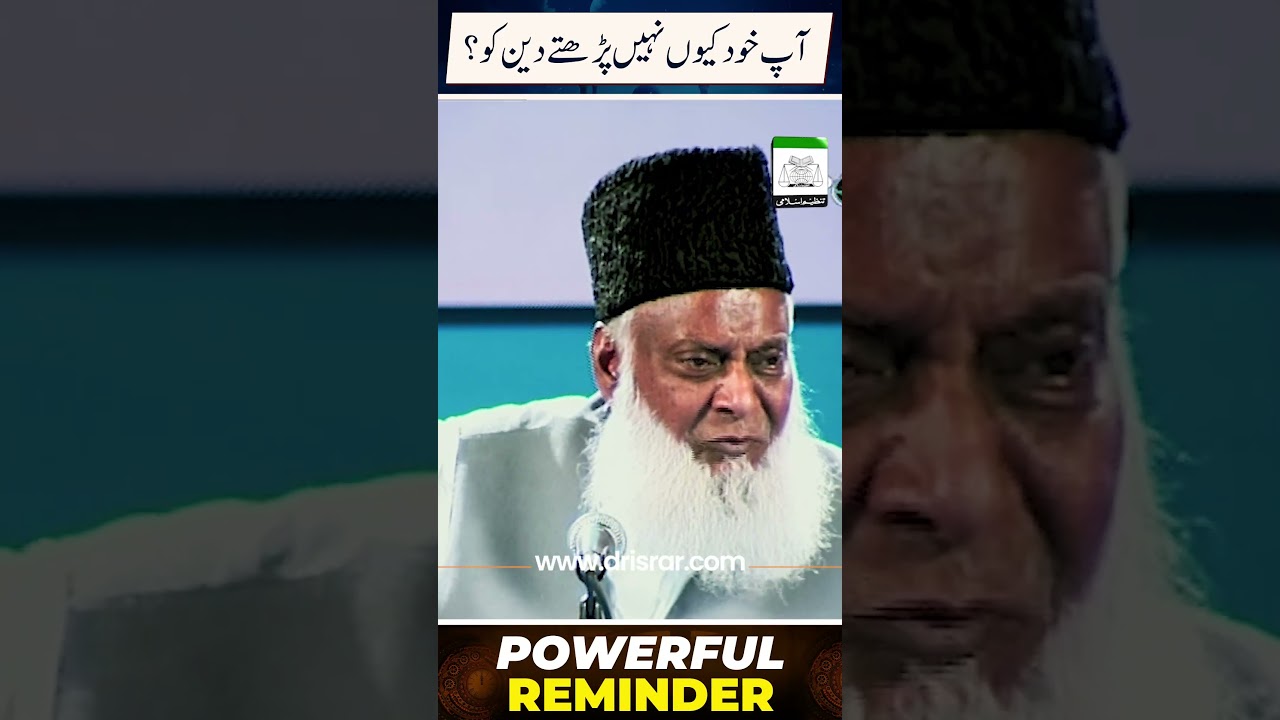
This lecture critiques the societal trend of prioritizing worldly education and careers over religious knowledge and practice. It argues that every Muslim should be capable of performing essential religious duties like leading prayers and conducting marriage ceremonies. The speaker challenges the audience to self-reflect and examine their own commitment to Islamic principles rather than criticizing religious scholars. The lecture highlights a shift in priorities towards material success and away from spiritual development, questioning why individuals pursue professions that offer wealth and status while neglecting religious obligations. It emphasizes that true religious understanding comes from personal devotion and not solely from professional clerics.
64
