Shorts
The lecture clarifies the distinction between being a Muslim and a true believer (Momin). Simply identifying as a Muslim based on lineage is insufficient; genuine faith requires complete submission to God and His Messenger, unwavering conviction, and active struggle in the path of God with both wealth and life. The speaker references Surah Al-Hujurat, verse 14, emphasizing that true faith enters the heart and is demonstrated through action, not merely claimed through words. Those who genuinely believe are those who strive in the way of Allah with their possessions and lives.

99
This lecture examines the decline of the Muslim Ummah due to negligence of religious duties and disregard for the Quran. It draws parallels between the current state and the fate of previous nations who rejected divine guidance, becoming spiritually hardened and ultimately failing to fulfill their potential. The speaker emphasizes that being designated ‘the best of peoples’ carries a responsibility to act upon that status and avoid repeating the mistakes of the past. The hardening of hearts, as described in the Quran, is a critical warning against spiritual apathy and the abandonment of faith. It highlights the importance of internalizing divine teachings and consistently striving for moral and spiritual excellence.
67
This lecture explains that accountability in the hereafter is based on inherent human faculties: intellect, discernment, the capacity for good and evil, divine knowledge within the soul, and the love of God. Even those who never received a prophetic message will be judged based on these innate qualities. God has provided humanity with the tools for moral reasoning and spiritual awakening, and this internal guidance forms the basis of divine judgment. The sending of prophets and scriptures served to complete the argument and provide clear guidance, making the test of life easier. The soul possesses inherent knowledge of and love for God, which is awakened by divine revelation.
69
The vast majority of Muslims today lack true faith, with only a small fraction embodying genuine belief. This lecture highlights a pervasive disconnect between professed belief and actual practice, particularly regarding adherence to Quranic principles. Many prioritize worldly concerns and are fixated on death without acknowledging the reality of the afterlife as the true life. The speaker emphasizes a critical contradiction: professing belief in the Quran while simultaneously engaging in prohibited practices like usury, demonstrating a lack of genuine faith in divine commandments.
74
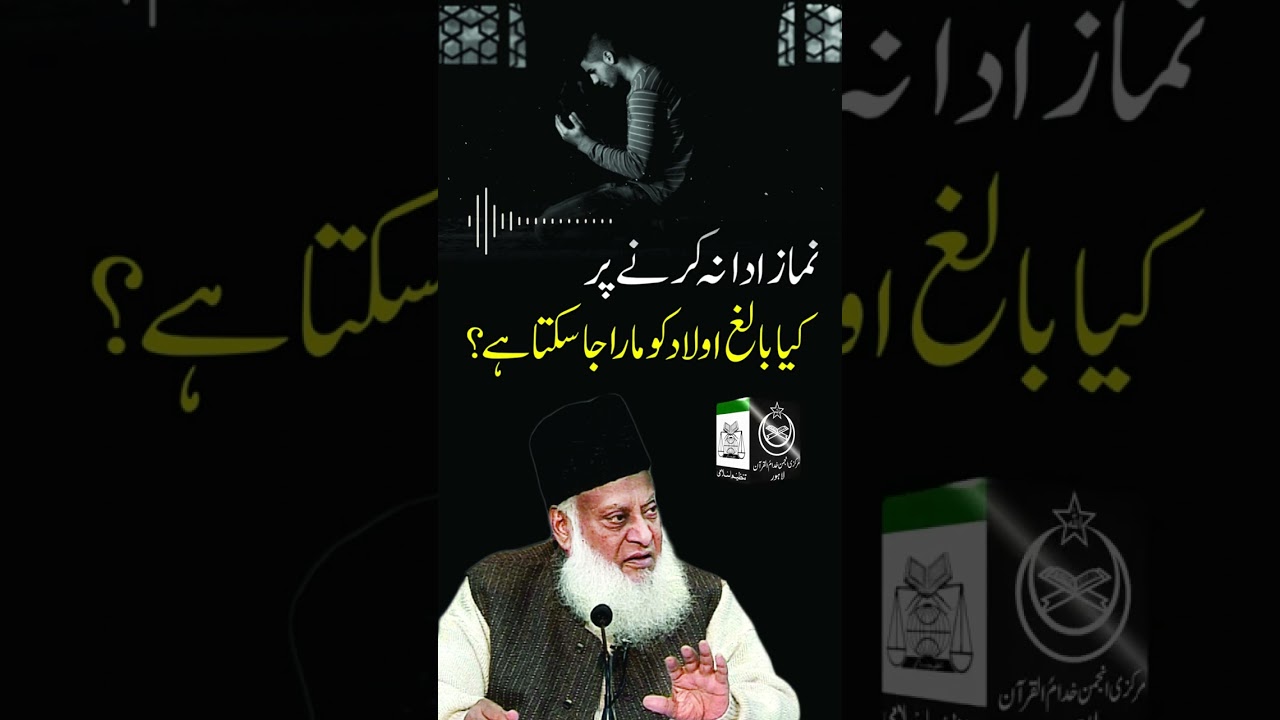
This lecture addresses the Islamic perspective on disciplining adult children. It clarifies that physical violence against adult offspring is prohibited. The speaker emphasizes that the root cause of disobedience often lies in a lack of religious upbringing during childhood. Establishing consistent prayer habits and good character in children from a young age is presented as preventative measure. Alternatives to physical punishment include emotional distance, ending contact, and addressing the underlying causes of the child's behavior. The discussion stresses that proper guidance during formative years is crucial for preventing future issues.
53

This lecture details the rulings surrounding I'tikaf during the last ten days of Ramadan. It clarifies that I'tikaf begins on the 21st night after the 20th night has passed. The lecture emphasizes that physical intimacy is prohibited for those observing I'tikaf within the mosque, although wives may visit for essential consultations or meetings. This session explains the wisdom behind these rulings and the permissible interactions during I'tikaf.
68
