شلوار کوتاه
This lecture explores the astronomical significance of stars and galaxies, specifically addressing their eventual decline and disappearance. It posits that the setting of stars isn't merely a physical event but a profound cosmic process. The passage highlights the vastness of space and the eventual fate of even massive galaxies, suggesting a cyclical pattern of creation and destruction. It emphasizes the immensity of the universe and the eventual disappearance of galaxies, not just stars. This is a deep exploration of cosmic phenomena and their philosophical implications.

74

Taghut refers to anything that transgresses the boundaries of worship and obedience to God. It originates from ‘tagha’, meaning to exceed limits. When something, be it an individual, institution, or state, oversteps the bounds of devotion intended solely for God, it becomes Taghut. This lecture defines Taghut as any entity that demands allegiance and submission outside of God’s commands. It emphasizes that the essence of worship is submission within defined limits, and exceeding these limits constitutes an act of Taghut. The concept extends beyond individuals to encompass systems and ideologies that usurp divine authority and demand absolute obedience, leading to a deviation from true worship.
58
The Quran uses the term ‘Noor’ (light) as a metaphor for Allah and also for the Quran itself. The verse ‘Believe in Allah, His Messenger, and the light which We have sent down’ clearly refers to the Quran. While ‘Noor’ can encompass the entirety of religion, the core essence of religion ultimately boils down to the concept of Tawhid (Oneness of God). Therefore, equating ‘Noor’ with Tawhid is also justifiable. This lecture explores the multifaceted meaning of ‘Noor’ within the Quranic context and its significance for faith and understanding.
65
Dr. Israr Ahmad discusses the proper disbursement of Zakat funds according to Hanafi jurisprudence. He emphasizes that Zakat should either be collected by the government or directly distributed to eligible recipients, ensuring they become the owners of the funds. He raises concerns about institutions receiving Zakat without direct ownership by the intended beneficiaries. He proposes that if the government allocates Zakat to hospitals, access to free services should be limited to those eligible for Zakat, with a fee structure in place for others. He also addresses the practice of government grants to madrassas, suggesting transparency in directing funds to eligible students. He requests understanding on this sensitive issue to avoid unnecessary controversy.
130
Sheikh Abdul Qadir Jilani emphasized that true power and provision come solely from Allah. Nothing possesses inherent efficacy; fire cannot burn, water cannot drown, poison cannot kill, or anything benefit without Allah’s will. Reliance should be placed entirely on Allah, not on worldly means or intermediaries. The lecture stresses complete trust in Allah for all needs and outcomes.
58
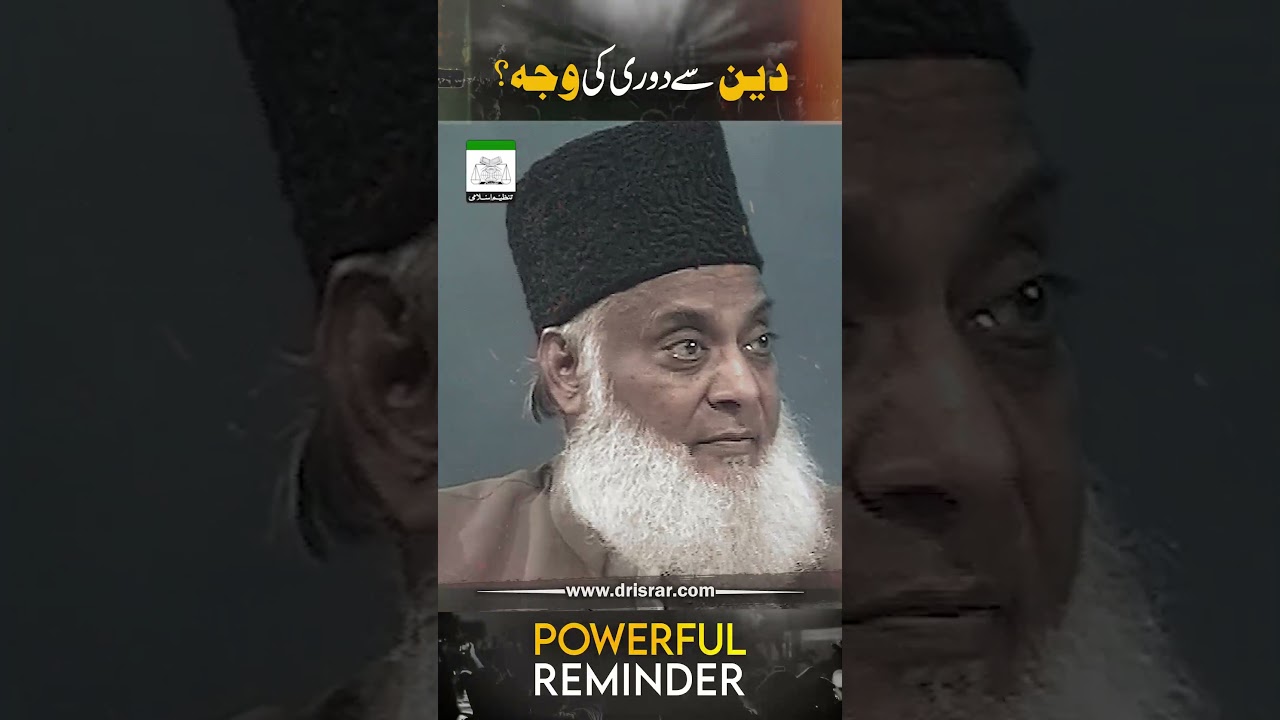
People are preoccupied with worldly pursuits and earning a livelihood, dedicating all their time and energy to material gains. They are consumed by the responsibilities of maintaining a certain lifestyle and upholding appearances. This dedication leaves them with no time for spiritual reflection or meaningful pursuits beyond the immediate demands of daily life. They are driven by a constant need to accumulate wealth and are trapped in a cycle of work and consumption, prioritizing worldly achievements over inner peace and fulfillment. Their energies are fully invested in these activities, leaving no space for introspection or devotion.
63
