निकर
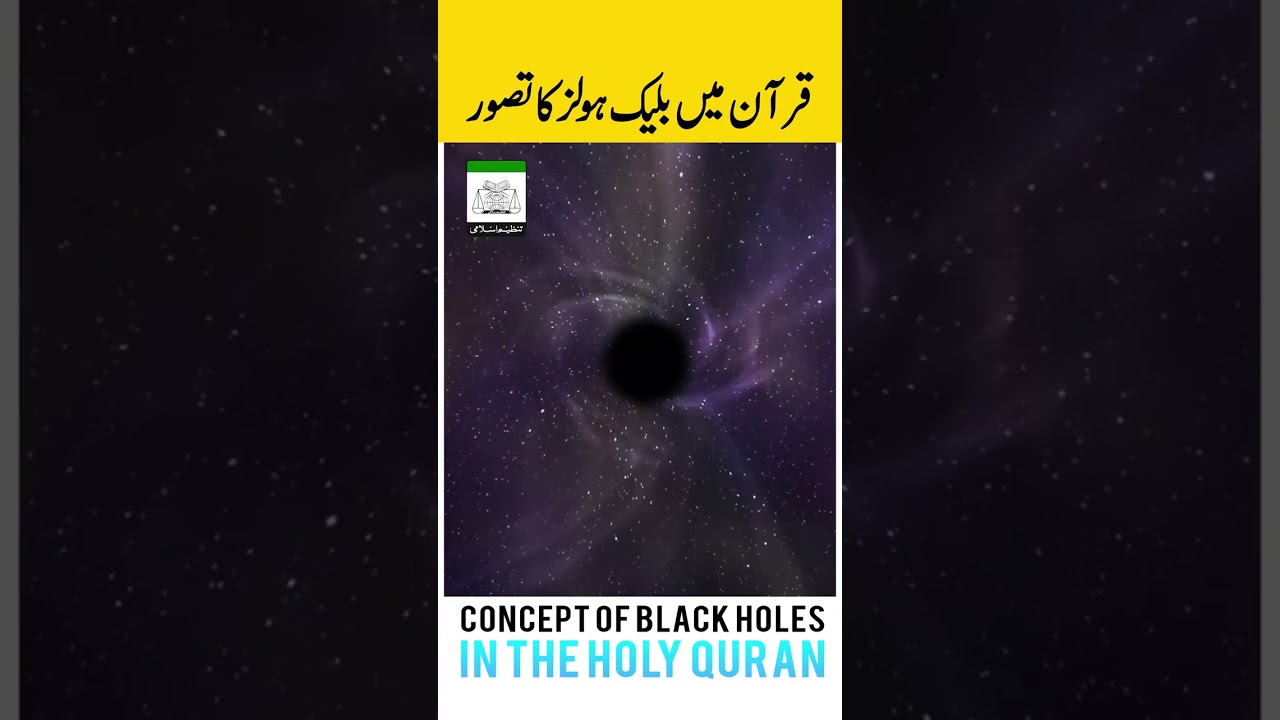
This lecture explores the astronomical significance of stars and galaxies, specifically addressing their eventual decline and disappearance. It posits that the setting of stars isn't merely a physical event but a profound cosmic process. The passage highlights the vastness of space and the eventual fate of even massive galaxies, suggesting a cyclical pattern of creation and destruction. It emphasizes the immensity of the universe and the eventual disappearance of galaxies, not just stars. This is a deep exploration of cosmic phenomena and their philosophical implications.

74

This lecture explores the concept that those who oppose divine guidance attempt to extinguish the light of God through baseless claims and actions. The speaker clarifies that this attempt is futile, as God will always perfect and sustain His light. The analogy of blowing out a lamp is used to illustrate the misguided effort to negate truth with falsehood, a concept beautifully expressed in a poetic verse by Maulana Zafar Ali Khan. The message emphasizes the invincibility of divine truth and the ultimate triumph of faith over opposition.
58

This lecture details the profound encounter between Prophet Moses (peace be upon him) and Allah on Mount Tur. Despite direct communication, Moses expresses a desire to behold Allah. Allah responds that direct vision is beyond human capacity, but offers a demonstration through the mountain. When Allah manifests a glimpse of His glory upon the mountain, it is utterly destroyed, and Moses falls unconscious. This event highlights the immense power and majesty of Allah and the limitations of human perception when encountering the Divine.
70

True blessings lie not in possessions like health, wealth, or children, but in the guidance that accompanies them. Without divine direction, these are merely transient comforts. The greatest blessing is the Quran, the source of ultimate guidance and true well-being. Guidance transforms all aspects of life into genuine blessings, while its absence renders even apparent advantages meaningless. The essence of a fulfilling life rests on seeking and adhering to divine direction.
313
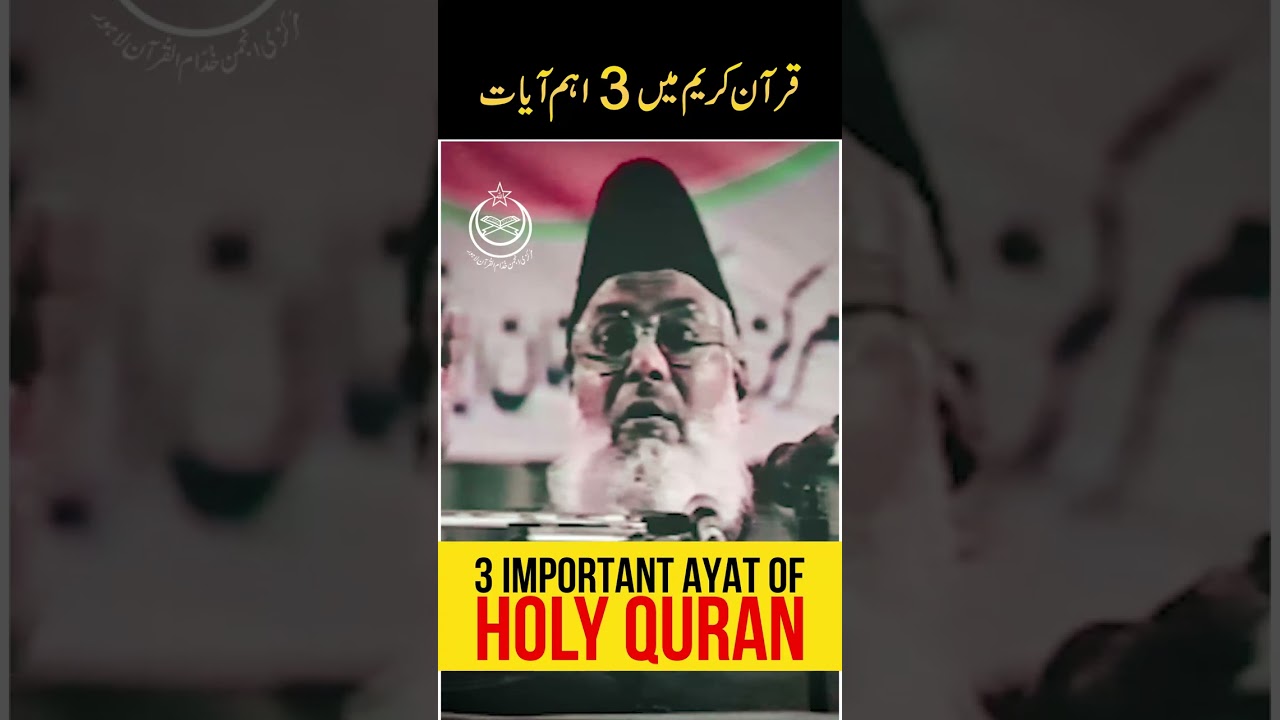
Iqbal observed that if Nietzsche had lived in a time where he could have been guided, Iqbal would have explained the concept of *maqam-e-qabriya* (the station of the grave). The text posits that rebellion, transgression, injustice, and oppression originate within humanity, leading to the violation of others' rights and a sense of impunity. This unchecked behavior escalates into wrongdoing, exploitation, and unlawful gain. The ultimate remedy, as highlighted, is returning to God, emphasizing that while justice may be delayed, it is inevitable.
67

This world is fundamentally incomplete from the perspective of moral law. Physical laws operate with absolute certainty – transgression leads to consequence. However, moral failings, like lying or theft, often go unpunished in this life. This creates an inherent imbalance. A complete moral order, and the corresponding consequences for actions, necessitates another world, another existence where justice prevails. The speaker emphasizes the deficiency of this world’s system of accountability and advocates for a realm where moral principles are fully realized and upheld.
57
