Calção

The lecture discusses the diminishing spiritual impact of ritualistic worship, despite the continuation of practices like prayer, fasting, sacrifice, and pilgrimage. It argues that simply performing these acts does not guarantee societal change or personal transformation. The speaker emphasizes that a significant number of pilgrims return from Hajj without exhibiting any noticeable positive impact on their communities or themselves, and some even become more self-assured in their past wrongdoings, feeling free from accountability. The core message is that true worship must lead to genuine inner change and positive societal contribution.

70

This lecture details the life of Abu Bakr Siddique, focusing on his successful business prior to embracing Islam. It highlights how his dedication shifted from commerce to the propagation of the faith after accepting Islam. The lecture emphasizes Abu Bakr’s pivotal role in early Islamic outreach, specifically detailing how his efforts led six individuals from the 'Ashra Mubashara' (ten blessed companions) to accept Islam and join the Prophet's cause. The discussion underscores the transformation from worldly pursuits to devotion to religious work, and the sacrifices made for the sake of Islam.
47

The capacity to receive and benefit from divine knowledge, specifically the Quran, is directly proportional to one’s mental capacity. Just as a small bucket can only hold a limited amount of water from a vast ocean, a limited mind can only absorb a fraction of the Quran’s wisdom. Expanding mental capacity through the study of sciences, philosophy, and logic is essential to fully grasp the Quran’s teachings. A broad and sharp mind is more receptive to understanding the subtleties and depths of divine knowledge. Continuous learning and intellectual exploration are vital for maximizing one’s capacity to benefit from the Quran's guidance and wisdom.
57

Dr. Israr Ahmad discusses the profound period Prophet Muhammad (peace be upon him) spent in the Cave of Hira. He highlights the intense contemplation and spiritual journey undertaken by the Prophet before receiving revelation. The lecture details the Prophet’s questioning of existing beliefs, his rejection of idolatry prevalent in his time, and his search for the true God. It emphasizes that this period of solitude and reflection was crucial in shaping his mission and preparing him for prophethood. The discussion also touches upon the Prophet's inherent inclination towards monotheism and his rejection of the worship practices of Jews and Christians.
100

This lecture explores the negative characteristics of arrogance and miserliness, highlighting their spiritual and societal harms. It details how pride often stems from a fear of losing wealth and status, leading to stinginess and discouraging generosity. The lecture further explains how individuals consumed by these traits not only hoard their possessions but also encourage others to do the same, fearing criticism for spending. Ultimately, it warns of the severe consequences awaiting those who persist in these behaviors, emphasizing the importance of humility and generosity as virtues pleasing to God.
62
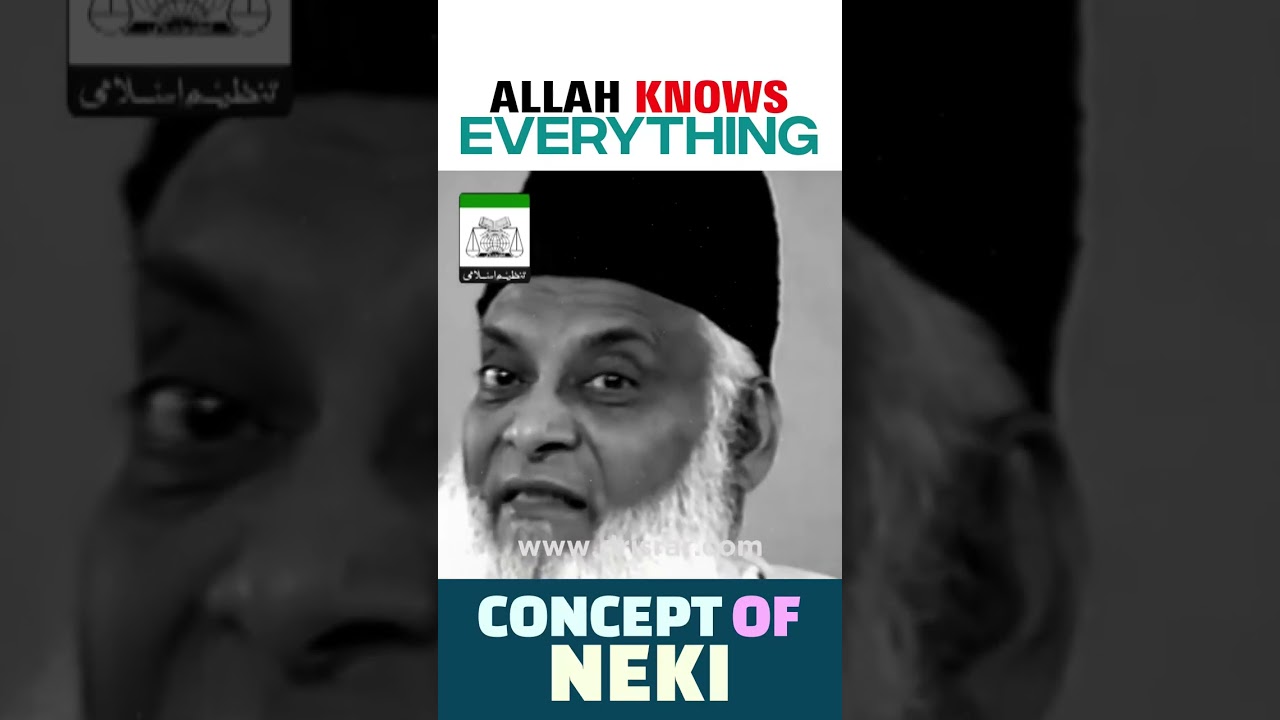
This lecture explores the concept of reward in relation to individual capacity and inherent difficulties. It highlights that a single act of goodness, achieved despite significant internal obstacles, can be more valuable in the eyes of God than numerous acts performed with ease. The lecture emphasizes that Divine assessment considers the effort and struggle behind an action, not merely its quantity. It suggests that genuine achievement lies in overcoming personal limitations to perform even a small good deed. The relative ease with which some individuals accomplish good deeds does not diminish the importance of striving for goodness despite personal challenges.
54
