ショーツ

The lecture discusses the diminishing spiritual impact of ritualistic worship, despite the continuation of practices like prayer, fasting, sacrifice, and pilgrimage. It argues that simply performing these acts does not guarantee societal change or personal transformation. The speaker emphasizes that a significant number of pilgrims return from Hajj without exhibiting any noticeable positive impact on their communities or themselves, and some even become more self-assured in their past wrongdoings, feeling free from accountability. The core message is that true worship must lead to genuine inner change and positive societal contribution.

70
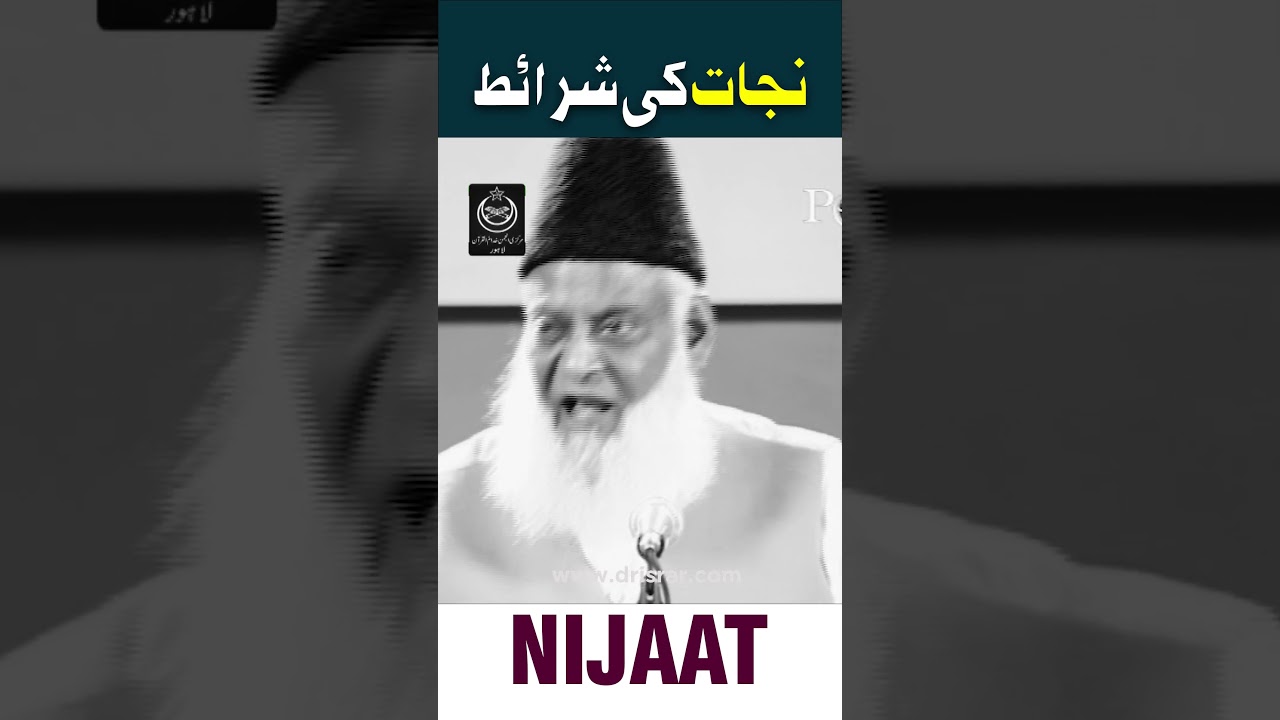
This lecture clarifies the minimum requirements for salvation according to Islamic teachings. It emphasizes that faith combined with righteous deeds is essential, not merely faith alone. While varying degrees of reward exist, a baseline of belief and good actions is non-negotiable for securing salvation. The speaker addresses the misconception that abundant good deeds can automatically compensate for a preponderance of sins, highlighting that consistent faith and good works are the fundamental criteria for attaining divine forgiveness and entering Paradise. It explains that while higher ranks in Paradise may require greater effort, basic salvation is predicated on fulfilling these essential requirements.
50

True faith is deeply rooted conviction in the heart—belief in God, His attributes, His presence and knowledge, life after death, accountability, reward and punishment, Paradise and Hell, angels, divine revelation, scriptures, prophets, messengers, and the finality of the prophethood of Muhammad, peace be upon him. This conviction is the foundation of a meaningful life.
45

This narrative recounts the brutal torture inflicted upon Hazrat Samia and Hazrat Yasir, early converts to Islam, by Abu Jahl. Despite relentless physical abuse, including being tied to pillars and subjected to intense pain, they refused to renounce their faith. Abu Jahl offered to spare Hazrat Samia's life if she acknowledged the divinity of an idol, but she spat at it, intensifying his wrath. The account highlights their unwavering commitment to Islam in the face of extreme adversity and the prophetic announcement of their eventual reward in paradise, delivered by the Prophet Muhammad (peace be upon him).
62

This lecture discusses the concept of divine provision (rizq) and acceptance of God’s will. It explains that while individuals should strive to fulfill their obligations and help others, ultimate control over changing circumstances rests with God. The speaker emphasizes that one should do their best within their capacity, and accept that outcomes are ultimately in God's hands. The lecture highlights the importance of fulfilling one's duty with moderation and accepting God’s decree.
64

True humanity is defined by setting and striving towards goals. Achieving any significant objective requires dedicated effort, perseverance, and self-discipline. Success demands overcoming base instincts and enduring hardship. Just as a diver must descend into the ocean to retrieve pearls, one must work tirelessly to attain a higher station in life. Those who seek elevation without exertion will find their lives wasted in futile thinking. Genuine progress necessitates consistent effort and a willingness to sacrifice comfort for achievement.
64
