شلوار کوتاه
Dr. Israr Ahmad explains the true meaning of poverty (miskin) in Islam. It isn’t merely a lack of wealth, but rather the failure to fulfill obligations to others. A person may perform many acts of worship – prayers, fasting, pilgrimage – yet be considered bankrupt on the Day of Judgment if they have wronged people by depriving them of their rightful inheritance, slandering them, or otherwise violating their rights. Their good deeds will be distributed to those they harmed, leaving them with nothing but the weight of their sins and ultimately destined for Hell. This lecture clarifies that true poverty lies in spiritual bankruptcy, not material lack.

68

This lecture explores the life of Syeda Fatima, the beloved daughter of the Prophet Muhammad (peace be upon him). It details her hardships, including physical strain from household chores and the challenges faced by early Muslims. The discussion emphasizes her devotion, piety, and the sacrifices she made for her father and the nascent Muslim community. It also addresses a poignant moment where she questions the disparity in worldly possessions, highlighting her spiritual focus despite material needs. The lecture concludes with a reflection on the immense love and respect the Prophet held for his daughter and the practice of reciting specific praises after each prayer.
51
This lecture analyzes verse 55 of Surah Noor, explaining Allah’s promise to believers: establishing them as successors on Earth, granting dominance to their faith, and replacing their fear with security. The discussion highlights that true Tawhid (Oneness of God) is incomplete until the religion of Allah prevails. The verse connects political empowerment with spiritual fulfillment, asserting that genuine worship requires both faith and the ability to practice it without oppression. Dr. Israr Ahmad explains that the promise of governance is intrinsically linked to the establishment of Allah’s way of life and the eradication of fear among believers.
179
This lecture explores the dual nature of knowledge: revealed guidance and knowledge acquired through human senses and intellect. It emphasizes the responsibility of utilizing these faculties to understand the universe, analyze phenomena, and draw conclusions. The speaker highlights the importance of observation, rational thought, and the pursuit of truth through both spiritual insight and scientific inquiry. The lecture stresses that humanity has been gifted with senses, perception, and intellect and will be held accountable for their proper use in unraveling the mysteries of existence and applying that knowledge for betterment.
84
This lecture clarifies the obligation of Hajj for those who possess the means. It explains that Hajj is a debt owed to God, becoming obligatory when one has the physical and financial capacity to perform it, including provisions for travel, accommodation, and sustenance. Delaying Hajj after fulfilling these conditions constitutes a significant sin. The discussion emphasizes fulfilling the rituals and offering sacrifice as integral parts of the pilgrimage.
55
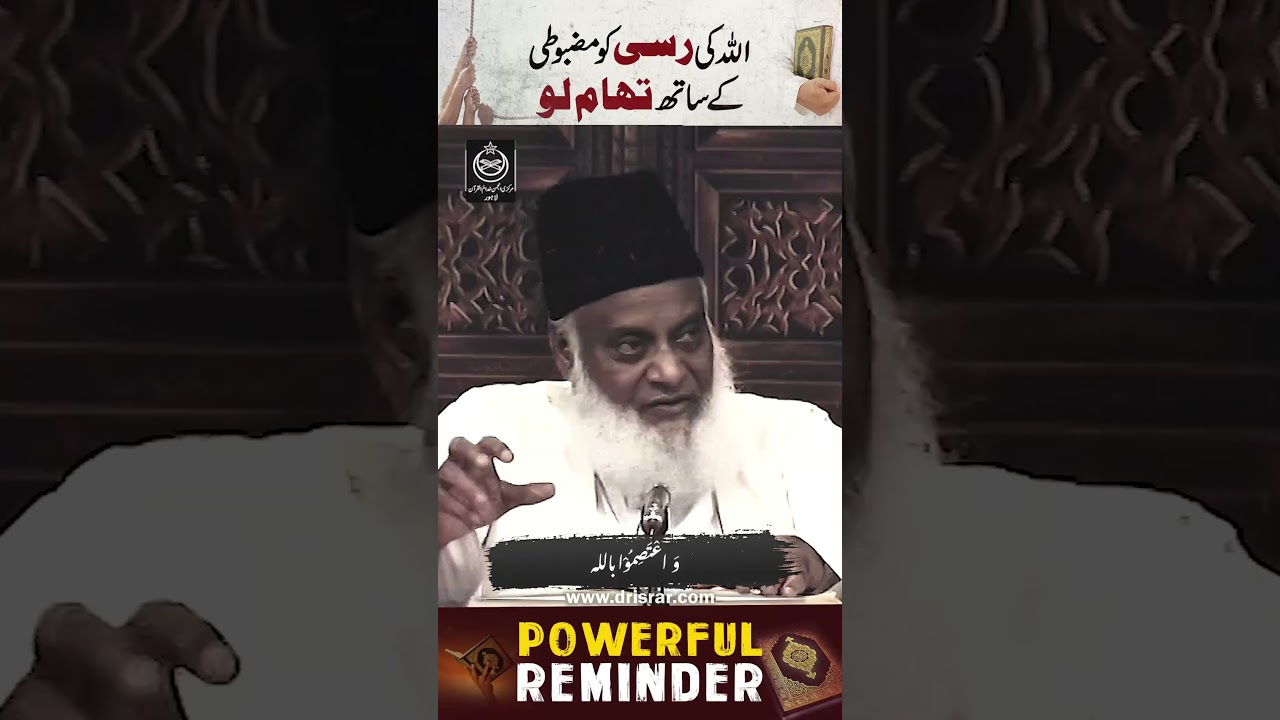
This lecture emphasizes the importance of establishing a strong connection with Allah. It highlights intention, consistent effort, and taking the first step towards spiritual growth. Prayer and charity are presented as foundational practices for progressing on this path. The speaker addresses the challenges and difficulties inherent in spiritual journeys, emphasizing the need to cling to Allah's guidance throughout the process.
46
