Shorts

Dr. Israr Ahmad explains the true meaning of poverty (miskin) in Islam. It isn’t merely a lack of wealth, but rather the failure to fulfill obligations to others. A person may perform many acts of worship – prayers, fasting, pilgrimage – yet be considered bankrupt on the Day of Judgment if they have wronged people by depriving them of their rightful inheritance, slandering them, or otherwise violating their rights. Their good deeds will be distributed to those they harmed, leaving them with nothing but the weight of their sins and ultimately destined for Hell. This lecture clarifies that true poverty lies in spiritual bankruptcy, not material lack.

68

The text highlights a unique distinction granted to Prophet Muhammad (peace be upon him). The Quran uses specific phrasing – “Rasool Allah” – exclusively for him, while other prophets are described with various roles like witness, herald, example, caller, messenger, teacher, trainer, and helper. This emphasizes his singular status as the final messenger of God.
100

This lecture discusses the grave sin of submitting to any authority other than God. It equates failing to establish a caliphate—a system promised by God—with disbelief, ingratitude, and rebellion. The speaker argues that Muslims must actively strive to fulfill this divine promise, or risk spiritual ruin. The lecture draws a parallel between this failure and the disobedience of Iblis, highlighting the seriousness of rejecting God's ordained system of governance. It serves as a warning against complacency and a call to action for the Muslim community.
56

This lecture emphasizes the importance of fulfilling obligations to God and to humanity. It highlights the necessity of standing firm for justice, adhering to divine principles, and respecting revealed scriptures. The speaker stresses that true faith requires both upholding the rights of God – encompassing worship and obedience – and fulfilling the rights of others, including upholding justice and fairness. A key point is the responsibility to study, reflect upon, and act in accordance with the teachings of divine books like the Torah, the Gospel, and the Quran. The lecture concludes with a call to establish justice and follow the guidance revealed by God.
48
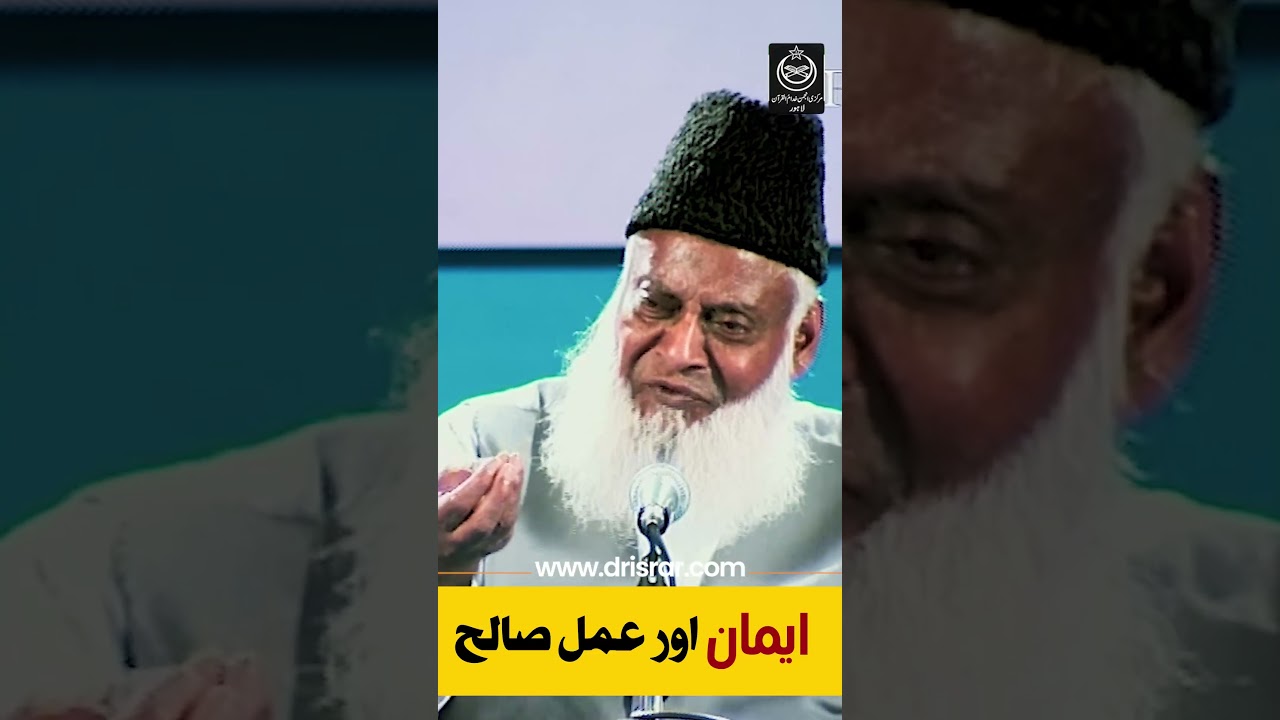
This lecture emphasizes the inseparable connection between faith and action. It asserts that a person who habitually breaks small promises is unlikely to fulfill larger, lifelong commitments. True faith and consistent action are intrinsically linked; one cannot exist without the other. The speaker highlights that faith without practical manifestation is incomplete, and consistent action without a foundation of faith is unsustainable. This bond is fundamental to a meaningful life and fulfilling one's purpose.
46
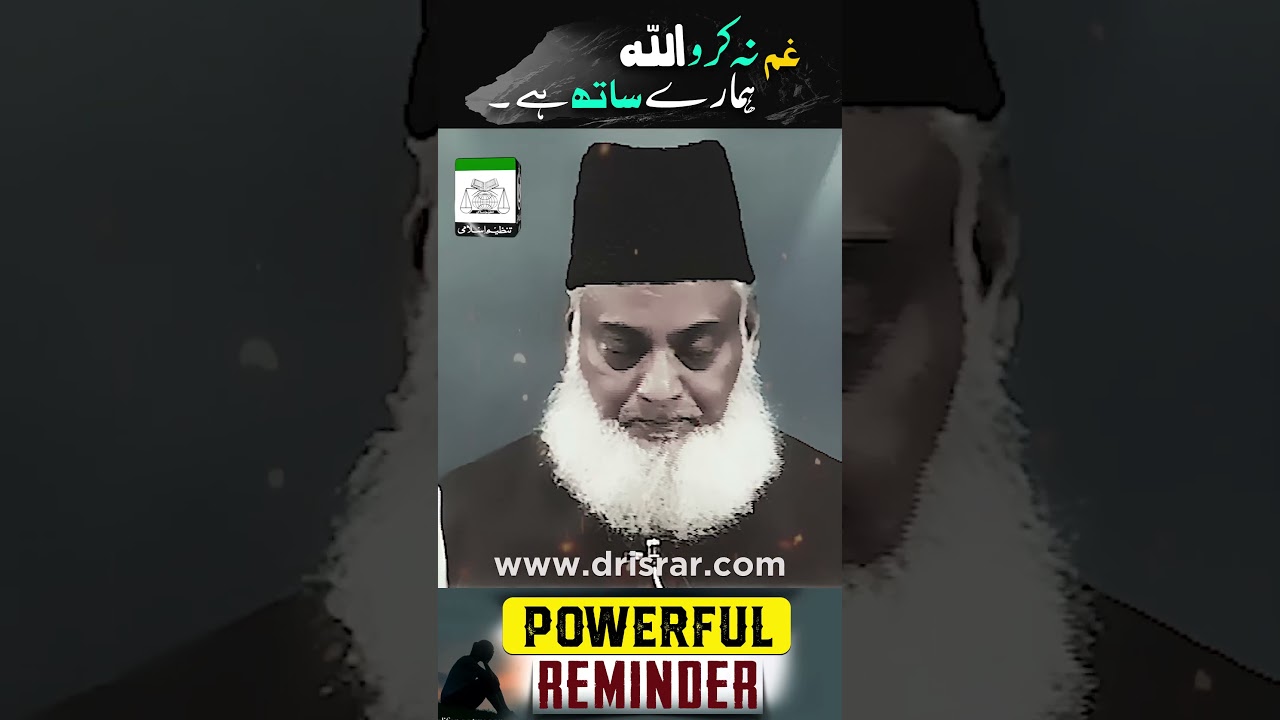
During the Hijra, when the Prophet Muhammad (peace be upon him) and Abu Bakr (may Allah be pleased with him) were in the cave of Thawr, they feared discovery. Abu Bakr expressed concern that even a glance inside would reveal them. The Prophet reassured him, reminding him of God’s support. Consequently, Allah sent down tranquility upon them and reinforced them with unseen forces. This event resulted in the subjugation of the disbelievers and the ultimate triumph of Islam throughout the Arabian Peninsula. God’s word is supreme, and He is the Most Powerful, the Most Wise.
63
