Shorts

This lecture emphasizes the importance of fulfilling obligations to God and humanity. It stresses standing firm for justice and truth, and adhering to divine guidance as outlined in the Quran and previous scriptures. The speaker highlights the interconnectedness of rights – those owed to God, the Prophet, and fellow human beings. A crucial aspect is the responsibility to understand and reflect upon the scriptures received, particularly the Quran, Torah, and Gospel, and to act upon their teachings. The message underscores that true communication with God requires commitment to justice and adherence to revealed knowledge.

72

True justice originates from God. The inherent system He established is fundamentally just. As loyal servants, it is our responsibility to uphold and implement this divine system. This requires a firm and unwavering stance for justice, utilizing all available resources and strength. This is not merely a response to societal turmoil, but a demand of our devotion to God. It necessitates standing as witnesses to His faith, embodying justice and fairness in all actions, and actively championing equitable principles.
59
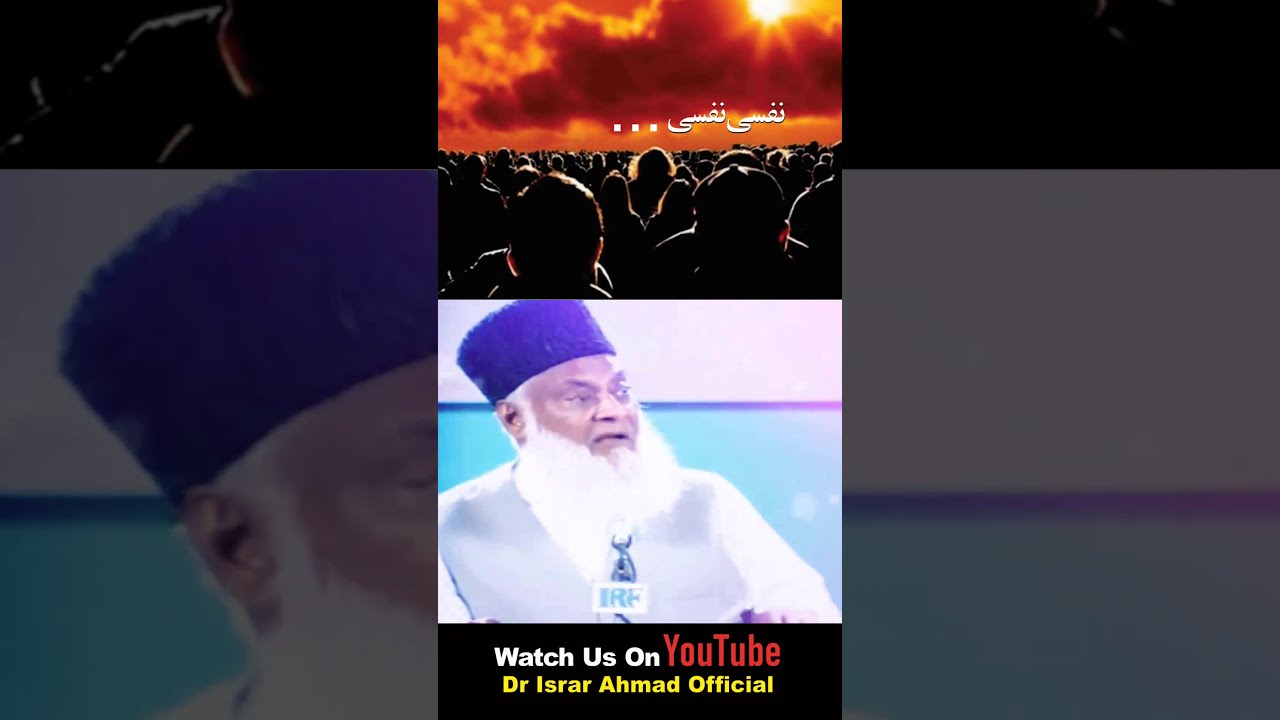
The Quran describes a day of immense hardship, 'Yaum-e-Farar,' where individuals will prioritize self-preservation above all else. On this day, familial and societal bonds will dissolve as people flee from loved ones—siblings, parents, spouses, and children—driven by intense fear and a desperate desire for personal salvation. The text highlights the complete breakdown of relationships and the overwhelming self-interest that will characterize this day of reckoning, where individuals will solely focus on escaping divine punishment.
98
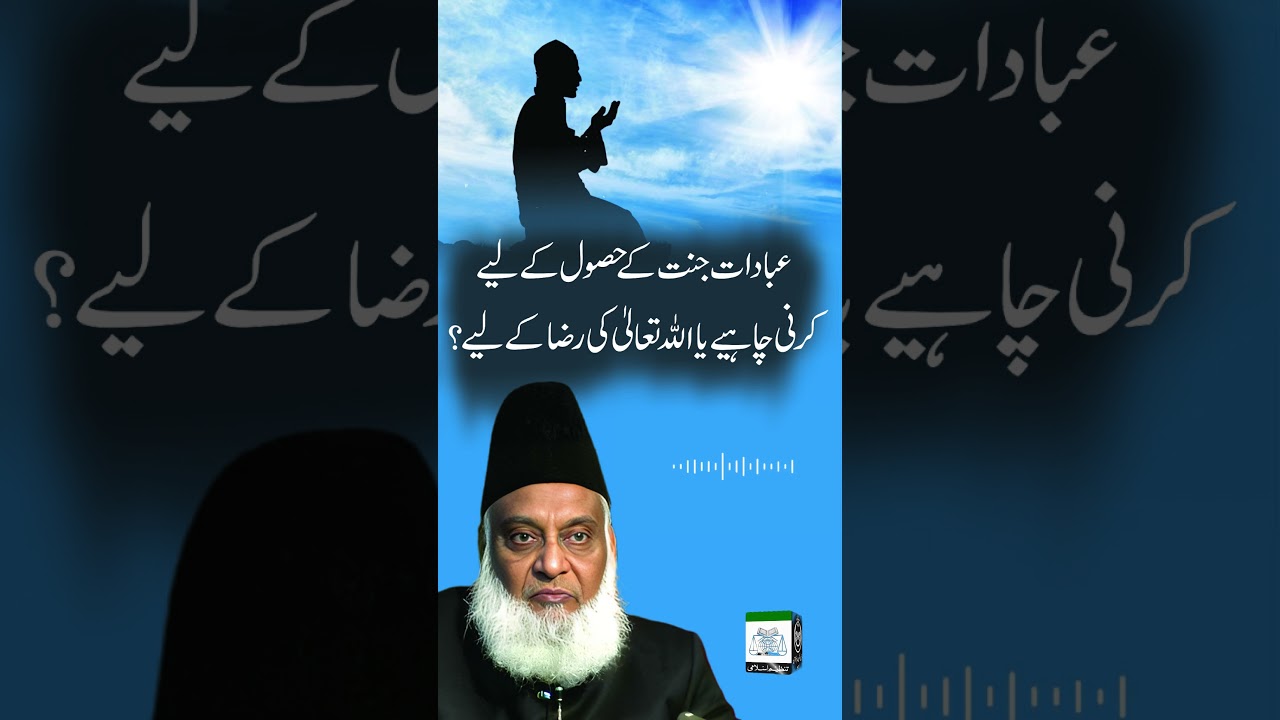
Worship should ideally be performed for the pleasure of God, though seeking salvation from hell and entry into paradise is also commendable. While avoiding punishment and attaining heaven are positive goals, prioritizing God’s pleasure is superior. It is not wrong to ask for protection from hell and request paradise, as the Prophet Muhammad (peace be upon him) himself made these supplications. However, the ultimate aim should be to seek God’s approval above all else.
67

This lecture explores the Prophet Muhammad’s (peace be upon him) acknowledgement of uncertainty regarding the timing of divine victory. The Quranic verses cited reveal that even the Prophet did not know whether the promised events were imminent or distant. This highlights a crucial understanding: knowledge of the unseen rests solely with God. The lecture emphasizes that such knowledge is not granted to even the most revered messengers, and that uncertainty about the future is a natural human condition. The verses also suggest that trials and tribulations may be part of the divine plan, serving as both tests and opportunities for growth. The core message is acceptance of divine will and a focus on present action rather than speculation about the future.
45
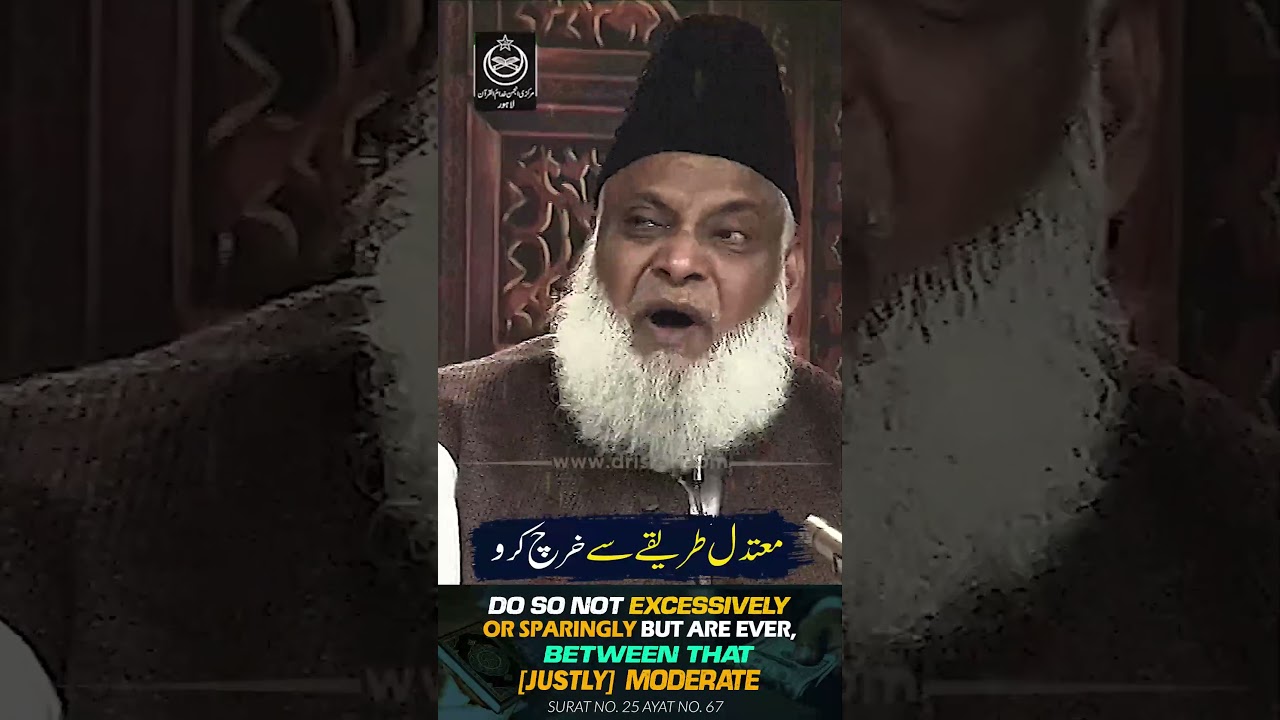
Extremism in charitable giving is undesirable. Intense emotion can lead individuals to impulsively donate all their wealth, potentially harming themselves. The Quran and the teachings of the Prophet emphasize the necessity of balance in spending. The verse from Surah Al-Furqan highlights that true believers spend neither stingily nor wastefully, but maintain a moderate course between these extremes. This approach ensures both the well-being of the giver and the effective distribution of resources to those in need. It’s crucial to consider consequences and adopt a reasoned approach to charity.
60
