Shorts
This lecture emphasizes the importance of fulfilling obligations to God and humanity. It stresses standing firm for justice and truth, and adhering to divine guidance as outlined in the Quran and previous scriptures. The speaker highlights the interconnectedness of rights – those owed to God, the Prophet, and fellow human beings. A crucial aspect is the responsibility to understand and reflect upon the scriptures received, particularly the Quran, Torah, and Gospel, and to act upon their teachings. The message underscores that true communication with God requires commitment to justice and adherence to revealed knowledge.

72
This lecture emphasizes the importance of humility and righteous actions as essential components of faith. True believers do not boast or consider themselves superior. Instead, they recognize themselves as part of the larger Muslim community and maintain a humble disposition. Just as a fruit-laden branch bends low, those blessed with good deeds should exhibit modesty. Condescension towards others negates the impact of one's message. The speaker advocates for hating sin, not the sinner, recognizing that individuals struggling with wrongdoing are in need of compassion and treatment, not condemnation. True believers show empathy and understanding towards those who err, understanding them as patients in need of care.
54
Human beings can attain knowledge of fundamental truths about the universe through their innate nature (sound disposition) and sound intellect, without requiring external revelation. A pure nature, free from corruption, combined with an intellect unburdened by arrogance or prejudice, allows one to perceive the existence of a Creator. This Creator possesses all attributes of perfection, is free from all flaws, and is the ultimate Sustainer. This inherent understanding arises from self-reflection and rational thought, guiding individuals to recognize the divine through their own faculties.
61
Human life is inherently filled with hardship, regardless of socioeconomic status. Those who have left their homes face particular struggles, but even the wealthy experience a different kind of toil – mental anguish. While physical labor may be less prevalent among the affluent, they often rely on tranquilizers and sleep aids to cope with stress. In contrast, a laborer, after eight hours of physical work, achieves natural, restorative sleep. True peace of mind and contentment are elusive, manifesting as either physical or mental strain for everyone.
91
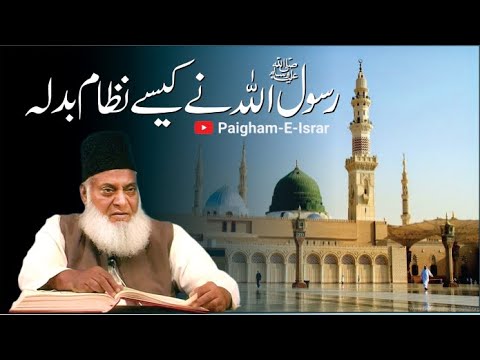
Dr. Israr Ahmad discusses the true nature of revolution as exemplified by the life of the Prophet Muhammad (peace be upon him). He emphasizes that genuine change doesn’t come through mere promises or superficial reforms, but through a comprehensive process of spiritual purification (tazkiya), organization, and unwavering commitment to establishing justice. He explains that this involves a disciplined, morally upright society prepared to challenge oppressive systems and establish a just order, guided by divine principles. He highlights the historical attempts at reform and the necessity of a strong, dedicated leadership committed to implementing Islamic principles in all aspects of life. The lecture also touches on the difference between implementing Sharia at a micro and macro level, and the historical precedent of Sharia being implemented for over a thousand years.
70
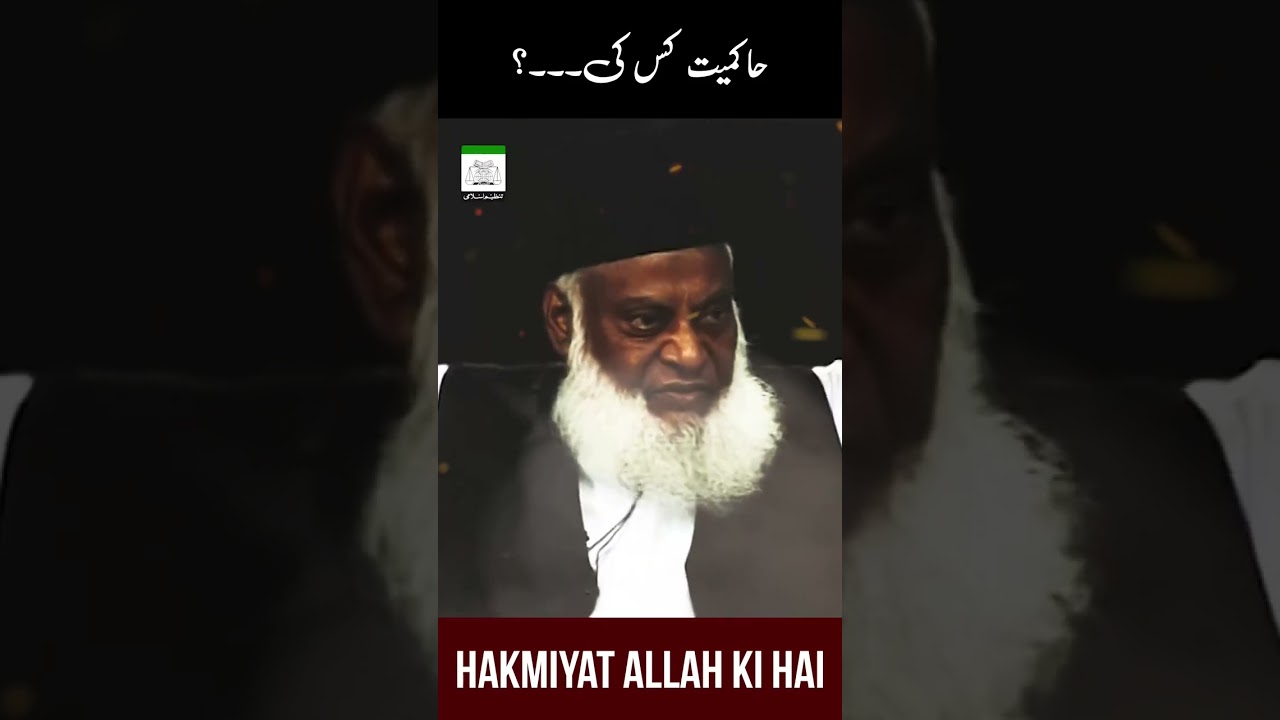
Human sovereignty is fundamentally flawed and unacceptable in Islam. True authority and governance belong solely to Allah. Any claim to sovereignty by individuals, whether pharaohs or tyrants, represents impurity and disbelief. The concept of human rule is akin to a massive, pervasive filth that cannot be cleansed, even if distributed across all of society. Islamic monotheism (Tawhid) centers on recognizing Allah as the ultimate and only sovereign.
58
