ショーツ
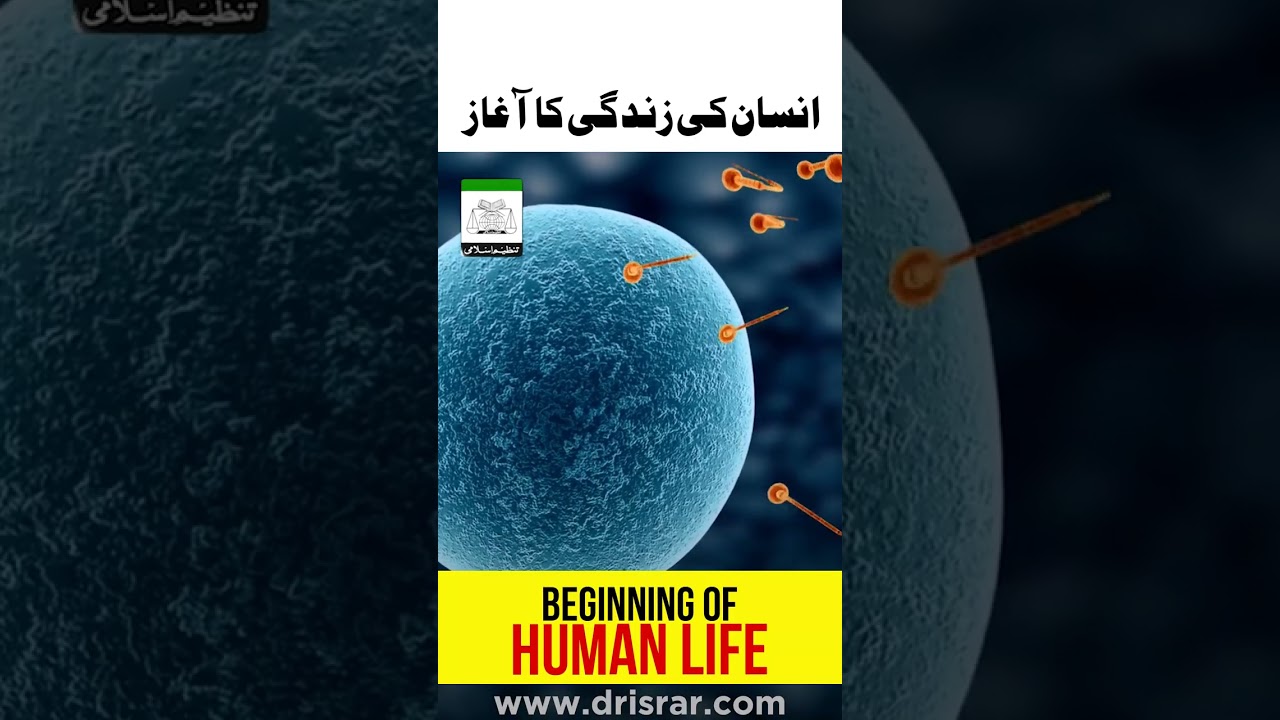
Modern microscopic observation confirms the Quranic description of human origins as detailed in Surah Qiyamah. The verse referencing the initial state as ‘nutfa’ (a drop) aligns with scientific understanding of fertilization. Microscopic analysis reveals the active, living spermatozoa originating from the male contribution, demonstrating life’s commencement at conception. The video elucidates that life does not begin 120 days after fertilization, but from the very beginning, supporting the Quranic account.

68
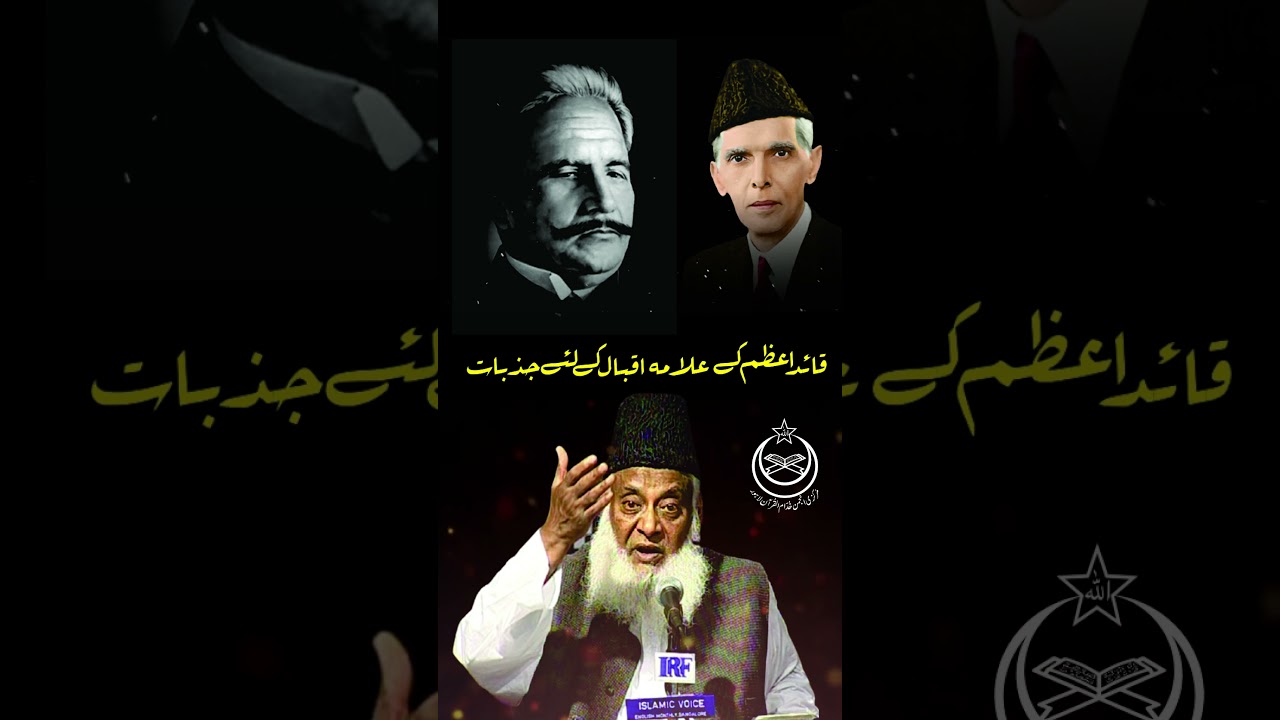
This lecture discusses the precise and deliberate manner of speech employed by Muhammad Ali Jinnah. It highlights that Jinnah was not one to engage in frivolous talk, but rather carefully considered each word before speaking. The speaker emphasizes Jinnah's commitment to accuracy and thoughtfulness in his communication, contrasting it with superficial rhetoric.
76
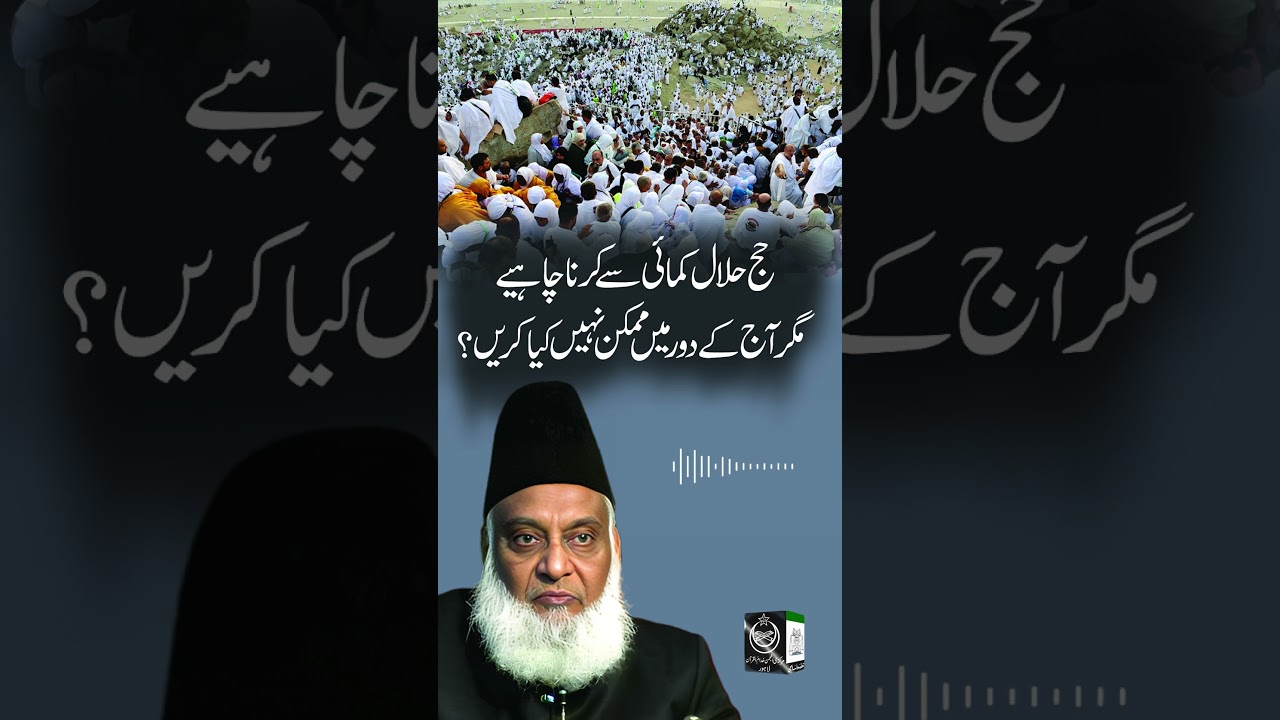
Performing Hajj and other religious obligations requires wealth earned through lawful means. Acquiring purely halal income is challenging in modern times due to pervasive indirect involvement with interest. Ambient interest exists in the air we breathe and the food we consume, which is considered a general impurity and doesn’t necessarily invalidate a transaction. Direct involvement, such as taking loans with interest to build homes or businesses, or depositing money to earn interest, is unequivocally forbidden. However, unintentional mistakes are forgivable, as God is Merciful and Pardoning. Focusing on acquiring halal income and avoiding strictly prohibited actions is paramount.
64
This lecture emphasizes the importance of actively listening to guidance and striving for the highest standards in faith. It contrasts a worldly acceptance of ‘good enough’ with the Islamic imperative to continually improve and pursue excellence ('ihsan'). The speaker highlights that faith is not static, progressing from Islam to Iman to Ihsan, and encourages listeners to adopt a mindset of continuous improvement in their spiritual journey. Accepting minimum requirements is discouraged; instead, a commitment to the best possible path is advocated.
74
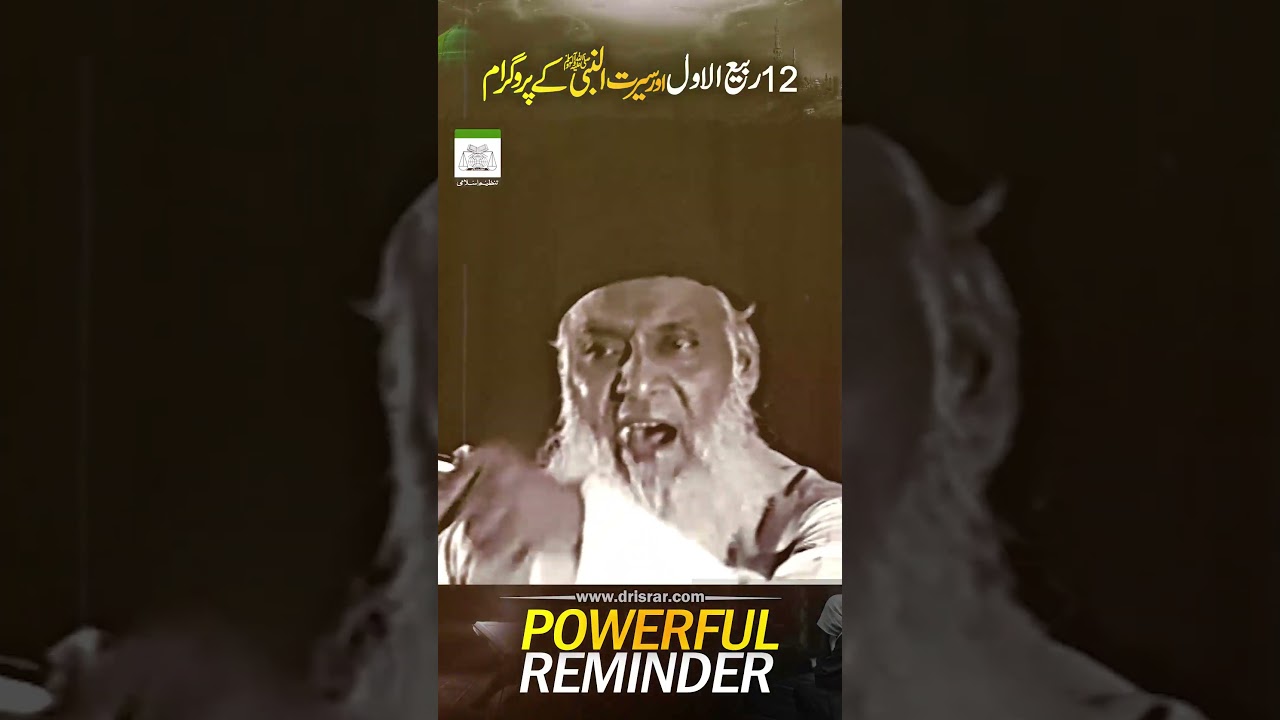
The month of Rabi ul Awwal holds deep significance in the life of the Prophet Muhammad (peace be upon him). His birth and death both occurred in this blessed month, though the exact date of his birth is debated, with many scholars suggesting the 9th of Rabi ul Awwal. Historically, the 12th of Rabi ul Awwal was observed as a day of remembrance of his passing, involving charitable acts. Over time, this has evolved into a celebratory event. While the original Islamic festivals have diminished in prominence, new observances like Mawlid al-Nabi and Pakistan Independence Day have gained greater visibility. The Prophet’s arrival in Medina also occurred in Rabi ul Awwal. Focusing on the life and teachings of the Prophet during this month, without fixating on specific dates, encourages reflection, practical application, and emulation of his example, potentially offering solutions to contemporary problems.
49

This lecture explores the Prophet Muhammad’s (peace be upon him) acknowledgement of uncertainty regarding the timing of divine victory. The Quranic verses cited reveal that even the Prophet did not know whether the promised events were imminent or distant. This highlights a crucial understanding: knowledge of the unseen rests solely with God. The lecture emphasizes that such knowledge is not granted to even the most revered messengers, and that uncertainty about the future is a natural human condition. The verses also suggest that trials and tribulations may be part of the divine plan, serving as both tests and opportunities for growth. The core message is acceptance of divine will and a focus on present action rather than speculation about the future.
45
