Shorts
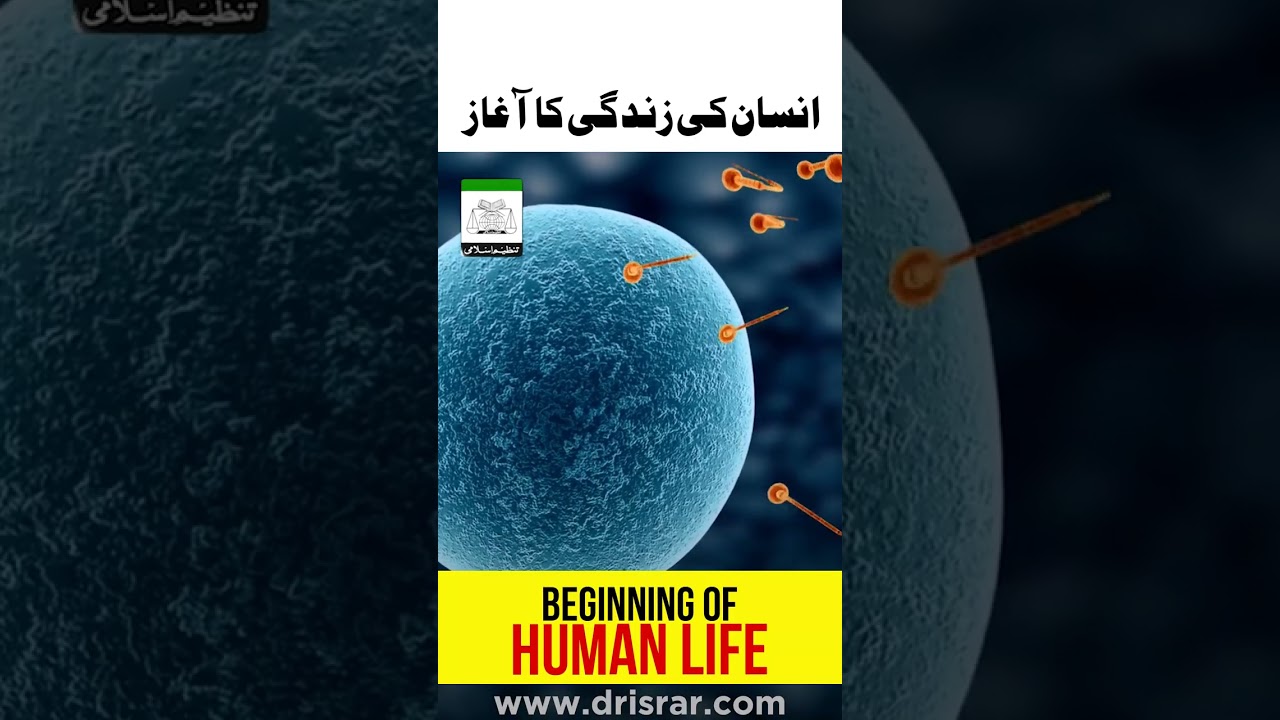
Modern microscopic observation confirms the Quranic description of human origins as detailed in Surah Qiyamah. The verse referencing the initial state as ‘nutfa’ (a drop) aligns with scientific understanding of fertilization. Microscopic analysis reveals the active, living spermatozoa originating from the male contribution, demonstrating life’s commencement at conception. The video elucidates that life does not begin 120 days after fertilization, but from the very beginning, supporting the Quranic account.

68

The lecture discusses the practice of adorning sacrificial animals with silk cloths and parading them, deeming it a display of wealth rather than a spiritually meaningful act. True sacrifice, it emphasizes, should stem from inner piety and submission to God. The speaker highlights that genuine devotion lies in humility and sincere worship, referencing the verse encouraging the Prophet to give glad tidings to those who are humble before God. The focus is on the internal state of the worshiper, not outward show.
60

This lecture elucidates the profound depth of Ghalib’s poetry, asserting it transcends mere artistic expression to become a vessel of divine communication. The speaker argues that each word chosen by Ghalib is deliberate and laden with meaning, functioning as a key to unlocking a treasury of wisdom. He draws parallels between Ghalib's verses and the Quran, emphasizing the significance of every letter and its connection to knowledge, philosophy, and spiritual insight. Ghalib’s poetry is presented not as exaggeration, but as a carefully constructed system of symbolic representation, revealing layers of hidden truths and divine guidance.
70
This lecture emphasizes that propagating the message of Islam is no longer the sole responsibility of prophets, but a collective obligation incumbent upon the entire Muslim community. It argues that Muslims must actively convey the faith through their actions and outreach, becoming living examples of its principles. Failure to do so will result in a negative testimony on the Day of Judgment, with the community being held accountable for not upholding the legacy of the Prophet. The speaker stresses that establishing a clear argument for faith before all of humanity is a fundamental duty, requiring dedication of resources and abilities to effectively spread the message of Islam.
219
The lecture addresses the permissibility of naming someone 'Akbar'. It clarifies that the name 'Akbar' in itself does not equate to the name of God, as 'Allah Akbar' is a specific phrase denoting God’s greatness. The name 'Akbar' becomes associated with God only when prefixed with 'Al-' (the definite article). Therefore, using 'Akbar' as a personal name is permissible, as it does not inherently invoke the divine name without the necessary prefix.
90

Islam’s core principle is the absolute oneness of God (Tauheed). All forms of goodness, righteousness, and guidance stem from this central belief, representing branches, leaves, and blossoms of a blessed tree. Conversely, evil, sin, and error—whether in belief, thought, or action—are rooted in *shirk*—associating partners with God—and represent the branches of a poisonous tree. Every negative element, in any form, ultimately connects back to this fundamental deviation from pure monotheism.
46
