Korte broek
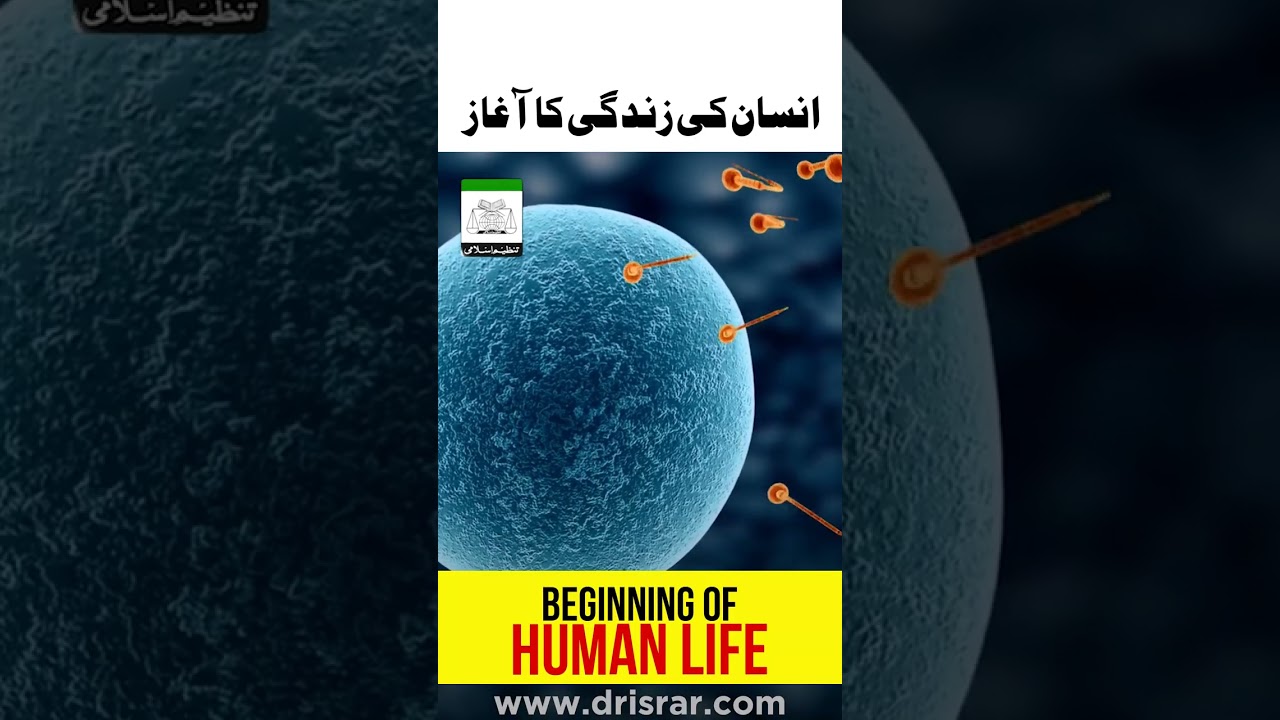
Modern microscopic observation confirms the Quranic description of human origins as detailed in Surah Qiyamah. The verse referencing the initial state as ‘nutfa’ (a drop) aligns with scientific understanding of fertilization. Microscopic analysis reveals the active, living spermatozoa originating from the male contribution, demonstrating life’s commencement at conception. The video elucidates that life does not begin 120 days after fertilization, but from the very beginning, supporting the Quranic account.

68
Historically, exploitative systems thrived where rulers demanded half of the agricultural yield from laborers, funding lavish lifestyles and standing armies to suppress dissent. This system, characterized by forced charity and religious manipulation, contrasted sharply with the Islamic concept of Zakat, intended for the welfare of the poor, not the enrichment of rulers. The lecture details how Islam eradicated this exploitative feudalism, replacing it with a system prioritizing social justice and equitable distribution of wealth.
59
Interest (riba) and illicit relationships are major sins in Islam, both considered haram (forbidden). This lecture details the severity of riba, framing it as a declaration of war by God. The speaker emphasizes that even the smallest involvement in riba is comparable to a grave sin. The discussion highlights the comprehensive nature of Islamic law, which demands adherence to the Quran and the teachings of the Prophet Muhammad.
79
This lecture addresses the hypocrisy of requesting guidance from the Quran while simultaneously rejecting its comprehensive system of life. The speaker argues that simply reciting the Quran or making supplications based on its verses is insufficient if one isn’t prepared to fully embrace its principles and implement them in all aspects of life. True acceptance of the Quran as a guide, or *Imam*, requires a commitment to establishing its complete framework, not merely selective adherence. Prayers offered without this genuine commitment are deemed ineffective and ultimately rejected.
111
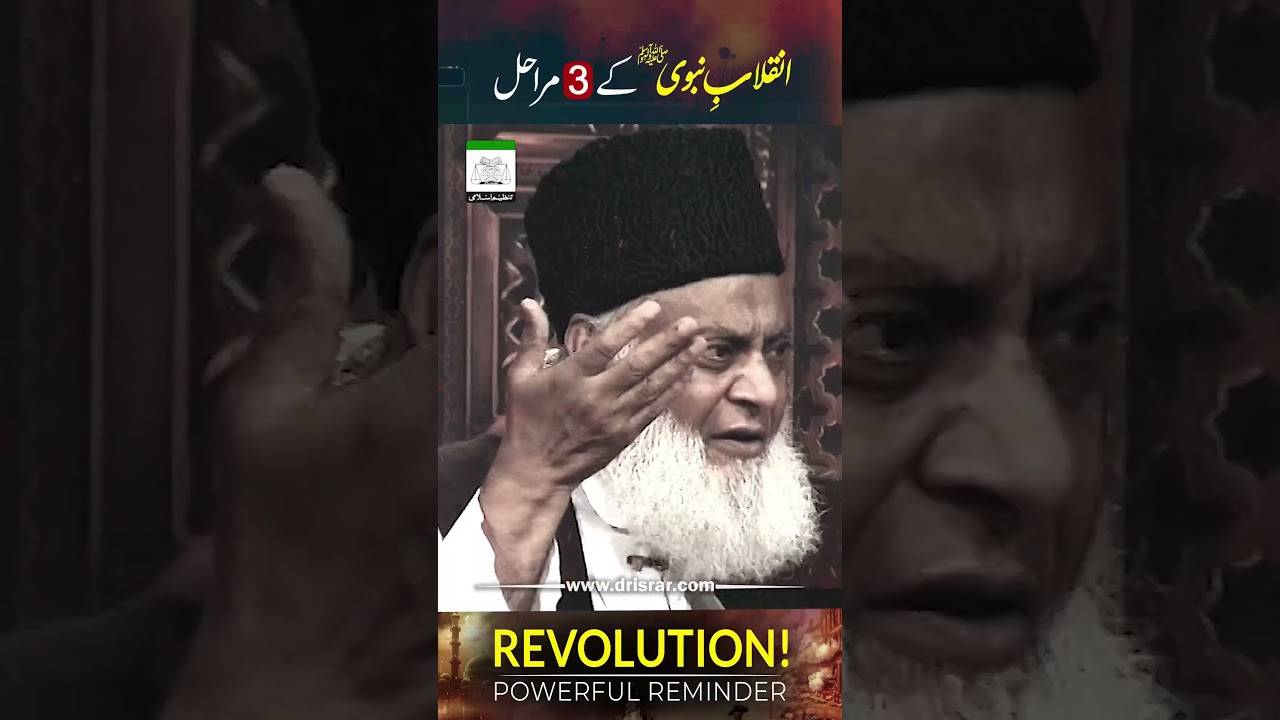
This lecture outlines a three-stage approach to societal change, emphasizing initial passive resistance and endurance of persecution. The speaker stresses avoiding violence until sufficient strength is attained, then advocates for active, non-violent challenges to the existing system. The final stage involves decisive action, guided by the example of the Prophet Muhammad. The core message is a progression from patient suffering to assertive, yet peaceful, resistance, culminating in transformative change.
42
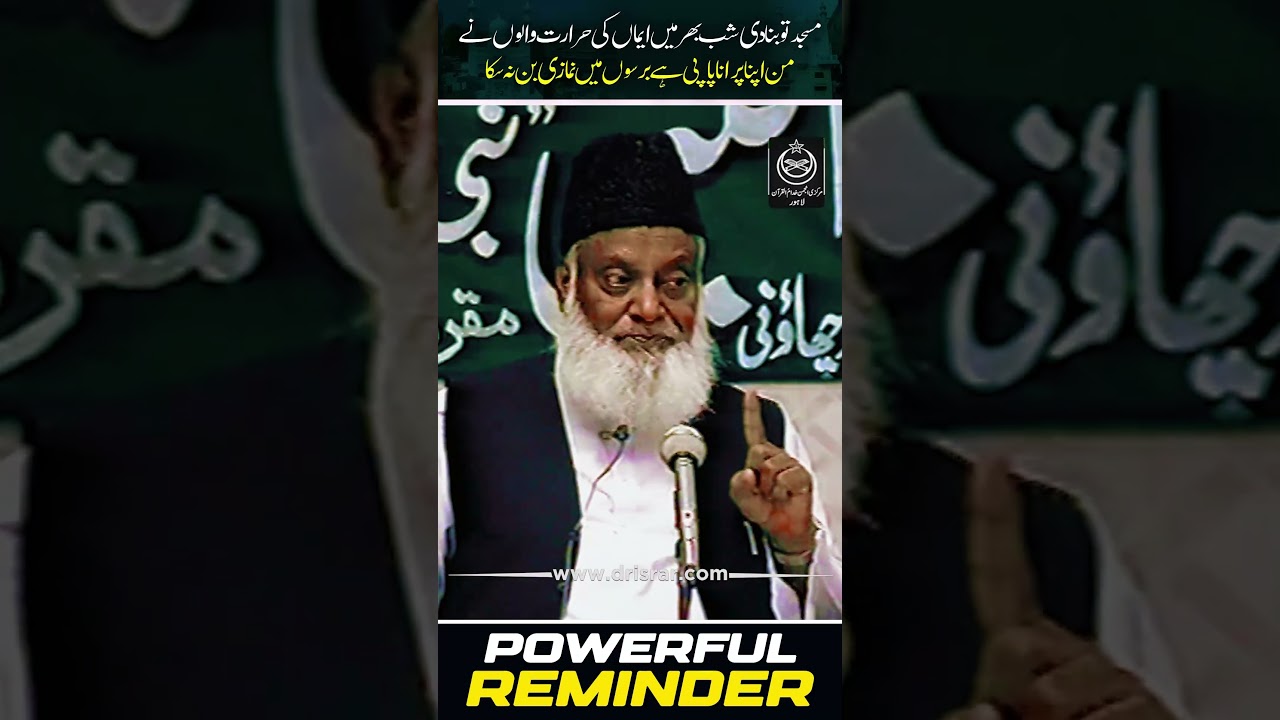
This lecture emphasizes that true religious devotion requires personal piety and the practical implementation of faith within one’s own life and sphere of influence. The speaker cautions against merely constructing physical structures like mosques without concurrent self-improvement and organized, constructive action. He warns that disorganized groups can cause disruption and impede meaningful progress. The core message is that establishing faith within oneself and one’s immediate surroundings is the foundational step before attempting wider religious work.
68
