Kratke hlače

This lecture discusses the foundational principles of Pakistan’s political system, highlighting its historical roots in British parliamentary democracy. It emphasizes the concept of a shared national identity encompassing both Muslims and non-Muslims, established during the creation of Pakistan. The speaker points out that despite establishing Pakistan with a different vision, the country largely retained the British parliamentary system. The lecture examines the perception that this system was considered divinely ordained, leaving little room for alternative models and solidifying its place as the established political norm.

79
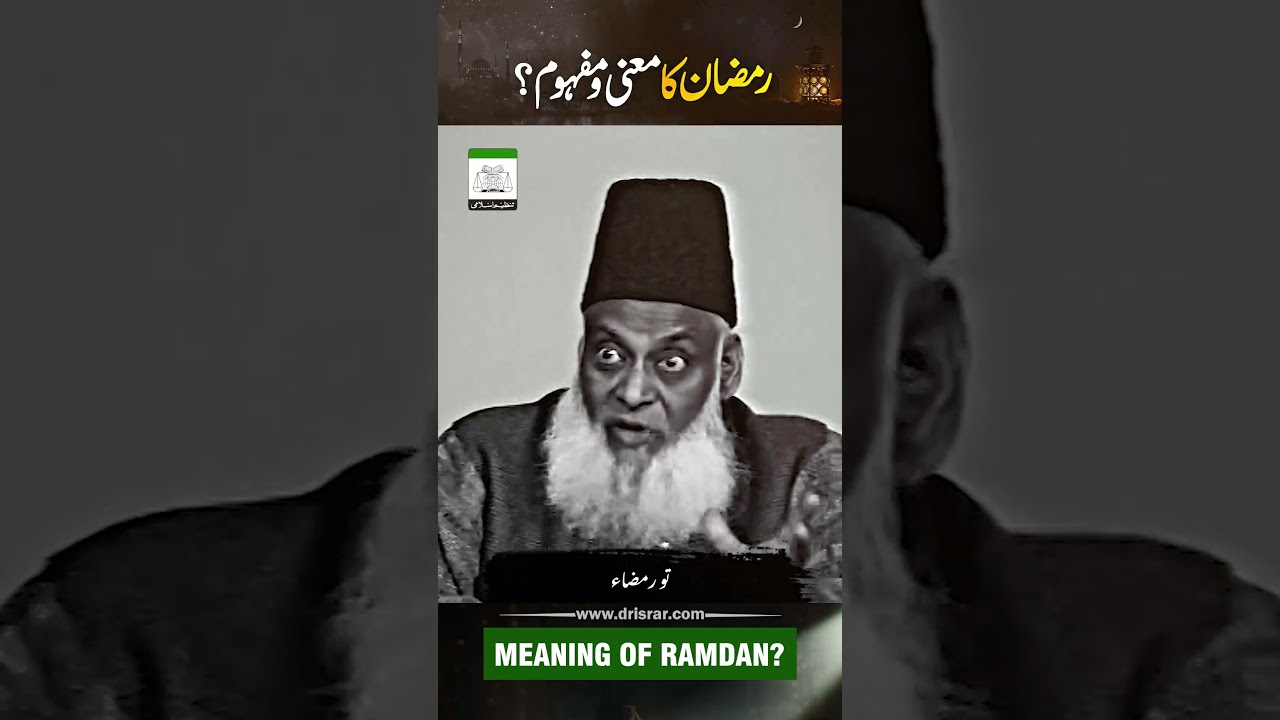
The name Ramadan originates from the intense heat that once prevailed in Arabia, causing hardship and even death. People perceived this time as one where purification occurred naturally. The month of Ramadan was thus associated with cleansing and seen as a period where accumulated impurities within the human body were naturally eliminated. The practice of fasting was ordained by God to facilitate this process. Another interpretation connects the name Ramadan to one of God’s names, signifying ‘the month of God.’ This is supported by a tradition of the Prophet Muhammad, who identified Sha’ban as his month and Ramadan as God’s month.
65
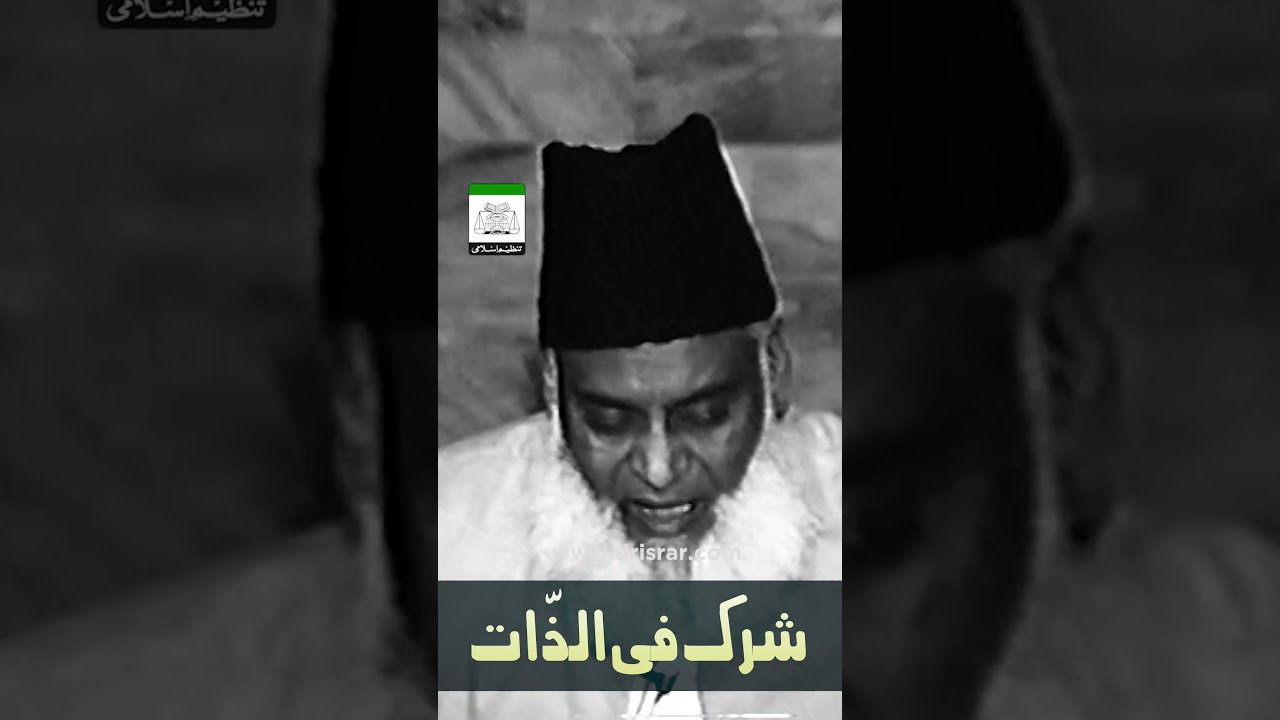
This lecture addresses the grave sin of associating partners with God, specifically the pre-Islamic Arabian practice of assigning gender to God and believing in divine offspring. It highlights how attributing progeny to Allah is the most egregious form of *shirk*. The discussion condemns the notion of God having sons and daughters, referencing the verse about God's displeasure with angels who assigned gender to Him. The lecture emphasizes the immense audacity of such a claim and warns against its consequences.
47

This lecture emphasizes prioritizing investment in the afterlife over worldly possessions. It explains that material wealth is vulnerable to loss and decay, whereas rewards in the afterlife are secure and immeasurably greater. The speaker contrasts the limited returns of earthly banks with the infinite blessings of divine investment. He warns against attachment to worldly wealth, which distracts the soul and hinders spiritual growth, and encourages listeners to focus on accumulating rewards that endure eternally. The lecture draws a parallel between where one’s wealth is stored and where one’s heart resides, suggesting that focusing on the afterlife frees the soul and draws it closer to God.
66

This lecture details three categories of people whose prayers are not accepted by God. These include a man who remains with a wife of bad character but refuses divorce, an individual who entrusts wealth to a foolish person despite divine prohibition, and a person who has a debt outstanding but did not establish proper witnesses. God will not answer the prayers of such individuals.
53

This lecture emphasizes the importance of complete submission to God and consistently living in a state of obedience. It cautions against even a moment of disobedience, highlighting the unpredictability of death and urging constant vigilance. The speaker stresses that death can arrive at any moment, even during sinful acts, making continuous self-accountability and adherence to divine commands paramount. The message encourages a life lived with awareness of mortality and a commitment to unwavering obedience.
293
