السراويل القصيرة
This lecture discusses the foundational principles of Pakistan’s political system, highlighting its historical roots in British parliamentary democracy. It emphasizes the concept of a shared national identity encompassing both Muslims and non-Muslims, established during the creation of Pakistan. The speaker points out that despite establishing Pakistan with a different vision, the country largely retained the British parliamentary system. The lecture examines the perception that this system was considered divinely ordained, leaving little room for alternative models and solidifying its place as the established political norm.

79
The loss of modesty (hayā) correlates directly with a decline in faith (īmān). This internal restraint, a natural human quality instilled by God, protects individuals from immoral acts. When this protective barrier is removed through sin, such as adultery, internal restrictions dissolve, leading to unrestrained behavior and a visible deterioration of character. The natural human quality of modesty is an integral part of faith; its absence reveals inner corruption, much like the discharge from a festering wound.
61
This lecture emphasizes the value of sufficiency over abundance. It highlights that having limited resources, but being content and self-reliant, is preferable to having plenty while being heedless and dependent on others. The core message is that fulfilling basic needs with dignity is superior to living a life of extravagance and reliance on external support. True well-being lies in avoiding debt and maintaining independence, even with modest means. Contentment and self-sufficiency bring peace of mind and protect one from humiliation.
82
This lecture discusses the importance of prioritizing the afterlife over worldly pursuits. It emphasizes that those solely focused on immediate gains neglect the true purpose of life. The speaker highlights that fulfilling parental duties, like maintaining their graves, is commendable but ultimately secondary to striving for eternal reward. The core message centers on verses from Surah Bani Israel, detailing the swift provision of worldly desires for those who seek them, contrasted with the enduring reward promised to those who dedicate themselves to the hereafter and consistently strive for it. The lecture underscores the difference between immediate gratification and lasting spiritual fulfillment.
42
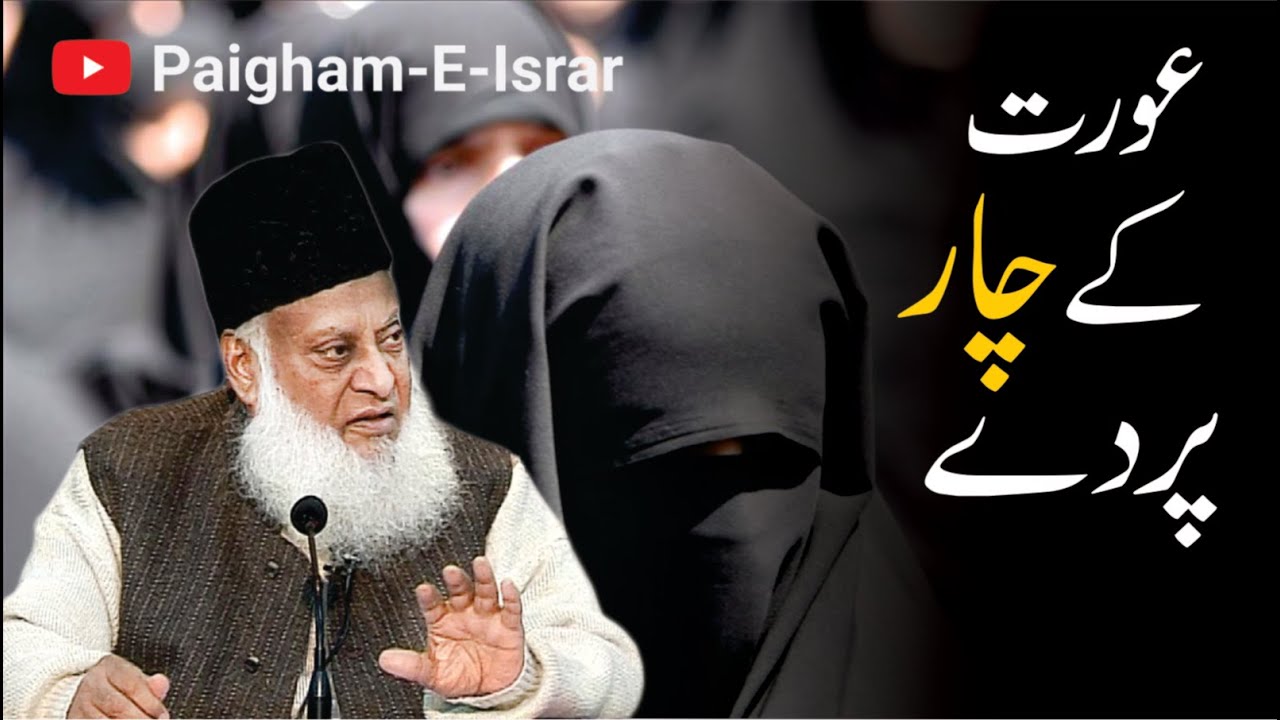
This lecture details the four levels of modesty (pardah) prescribed in Islam. The first level involves segregation of genders in social settings. The second concerns appropriate attire when leaving the home, evolving from the jilbab to the burqa for increased ease and protection. The third level restricts access to the home to only close male relatives (mahram). Finally, the fourth level mandates covering the entire body even before mahram relatives, leaving only the face, hands, and feet exposed. The speaker emphasizes that these principles are being eroded in modern times, representing a deliberate attack on Islamic teachings.
75
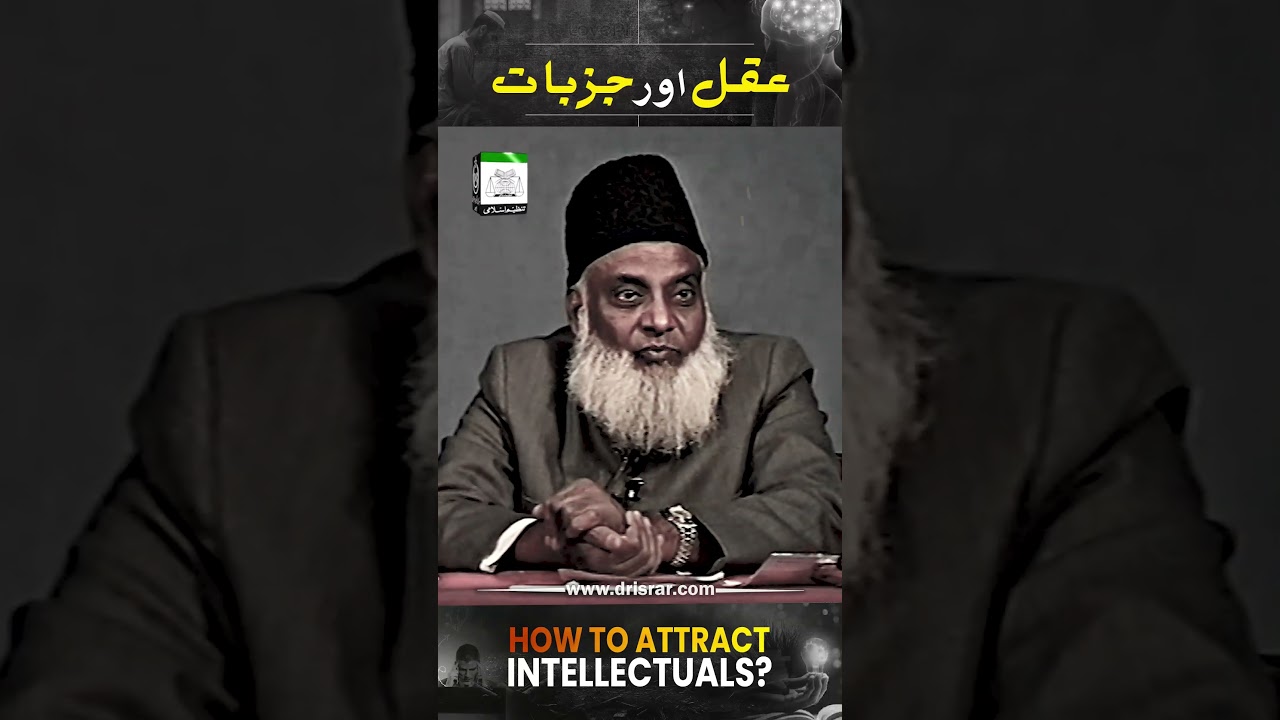
This lecture explores the crucial balance between intellect and emotion. It argues that while reason illuminates the path – defining goals and direction – it is passion that provides the impetus for action. The speaker uses the historical example of the *iqal* – a rope used by Arab Bedouins to tether their camels – to illustrate how limiting oneself to reason alone can stifle progress. The *iqal*, initially used to restrain the camel, became a symbol of freedom when moved to the owner’s head, signifying a readiness to embark on a journey. The lecture emphasizes that true progress requires both rational understanding and emotional drive, cautioning against being overly bound by practical considerations and societal expectations.
86
