শর্টস

This lecture details the Prophet Muhammad’s (peace be upon him) exceptional character, particularly his modesty and self-reliance. The narrative recounts how the Prophet never asked anyone for personal favors, even during the challenging time of migration to Medina. It highlights his foresight in preparing for the journey with the help of Hazrat Abu Bakr, ensuring swift transportation. The account further illustrates the Prophet’s humility, demonstrated by his willingness to perform even the simplest tasks himself, refusing to ask others for assistance. The lecture concludes with a powerful affirmation of support from his companions, declaring themselves ‘Ansarullah’ – helpers of God.

72

The Quran is presented as the direct connection, or ‘rope,’ between Allah and humanity. It’s the primary means of achieving nearness to Allah. This connection is twofold: one end is within our grasp, allowing us to act upon its guidance, while the other end is held by Allah, signifying divine support and blessing. The lecture emphasizes that the Quran is not merely a book, but a living pathway to spiritual closeness with Allah, offering guidance and facilitating a deep, personal relationship with the Divine.
135
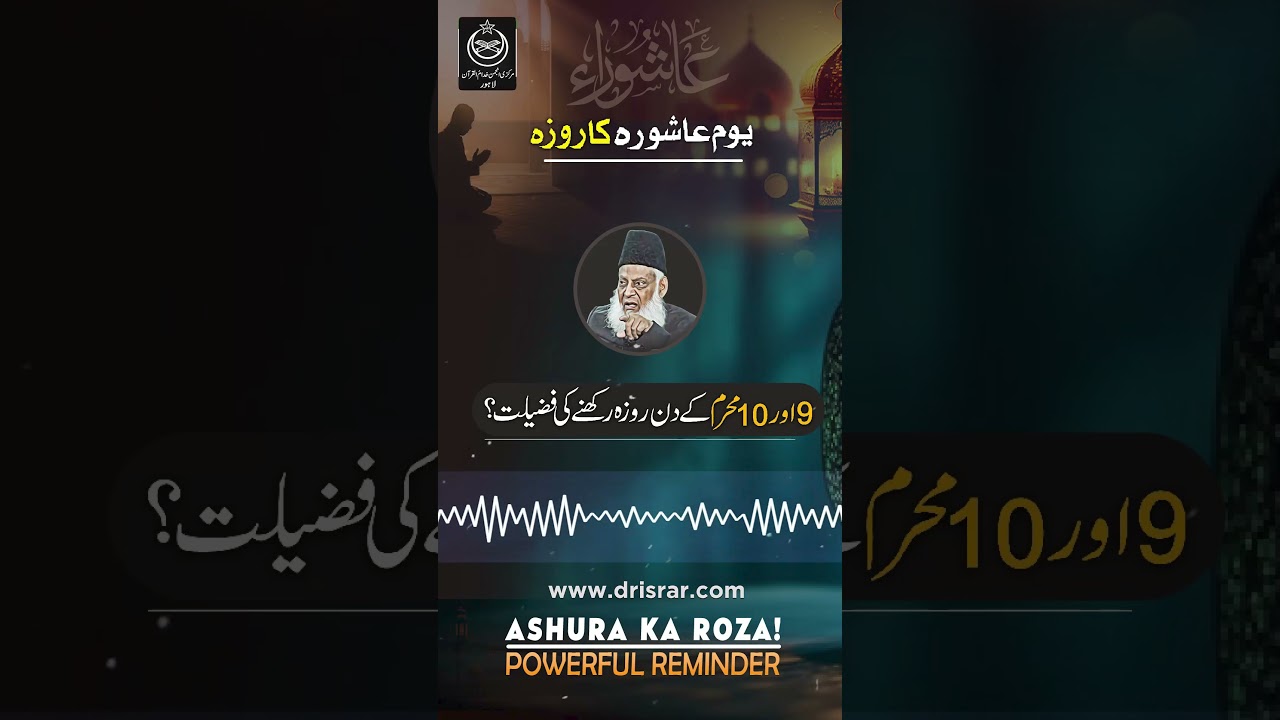
The observance of fasting on the 9th and 10th of Muharram is a recommended practice, not obligatory. This practice originated when the Prophet Muhammad learned that the Jews of Medina fasted on the 10th of Muharram to commemorate their deliverance from Pharaoh. The Prophet, affirming a greater connection to Moses, instructed his companions to fast for two days – the 9th and 10th – to distinguish the Muslim practice from that of the Jews. This two-day fast signifies a deliberate divergence from the Jewish tradition, while simultaneously honoring the historical event and recognizing the importance of Moses.
63

Allah tests nations with hardship to make them receptive to guidance. When people are comfortable, they are less likely to listen to truth. Divine strategy involves initial difficulty, followed by respite if they still refuse to heed the message. This pattern continues until a point of no return, after which blessings are withdrawn permanently. The lecture urges listeners to reflect on this cycle and to make the most of opportunities for positive change before it’s too late. It’s a warning against complacency and a call to embrace guidance while it’s available.
63

This video recounts an incident where Hazrat Ali’s armor was stolen and recovered from a Jewish man. Hazrat Ali, despite being the Caliph, appeared before the judge as a plaintiff. He corrected the judge for addressing him by his kunya (nickname) instead of his name, emphasizing that he was present as an ordinary litigant seeking justice, not as a figure of honor. When the Jewish man failed to produce valid witnesses beyond his son and slave, Hazrat Ali requested other witnesses. Upon failing to do so, the case was dismissed, leading the Jewish man to confess the theft. This highlights Hazrat Ali's commitment to justice and fairness, even when personally involved.
62
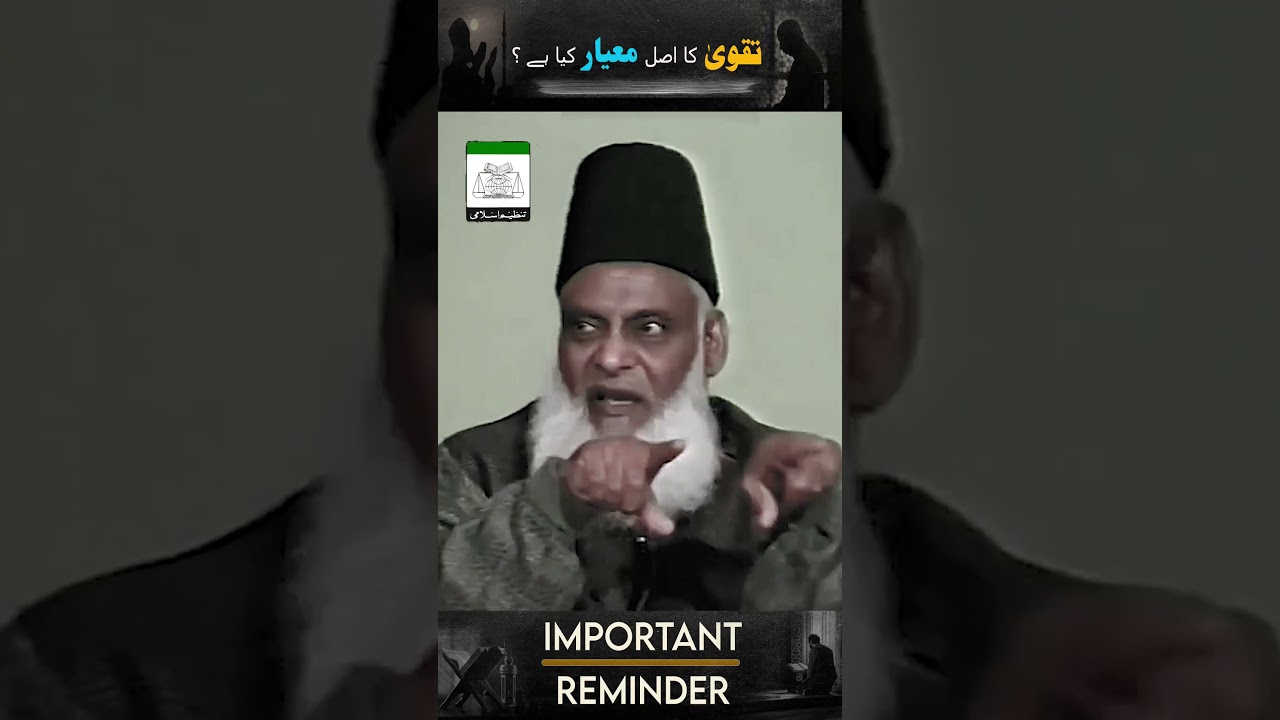
The lecture defines true piety (taqwa) as being fundamentally rooted in earning a lawful livelihood. Outward displays of religious observance – such as beard length, clothing style, or the performance of numerous prayers and vigil prayers – are meaningless if accompanied by the consumption of unlawful earnings. Any acts of worship performed with illegally obtained wealth are rendered null and void. The core test of piety lies in the purity of one's source of income.
50
