निकर
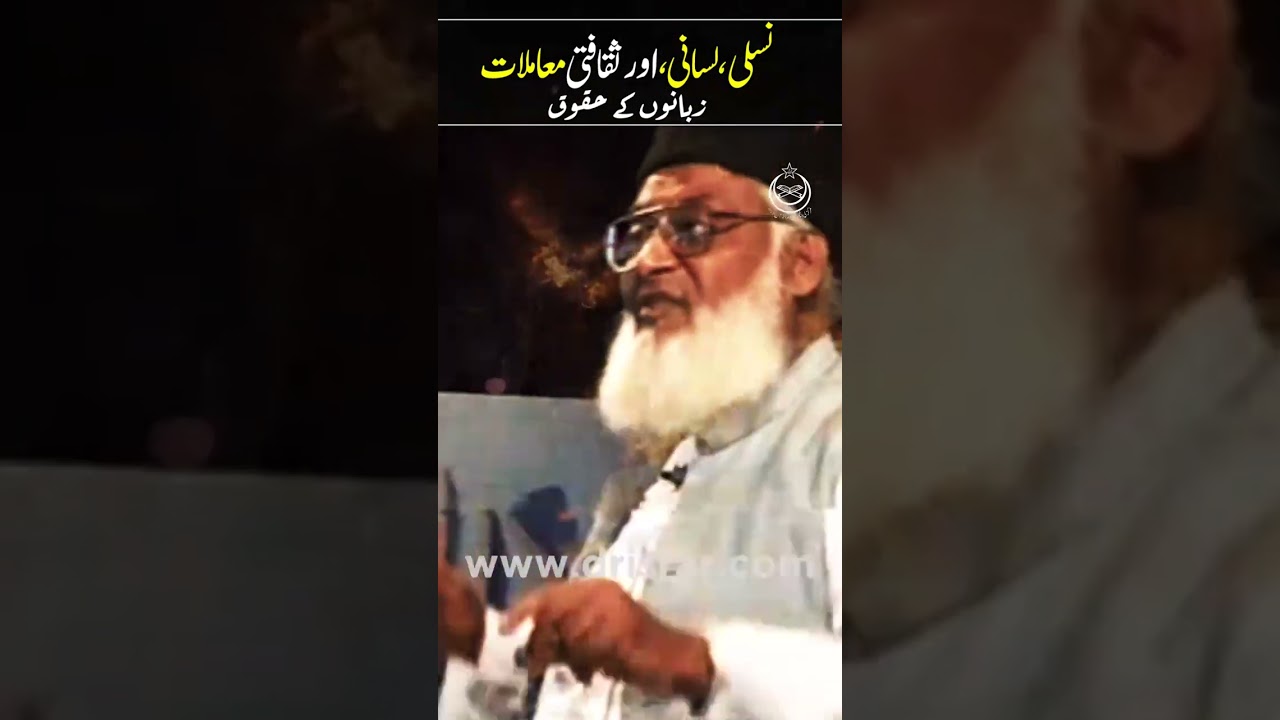
This lecture addresses the dangers of linguistic and cultural biases, clarifying that regional, ethnic, and linguistic identities are not inherently sinful. It emphasizes that every culture and language has a right to flourish, provided any elements conflicting with Islamic teachings are removed. The lecture highlights the unique status of the Arabic language not due to its speakers, but because it is the language of the Quran and the sayings of the Prophet Muhammad, making its study essential for direct understanding of religious texts. It cautions against exclusionary attitudes based on language or culture, likening such behavior to a useless tool.

63
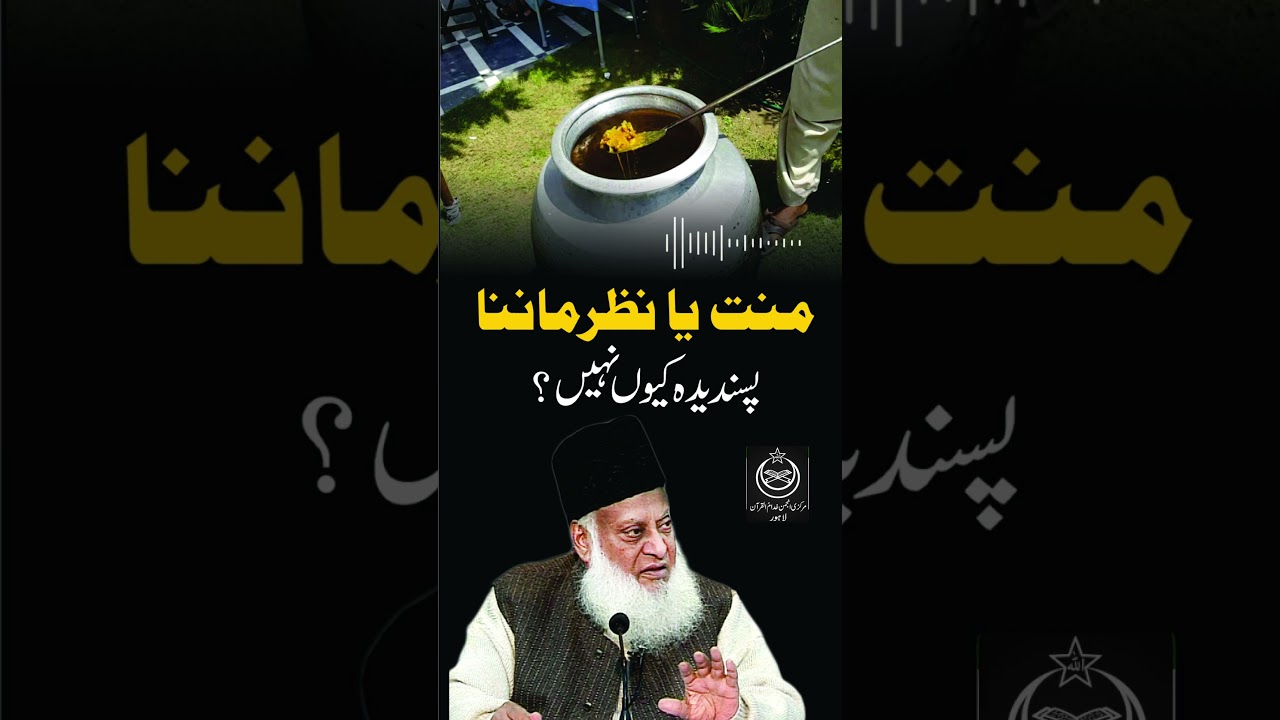
Dr. Israr Ahmad discusses the permissibility and desirability of gazing, clarifying that while not forbidden, it is personally discouraged. He explains that his disapproval doesn't obstruct legitimate interactions. He cites a divine decree stating that once Allah’s judgment concerning someone is established through observation, it remains unchanged, though He may draw sustenance from the miser's wealth to aid the needy. This decree effectively supersedes any further deliberation on the matter.
64

This lecture explains the collective responsibility of the Muslim community to propagate the message of Islam, building upon the prophetic mission. It emphasizes that after the finality of prophethood, this duty falls upon the entire Ummah. The core message is to first reconnect with faith and then extend its invitation to family, close relatives, and ultimately, all of humanity. The lecture highlights the importance of a collective strength within the Ummah to effectively convey the message and protect themselves and others from divine punishment. It stresses the need to prioritize personal and familial faith before extending outreach to a wider audience, echoing the Quranic instruction to warn close relatives first.
45
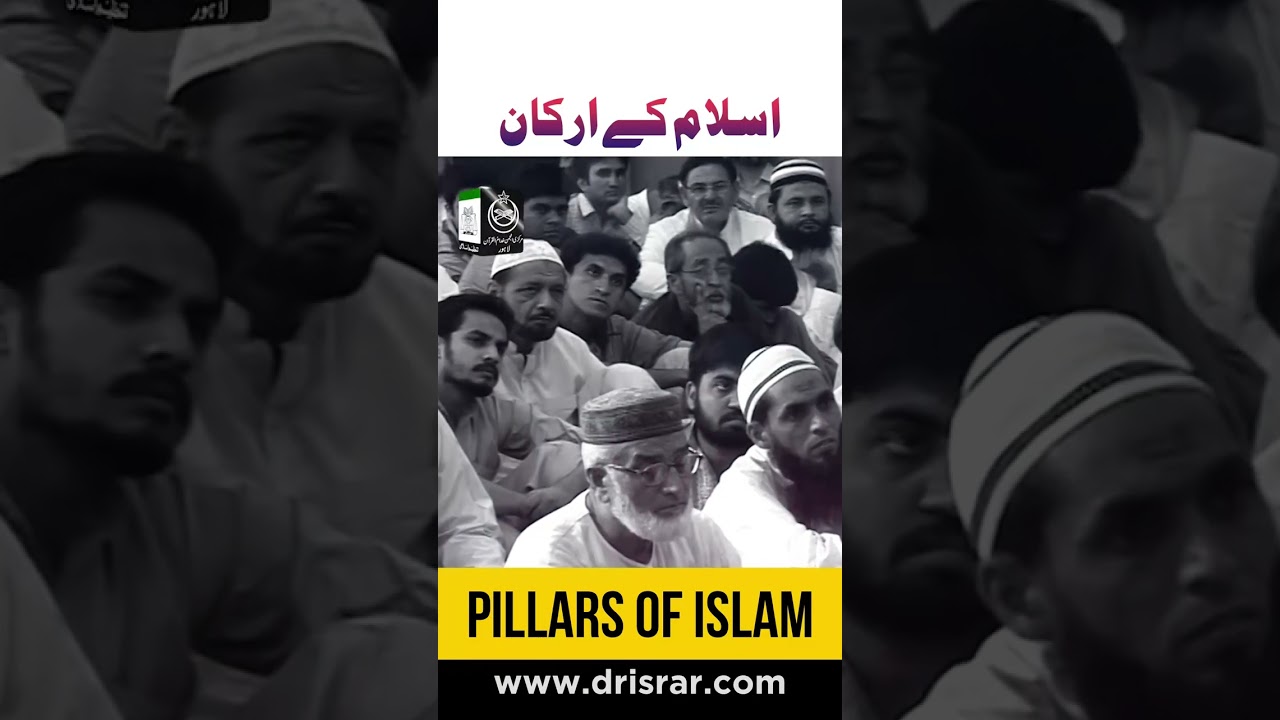
Islam establishes four fundamental pillars of faith and practice. Two are related to belief – the declaration of faith – and two are acts of worship: prayer and fasting, which are obligatory for all Muslims regardless of wealth or status. Zakat is required of those with financial means, while pilgrimage to Mecca is an obligation for those who possess the ability to undertake it. This lecture clarifies the scope and requirements of each pillar, differentiating between universally mandated acts and those dependent on individual capacity.
74
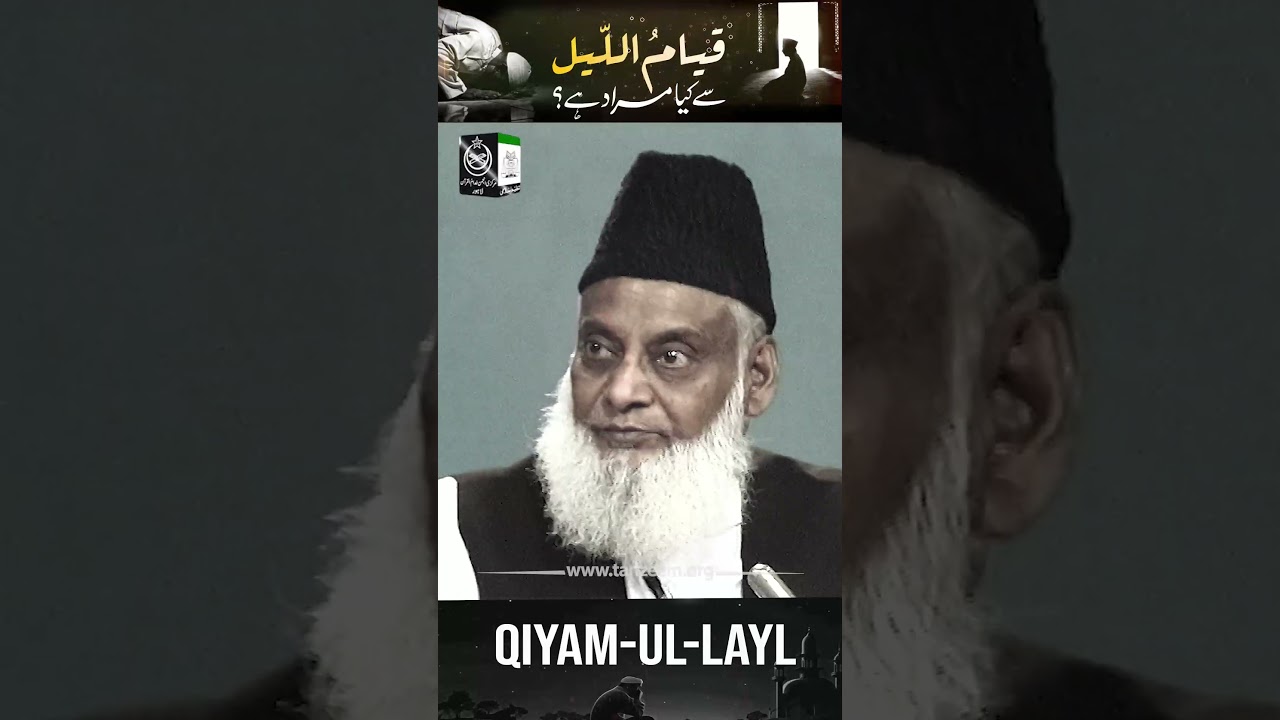
The text defines Qiyam ul Layl, or the night prayer, according to the Quran, specifically referencing Surah Al-Muzzammil. It clarifies that Qiyam doesn’t necessitate praying the entire night but can be fulfilled by praying for at least one-third of the night. The Quran acknowledges that the Prophet Muhammad and a group of his followers observed this practice, praying for varying durations – one-third, half, or two-thirds of the night. The verse highlights Allah's awareness of the Prophet’s devotion and the dedication of those who join him in this nightly worship. The minimum duration for fulfilling Qiyam, according to the interpretation, is one-third of the night.
160
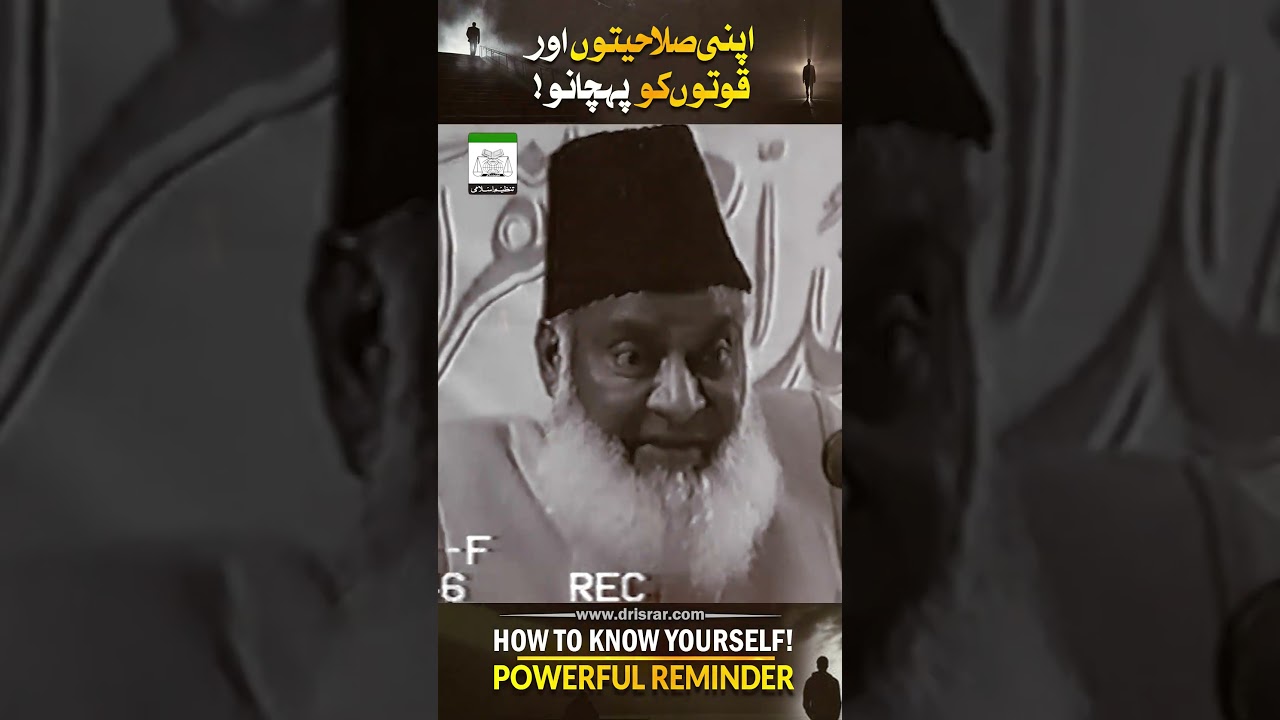
This lecture emphasizes the immense potential within humanity, created by God, and the inherent power residing within each individual. It argues that humans are unknowingly squandering their abilities by focusing solely on worldly pursuits. The speaker posits that if this innate power were directed towards recognizing and realizing the oneness of God, a profound transformation would occur, ultimately revealing divine glory. The core message stresses the importance of self-awareness and utilizing one’s capabilities for spiritual growth and the realization of God’s presence.
50
