Shorts
This lecture addresses the dangers of linguistic and cultural biases, clarifying that regional, ethnic, and linguistic identities are not inherently sinful. It emphasizes that every culture and language has a right to flourish, provided any elements conflicting with Islamic teachings are removed. The lecture highlights the unique status of the Arabic language not due to its speakers, but because it is the language of the Quran and the sayings of the Prophet Muhammad, making its study essential for direct understanding of religious texts. It cautions against exclusionary attitudes based on language or culture, likening such behavior to a useless tool.

63

Hazrat Umar Farooq established a land system where conquered territories weren't individually owned, but held in common trust by the Muslim community. Revenue generated from this land was designated for the welfare of Muslims, both contemporary and future generations. Those working the land, regardless of religion, were required to pay land revenue. This revenue-generating status of the land would remain perpetual, even under non-Muslim rule, and revert to its original status upon regaining independence.
64
This lecture explores the concept of spiritual and emotional healing as presented in the Quran, specifically referencing verses from Surah Yunus. It identifies the root causes of spiritual ailments – including disbelief, polytheism, arrogance, envy, and excessive attachment to worldly possessions like wealth, status, children, and life itself. The lecture emphasizes that these attachments are instigated by Satan and are the source of inner turmoil. It posits that true healing comes through recognizing and detaching from these harmful inclinations, leading to inner peace and spiritual well-being.
51
The advent of Muhammad ﷺ brought a complete transformation to all aspects of life. Existing beliefs, ideologies, individual personalities, and moral codes were fundamentally altered. Daily routines, social structures, political systems, and societal norms underwent a radical change. A nation previously characterized by widespread illiteracy became a beacon of knowledge and learning, becoming an educator for the world. It absorbed and developed sciences from both the East and West, disseminating them globally. This profound revolution dwarfs any other historical upheaval, including the French Revolution, in its scope and impact.
47
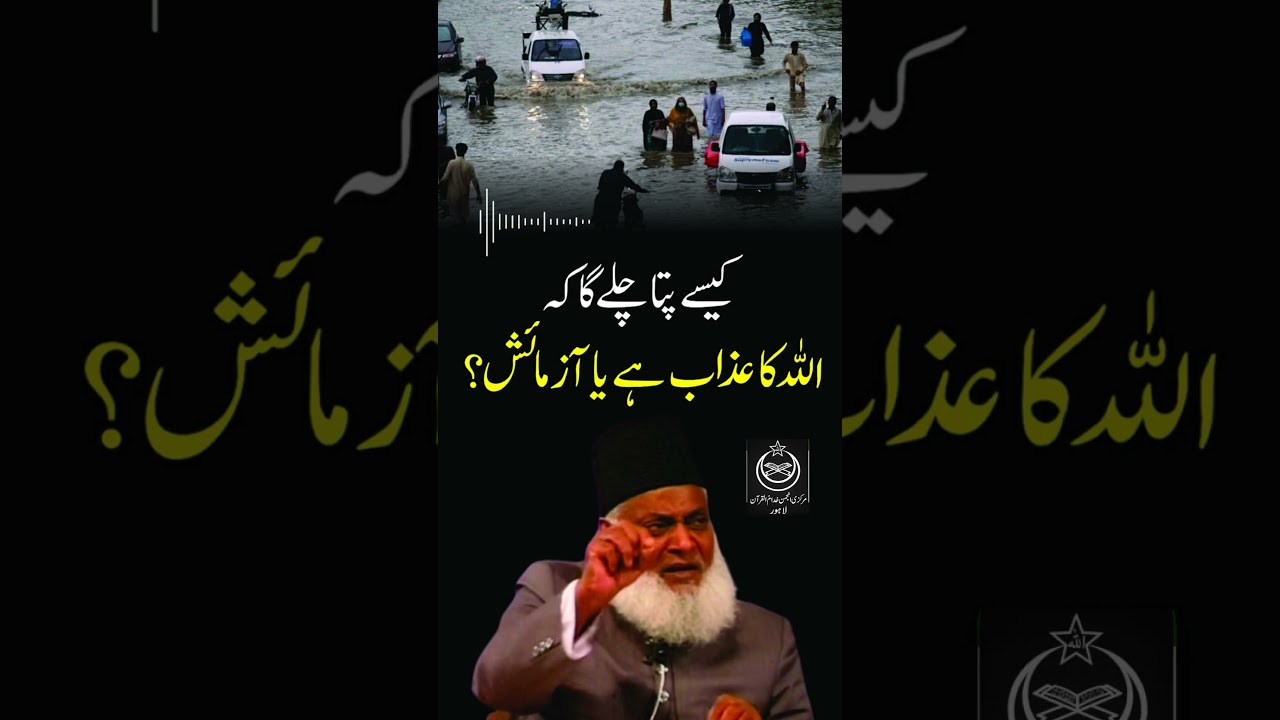
This lecture clarifies the distinction between trials (imtihan) and consequences (sada). It explains that both may appear similar externally, but the heart discerns their origin. Trials befall those striving on the righteous path, serving as tests from God. Consequences, however, stem from one’s actions. The heart will reveal whether a difficulty is a trial designed to elevate one’s status or a consequence requiring atonement. Recognizing this difference is crucial for spiritual growth and understanding divine justice.
55

This lecture explores the difference between superficial observation and true understanding. It asserts that animals perceive the external world, but humans possess the capacity to grasp the underlying reality of things. The speaker emphasizes that genuine vision comes from the heart, not merely the eyes, and seeks a deeper comprehension of existence, as exemplified in the prophetic supplication to see things as they truly are. True insight requires moving beyond appearances to grasp the essence of reality. The lecture highlights the importance of inner vision and spiritual understanding.
37
