Шорты
A traveler in the desert loses his camel, carrying all his provisions and means of transport. After a desperate search, he encounters death itself. Overwhelmed with relief, he proclaims gratitude to God for this encounter, recognizing his own insignificance and God’s grace. This parable illustrates the immense joy God feels when a sinful servant repents, exceeding even the joy experienced by the traveler at finding ‘death’.

64
This lecture explores the meaning of ‘Akbar’ as revealed in the initial verses concerning the prophethood. It emphasizes rising above complacency and recognizing the grandeur of God. The verses urge individuals to abandon their comfort and embrace a life dedicated to proclaiming the truth of resurrection and divine greatness. The core message centers on acknowledging God’s supremacy, establishing a system that reflects that greatness, and actively conveying this message to others. The lecture calls for a complete submission to God and a life lived in recognition of His power and majesty.
59
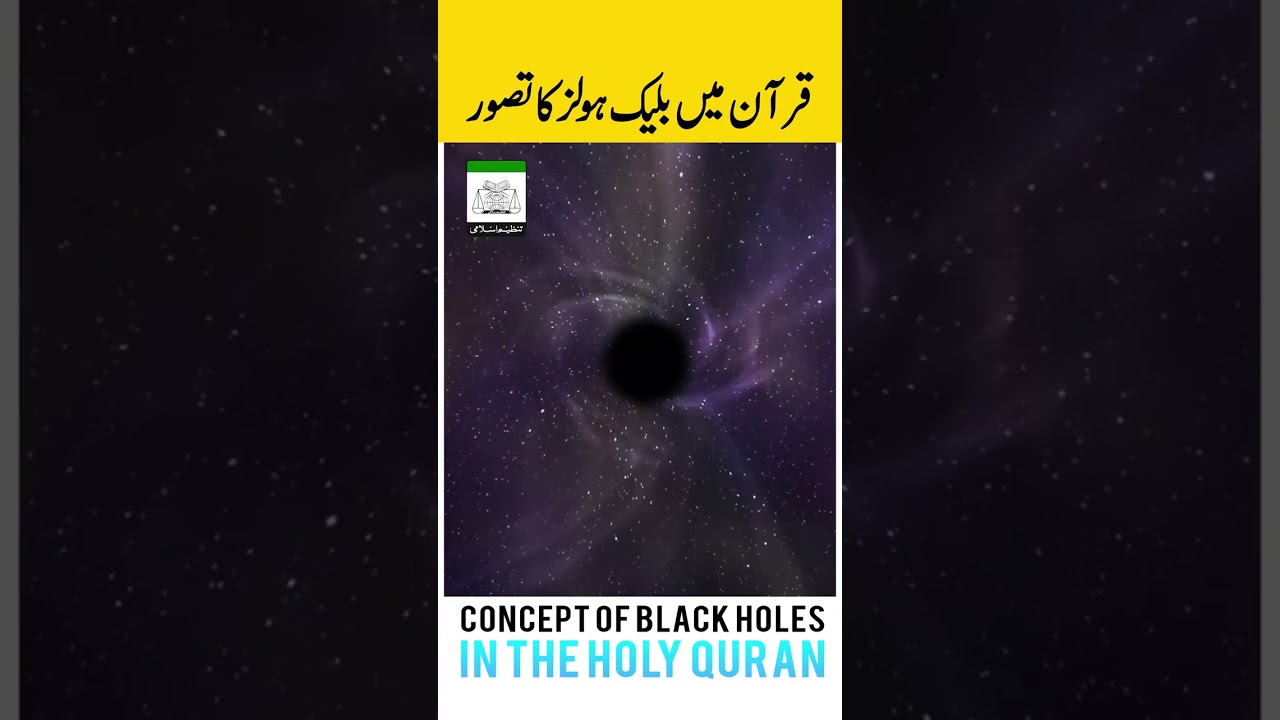
This lecture explores the astronomical significance of stars and galaxies, specifically addressing their eventual decline and disappearance. It posits that the setting of stars isn't merely a physical event but a profound cosmic process. The passage highlights the vastness of space and the eventual fate of even massive galaxies, suggesting a cyclical pattern of creation and destruction. It emphasizes the immensity of the universe and the eventual disappearance of galaxies, not just stars. This is a deep exploration of cosmic phenomena and their philosophical implications.
74
The speaker asserts that citizens have a right to strive for systemic change, differentiating between opposition to the state and opposition to the government. He identifies elections and peaceful agitation as the two primary means of achieving this change. He contends that elections alone are insufficient, as they merely replace faces within the existing socio-economic structure. True change necessitates agitation led by individuals who have first established righteous conduct in their own lives. The speaker emphasizes the importance of peaceful protest, devoid of violence or property damage, and a willingness to sacrifice for the cause.
56
During standing in prayer (namaz), it is permissible to look at the mosque wall or generally around. The gaze should remain focused on the spot where one prostrates. Raising the head and looking around or upwards at the sky is strongly discouraged. Maintaining focus on the prayer spot is essential for proper concentration and devotion.
90
The Prophet Muhammad (peace be upon him) once asked his companions about bankruptcy. They defined it as a lack of wealth. The Prophet corrected them, stating the true bankrupt in his nation will be the one who comes with a large number of prayers, fasts, and pilgrimages, but also with the burdens of having wronged others – having insulted someone, unjustly taken their wealth, or falsely accused them. On the Day of Judgment, these wronged individuals will present their claims, depleting the bankrupt’s good deeds. If the deeds are insufficient, their sins will be transferred to them, leading to their destruction in Hell. This is the true meaning of bankruptcy – a spiritual and moral deficiency.
58
