Shorts
A traveler in the desert loses his camel, carrying all his provisions and means of transport. After a desperate search, he encounters death itself. Overwhelmed with relief, he proclaims gratitude to God for this encounter, recognizing his own insignificance and God’s grace. This parable illustrates the immense joy God feels when a sinful servant repents, exceeding even the joy experienced by the traveler at finding ‘death’.

64
This lecture explores the astronomical significance of stars and galaxies, specifically addressing their eventual decline and disappearance. It posits that the setting of stars isn't merely a physical event but a profound cosmic process. The passage highlights the vastness of space and the eventual fate of even massive galaxies, suggesting a cyclical pattern of creation and destruction. It emphasizes the immensity of the universe and the eventual disappearance of galaxies, not just stars. This is a deep exploration of cosmic phenomena and their philosophical implications.
74
This lecture clarifies the dangers of sectarianism and emphasizes the importance of unity within the Muslim community. It explains that forming separate factions based on personal understanding or lineage is detrimental. The Quran clearly identifies Muslims as a unified body, and adhering to this principle is crucial. The speaker stresses that Muslims should unite under the single identity of ‘Muslim’ as ordained by God, rejecting divisions that arise from differing interpretations or the creation of new groups. It condemns the formation of new sects and emphasizes the importance of remaining unified under the banner of Islam.
53
This lecture explores the incomplete nature of the Prophet Muhammad’s mission, asserting that the complete prevalence of the Divine religion across the entire world is a prerequisite for the Day of Judgement. It details how, while significant portions of Arabia were illuminated by the light of monotheism during the Rashidun Caliphate, vast regions including China, India, Europe, and much of Africa remained untouched. The speaker emphasizes that until the entirety of the earth embraces the Divine message, the Prophet’s ultimate objective remains unrealized, highlighting the continuous need for striving and dedication towards its completion.
56
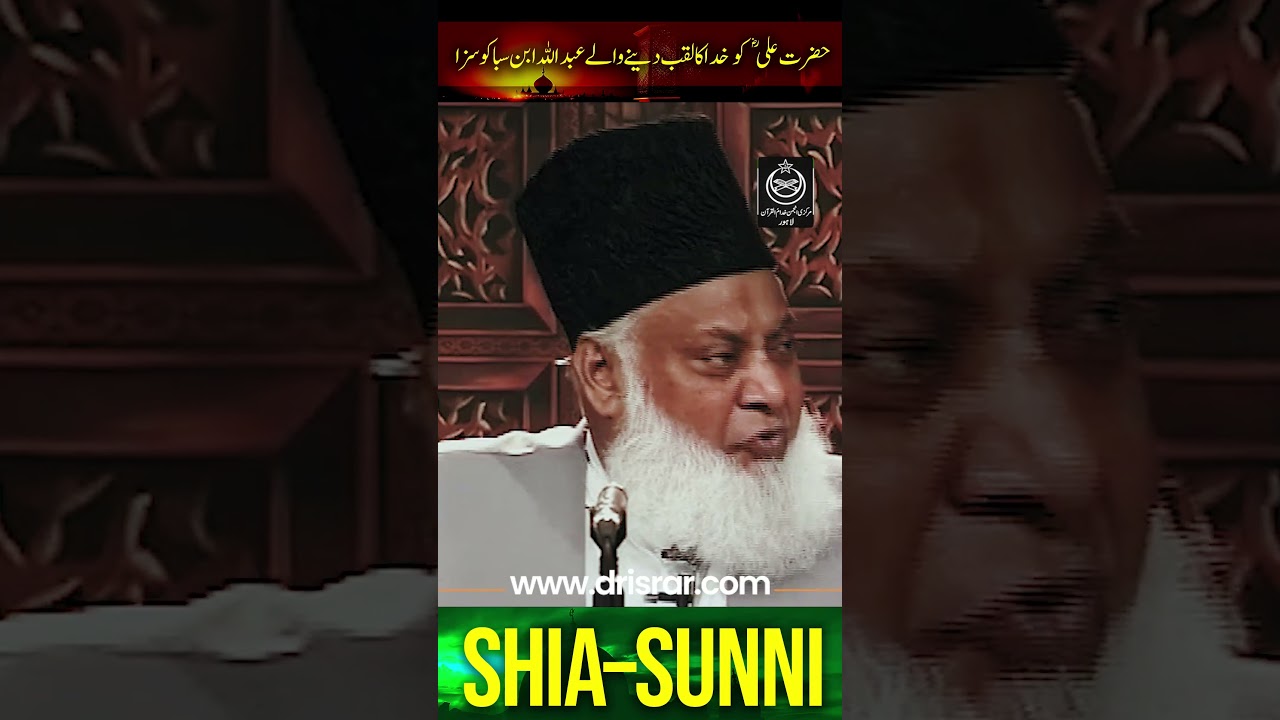
The text details the historical origins of sectarian division between Shia and Sunni Muslims, attributing it to Abdullah Ibn Saba, a figure who emerged during the early Islamic period. Ibn Saba is accused of falsely claiming divine status for Hazrat Ali, sparking discord and ultimately laying the foundation for the Shia-Sunni split. He presented himself to Hazrat Ali and his followers, proclaiming him God, and even offered to be burned alive as a test of faith, a claim Hazrat Ali rejected and threatened with punishment. The text asserts this event is the root cause of the ongoing division.
91
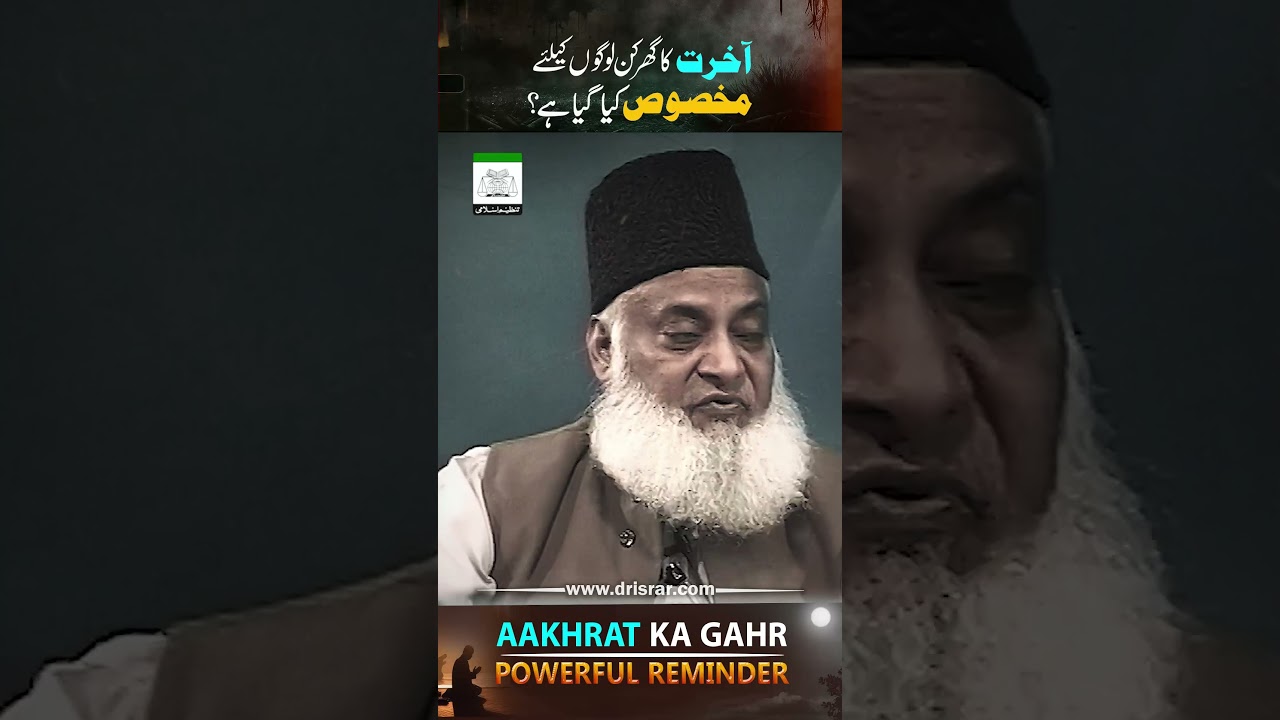
This lecture clarifies that the ultimate abode, the Hereafter, is reserved for those who abstain from seeking power, dominance, or creating corruption in the world. It emphasizes that this eternal reward is specifically for the righteous – those who prioritize piety and refrain from worldly ambitions. The final outcome and ultimate success are assuredly for the God-conscious, and Allah has exclusively designated its blessings, joys, and comforts for His devout servants.
60
