Quần short

This lecture explores the complexities of the human mind, detailing three dimensions of awareness: conscious knowledge, suppressed memories, and the unconscious. It asserts that Allah (God) is aware of everything within the human being, including thoughts, intentions, and hidden desires, even those of which the individual is unaware. The discussion clarifies that both outwardly expressed and internally concealed knowledge are within divine awareness, encompassing the entire spectrum of human consciousness and subconsciousness. The lecture emphasizes the all-encompassing nature of divine knowledge, extending even to the innermost whispers of the self.

50
علامہ اقبال نے برعظیم پاک و ہند میں ایک علیحدہ مسلم مملکت کے قیام کی تین بنیادی وجوہات بیان کی ہیں۔ اول، یہ متحدہ ہندوستان میں مسلمانوں اور ہندوؤں کے درمیان جاری کشمکش کا واحد حل تھا۔ دوم، اس مملکت کے ذریعے مسلمانوں کو اسلام کا حقیقی نظام، جو محمد عربی صلی اللہ علیہ وسلم نے قائم کیا تھا، بحال کرنے کا موقع ملے گا۔ یہ نظام خلافت راشدین پر مبنی ہے، جو ملوکیت کے دور میں فراموش ہو گیا تھا۔ سوم، اقبال نے کہا کہ پاکستان، بھارت کا سب سے بڑا محافظ ثابت ہوگا۔ انہوں نے کہا کہ یہ ملک شمال مغربی سرحد پر بھارت کی حفاظت کرے گا۔
37

The lecture details the miracles of Prophet Moses (peace be upon him), focusing on the well-known miracles of his staff and the white hand. It further elaborates on seven additional miracles mentioned in the Quran, revealed to Pharaoh and his people. These include the splitting of the sea with his staff, the creation of twelve springs from a rock, the descent of manna and quail, and the provision of shade with clouds in the desert, offering protection where no shade existed.
54
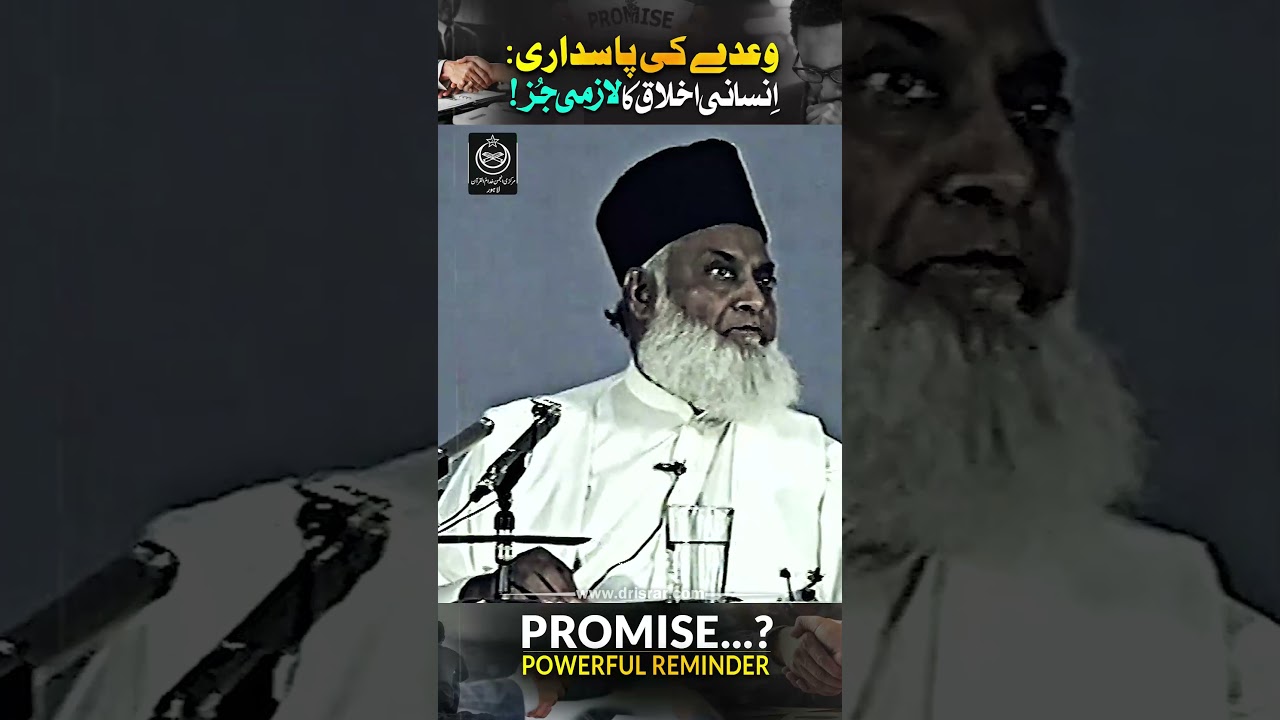
The speaker discusses a decline in ethical standards within society, moving beyond mere indecency to a fundamental erosion of basic human morals. This manifests as a lack of integrity – saying things one doesn’t mean and failing to uphold promises. Historically, even non-believers maintained a directness lacking in current society; they were either openly hostile or adhered to their word. The speaker draws a parallel to the historical figures of Medina and Mecca, noting the presence of hypocrisy and deceitful behavior in Medina, while Mecca generally upheld a more straightforward code of conduct. The speaker asserts a general decline in societal capacity for integrity and principled action.
53

Prioritizing the purification of the heart is essential, though physical cleanliness is also necessary. Maintaining a beard is a strongly recommended tradition of the Prophet Muhammad, peace be upon him, not an obligation. While adhering to religious practices is important, genuine intention and a pure heart are paramount. Following the Prophet’s commands, even in seemingly minor matters, benefits one’s spiritual and worldly life. A clean heart and sincere intentions are foundational to a meaningful life.
57
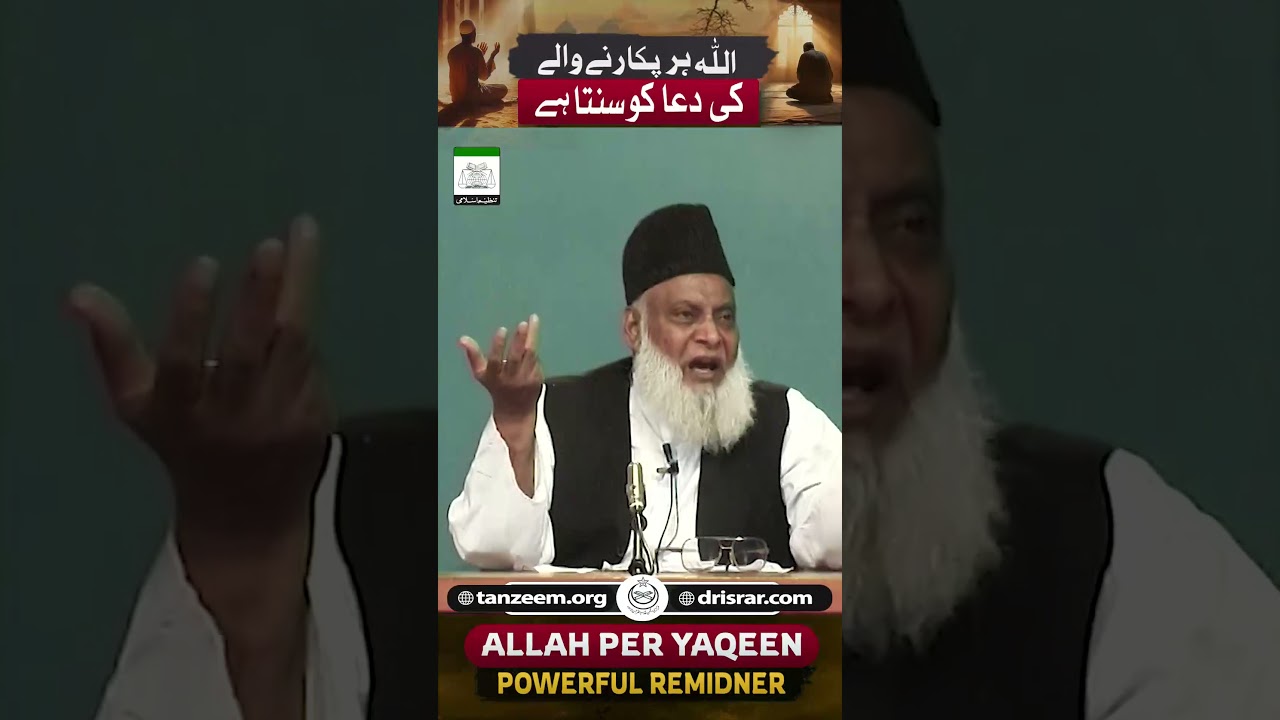
This lecture explores the deeper meaning of directing one’s attention towards God during prayer, specifically referencing Surah Fatiha. It explains that simply facing the Kaaba is insufficient; genuine connection requires inward focus and spiritual awakening. The speaker elucidates the verse concerning God’s responsiveness to sincere pleas, emphasizing His proximity to those who seek Him with earnestness. True prayer involves a complete turning towards God, a purification of intention, and an awareness of His presence. God answers every call, accepts every supplication, and responds to those who call upon Him sincerely, regardless of location.
99
