Шорты
This lecture explores the complexities of the human mind, detailing three dimensions of awareness: conscious knowledge, suppressed memories, and the unconscious. It asserts that Allah (God) is aware of everything within the human being, including thoughts, intentions, and hidden desires, even those of which the individual is unaware. The discussion clarifies that both outwardly expressed and internally concealed knowledge are within divine awareness, encompassing the entire spectrum of human consciousness and subconsciousness. The lecture emphasizes the all-encompassing nature of divine knowledge, extending even to the innermost whispers of the self.

50
The greatest act of gratitude is towards one’s parents, a concept emphasized five times in the Quran. Simply *looking* at the Kaaba with reverence is considered an act of worship. Similarly, looking at one’s parents with love and respect is also an act of worship. This act of reverence, even without verbal interaction, holds significant spiritual reward. The Quran highlights the immense importance of honoring and showing affection to parents.
70

The Quran possesses two levels of understanding. The first is a surface-level comprehension, readily accessible like oil floating on water after a tanker leak. This represents the primary lessons and wisdom directly present within the text. The deeper level, however, is immeasurable, akin to the depths of the ocean, requiring profound exploration to fully grasp its complexities. Just as measuring the ocean's depths is a challenge, so too is comprehending the full extent of the Quran’s wisdom.
38
Dr. Israr Ahmad discusses the reasons behind the lack of fervor within the Muslim community, connecting it to a lack of understanding of the prophetic revolution. He argues that the current state of disillusionment and self-destructive behaviors – exemplified by acts of desperation and misguided aggression – stem from a loss of direction and a failure to comprehend the principles of the Prophet Muhammad’s revolutionary message. He emphasizes that without grasping the essence of this revolution, individuals will remain lost and misdirected.
372
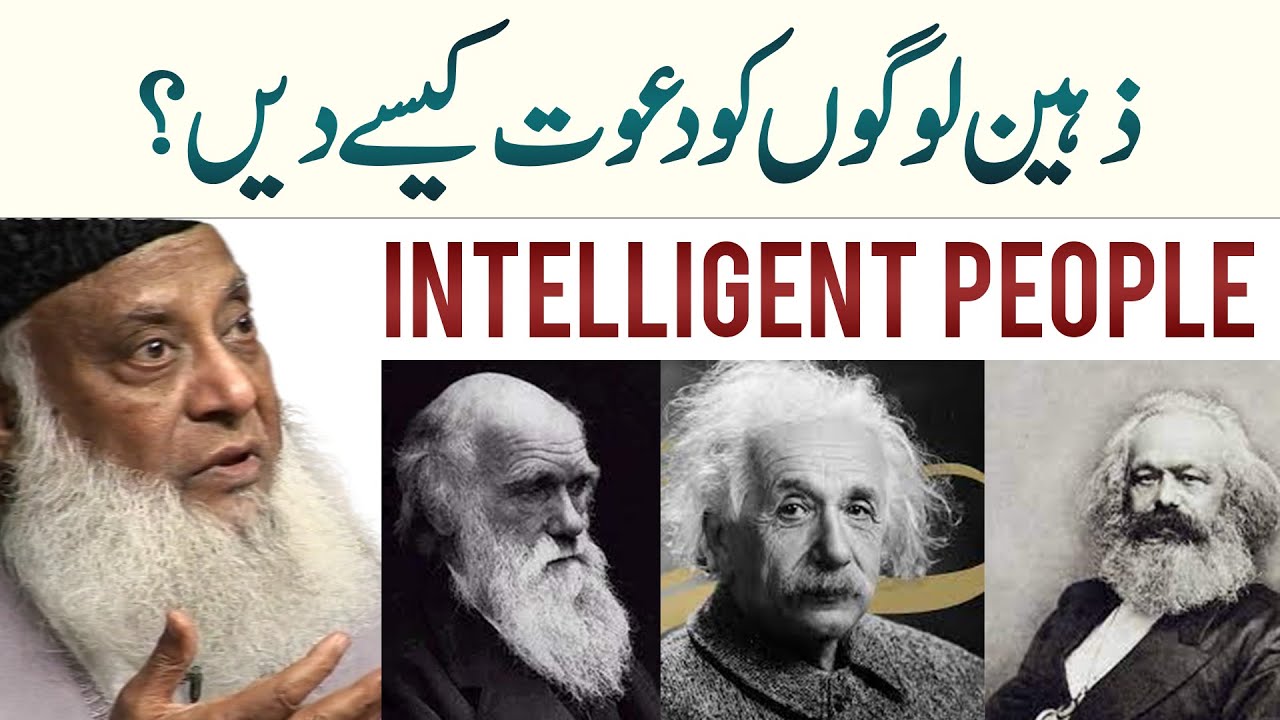
The lecture addresses the necessity of clearing the mind of conflicting ideologies, specifically Darwinian evolution and other Western philosophies, before accepting Islamic teachings. The speaker emphasizes that preconceived notions and intellectual impurities act as barriers to true understanding of religious concepts like the story of Adam and Iblis. He critiques the influence of thinkers such as Darwin, Freud, Marx, Adler, Bertrand Russell, and Sartre on contemporary thought, asserting that these philosophies obstruct a clear reception of Islamic principles. The speaker highlights the importance of intellectual purification to facilitate genuine faith and understanding.
45
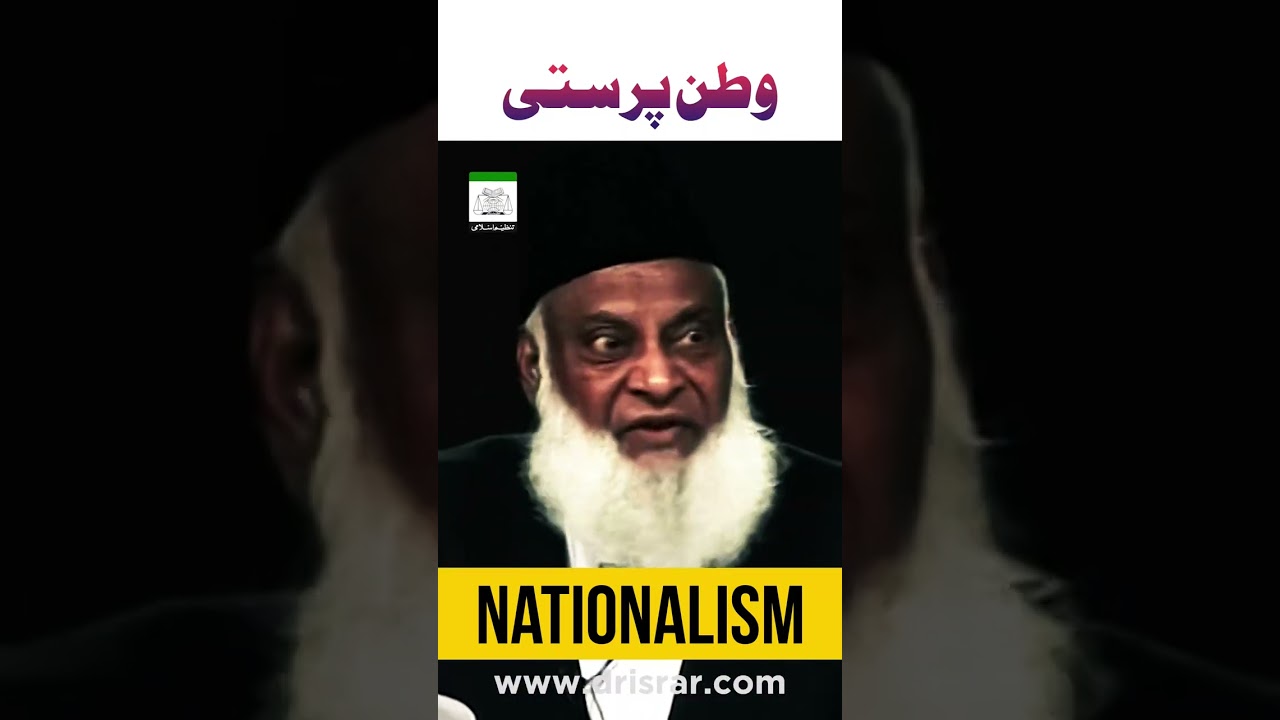
This lecture explores the concept of national identity, presenting the nation-state as a modern construct akin to a deity. It argues that in the contemporary era, the nation has replaced traditional faiths as a primary source of allegiance and purpose. The poem emphasizes the nation’s all-encompassing nature, where national identity is interwoven with religious belief. The speaker calls for strength derived from the principles of Tawhid (Oneness of God) and emphasizes the importance of Islam as a guiding force for the nation. The lecture ultimately proposes that patriotism, when rooted in Islamic values, can be a powerful force for national progress and spiritual elevation.
48
