Celana pendek
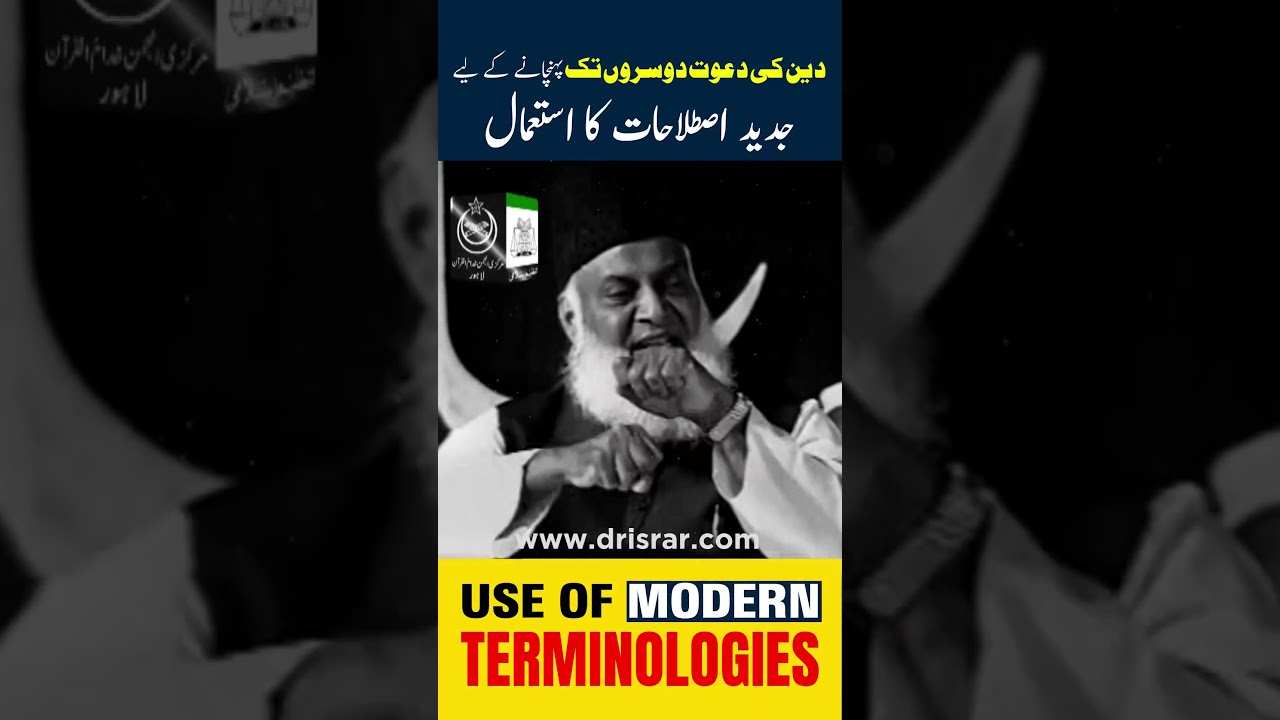
Dr. Israr Ahmad discusses the degree to which adopting modern terminology with Islam is permissible or undesirable. He argues for caution regarding new terms, asserting each carries inherent connotations inseparable from its meaning. However, he acknowledges effective communication requires utilizing contemporary language to reach modern audiences, advocating for a balanced approach – using current terminology for conveyance but avoiding rigid adherence to it.

49
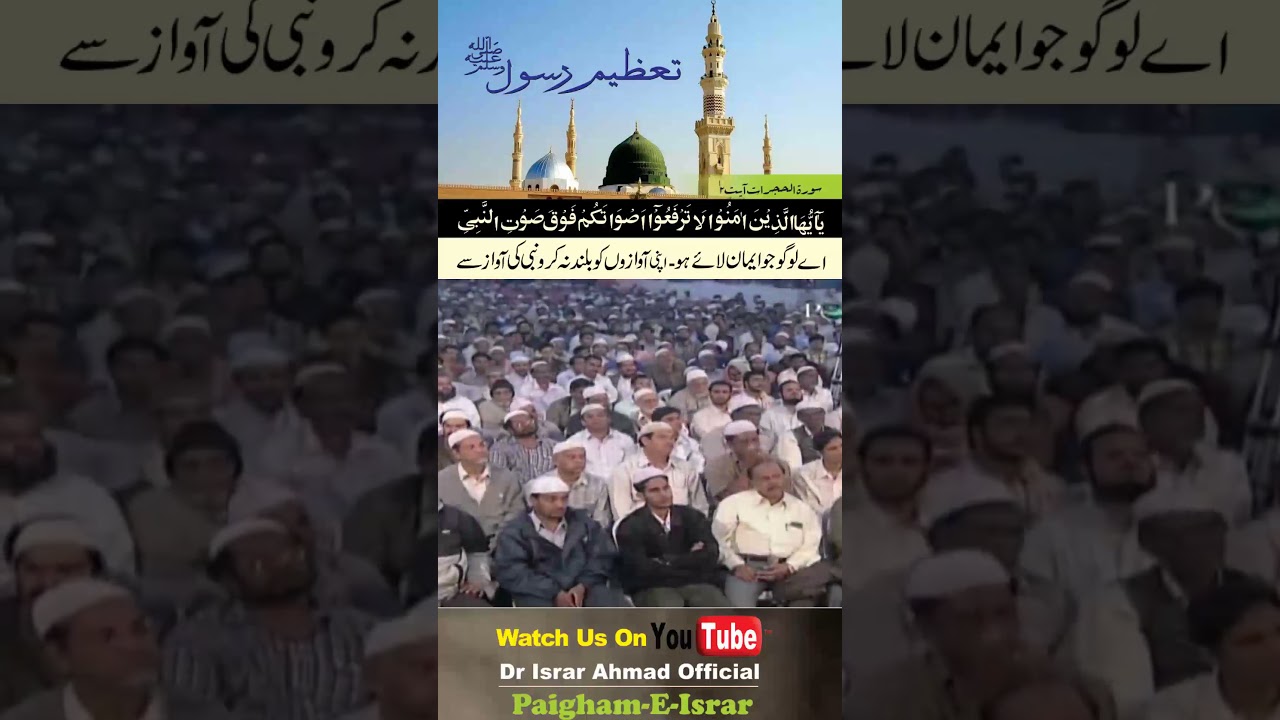
This lecture emphasizes the importance of respectful communication, particularly when discussing religious figures or sacred texts. It cautions against raising one’s voice in the presence of scholarly discussion or when referencing the sayings and actions of the Prophet Muhammad. The speaker stresses immediate silence when a tradition (hadith) is mentioned, prioritizing verification of its authenticity later. Disrespectful discourse is equated with diminishing the value of religious teachings and the Prophet’s legacy, demanding a mindful and humble approach to conversation.
69

This lecture emphasizes that all expenditure on children should be considered a fulfillment of one’s responsibility to them, not an investment expecting a return. True reward and reliance should be placed solely with Allah. Effort dedicated to the service of Islam is the only work for which one can expect a genuine and reliable recompense. The lecture clarifies that seeking reward from anyone other than Allah is misguided.
50
Interest (riba) and illicit relationships are major sins in Islam, both considered haram (forbidden). This lecture details the severity of riba, framing it as a declaration of war by God. The speaker emphasizes that even the smallest involvement in riba is comparable to a grave sin. The discussion highlights the comprehensive nature of Islamic law, which demands adherence to the Quran and the teachings of the Prophet Muhammad.
79
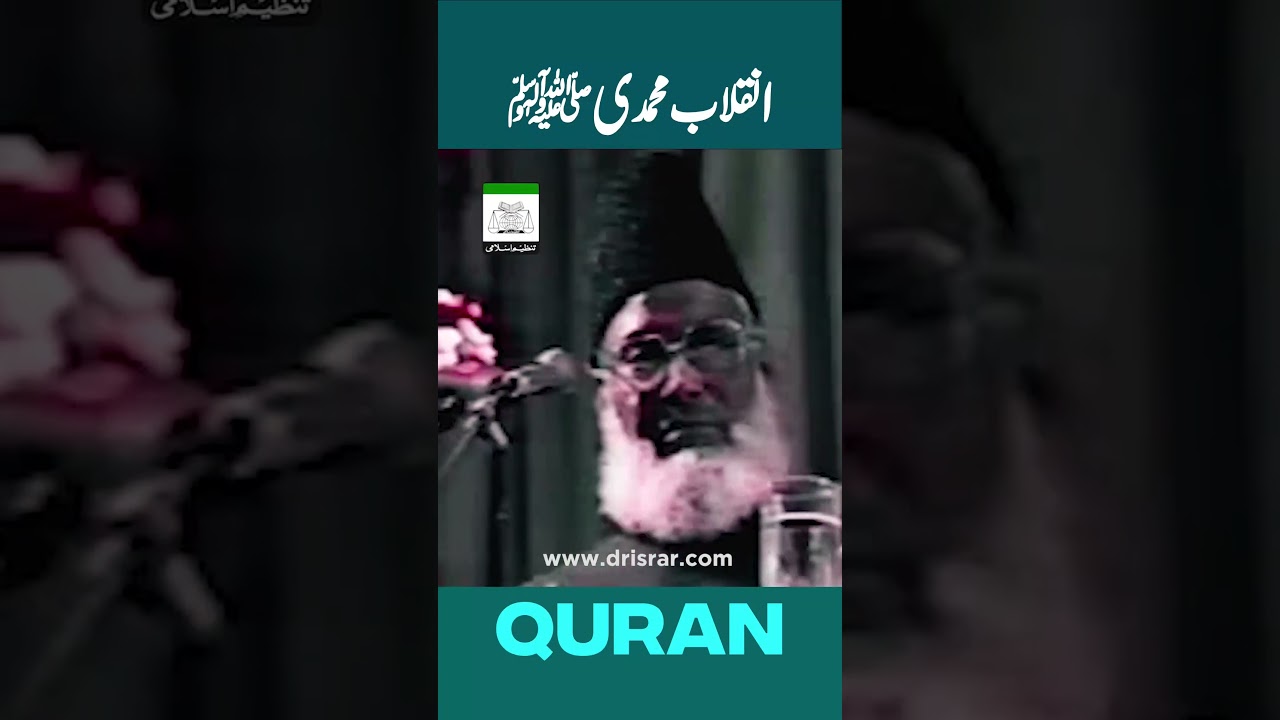
This lecture explains how the Quran served as the instrument of a profound revolution, fundamentally altering beliefs, values, and perspectives. Before, life was considered the greatest blessing; now, martyrdom is the highest aspiration. This transformation occurred not through worldly gains, but through adherence to the Quranic command to resist disbelief and engage in a great struggle, as stated in Surah Al-Furqan. The Quran reshaped the mindset of people, prioritizing spiritual strength over material possessions.
86
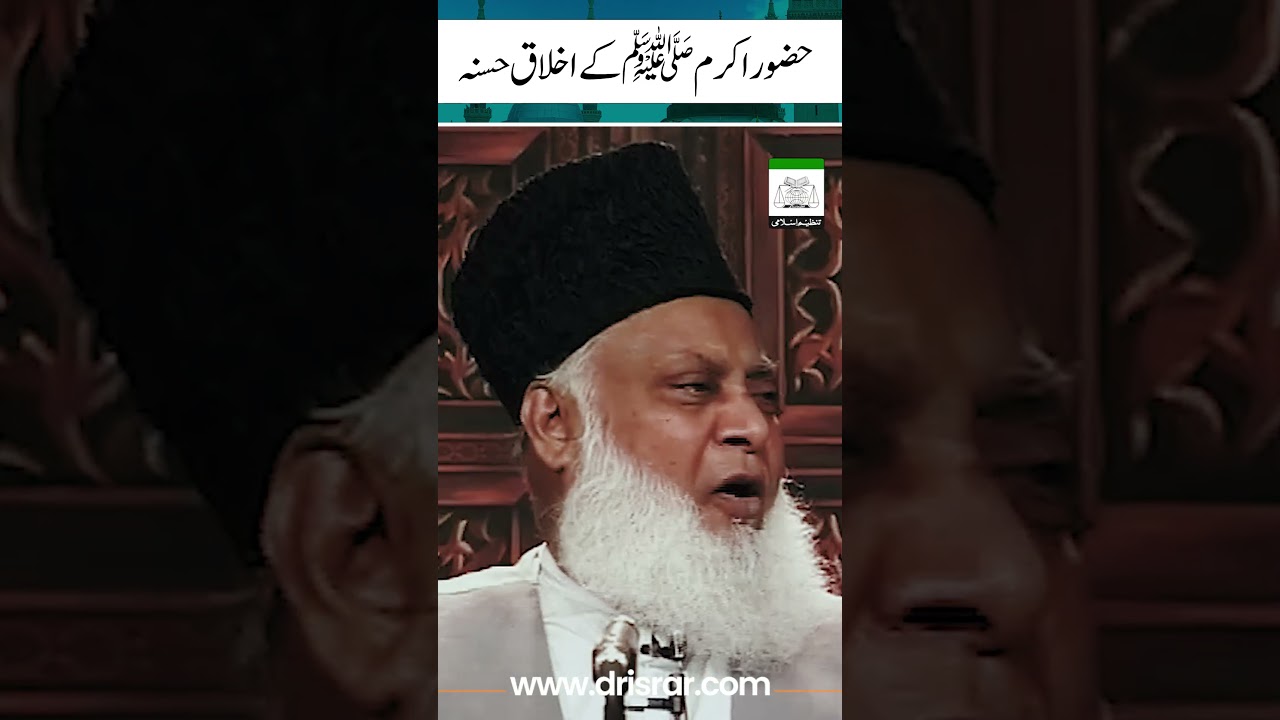
Dr. Israr Ahmad discusses the Prophet Muhammad’s (peace be upon him) remarkable humility and integration with his companions. He emphasizes the Prophet’s deliberate choice to present himself as an ordinary human being, eschewing any display of special status or privilege. The Prophet actively discouraged people from standing upon his arrival and mingled freely with his followers, sitting among them without distinction. This demonstrated a profound commitment to equality and accessibility, fostering a sense of unity and brotherhood among the early Muslim community. The speaker highlights that the Prophet’s approach was a conscious effort to remove barriers between himself and his companions, encouraging genuine connection and spiritual growth.
54
