Kurze Hose
Dr. Israr Ahmad discusses the degree to which adopting modern terminology with Islam is permissible or undesirable. He argues for caution regarding new terms, asserting each carries inherent connotations inseparable from its meaning. However, he acknowledges effective communication requires utilizing contemporary language to reach modern audiences, advocating for a balanced approach – using current terminology for conveyance but avoiding rigid adherence to it.

49
This lecture discusses the unique sanctity of Mecca, highlighting its historical role as a place of peace amidst a turbulent Arab society. Despite centuries of tribal conflict, feuds, and cycles of revenge killings, Mecca’s sacred precinct remained a sanctuary. Even those seeking retribution for deeply personal grievances—like the murder of a father—would refrain from violence within its boundaries. This demonstrates Allah’s provision of security and peace to the city, earning it the title 'City of Peace.' This inherent protection continues to be a defining characteristic of Mecca today.
43
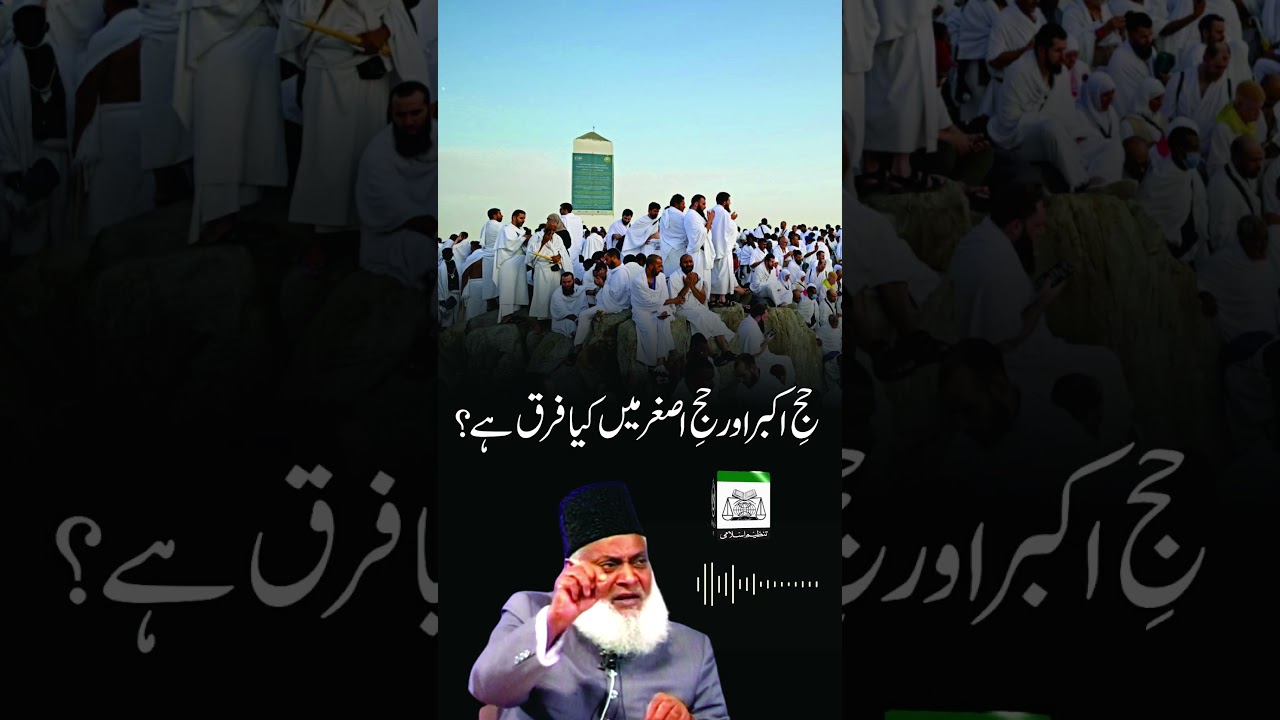
The common misconception that performing Hajj on a Friday is ‘Hajj Akbar’ is inaccurate. Originally, Arabs designated ‘Hajj Asghar’ for Umrah and ‘Hajj Akbar’ for the complete Hajj pilgrimage. The core meaning of ‘Hajj’ is intentional travel or journeying. Therefore, traveling for Umrah also constituted a ‘Hajj,’ albeit a lesser one. The Hajj performed during the designated days in Mecca is considered ‘Hajj Akbar.’ There is no additional merit to performing Hajj specifically on a Friday.
114
This lecture emphasizes that true faith (iman) is distinct from deeds (amal/actions). Worldly recognition as a leader, warrior, scholar, or philanthropist holds no weight on the Day of Judgement. Accountability rests solely on the sincerity of one’s faith and the quality of their deeds. The speaker warns that even those celebrated in the world may face severe consequences in the afterlife if their actions did not align with genuine belief. Ultimately, worldly achievements are irrelevant; only a righteous heart and sincere devotion to God matter.
74
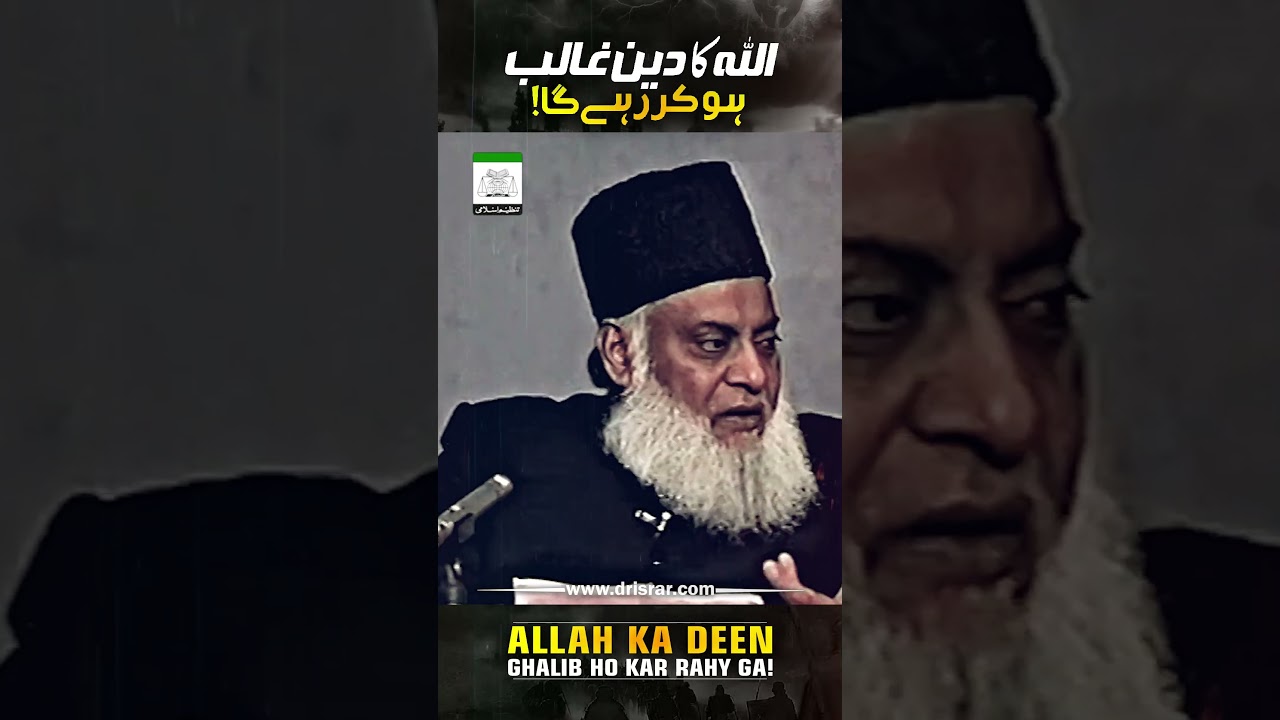
Before the Day of Judgement, Islam will prevail globally because it fulfills the purpose of Muhammad, the Messenger of God. This triumph is essential to completing the divine mission entrusted to him – to establish the dominance of faith across all of humanity. Until Islam is globally dominant, the ultimate purpose remains unfulfilled. This is a call to action, emphasizing that the work of spreading the message of Tawhid (Oneness of God) is ongoing. The Prophet Muhammad (peace be upon him) foretold this prevalence, echoing the sentiment expressed by Iqbal that the source of strength lies within one’s homeland and faith.
56
This lecture explores the principle of sincere intention in faith and its direct correlation with receiving divine assistance. It explains that genuine help from God is contingent upon a pure heart and a truthful relationship with Him. The speaker emphasizes that self-deception and hypocrisy prevent one from experiencing God’s support, while sincerity fosters trust and assurance. A sincere devotee believes in God’s unwavering companionship, mirroring the loyalty found in virtuous human relationships. Ultimately, it highlights that God will fulfill the needs of those who approach Him with honesty and a pure heart.
78
