निकर

This lecture categorizes people into three groups based on their relationship with faith and worldly desires. The first group possesses genuine faith, pure intentions, and benefits from divine guidance. The second group is consumed by materialism, devoid of true spirituality or meaningful good deeds, and spends wealth solely on personal indulgence. The third group occupies an intermediate position, performing good deeds motivated by ego, reputation, or worldly gain rather than sincere faith. Their actions are likened to a mirage, lacking genuine spiritual value. The lecture emphasizes the distinction between actions performed for the sake of Allah and those driven by self-interest.

65

Dr. Israr Ahmad explains that memorizing the Quran is one task, and *retaining* it is another. Forgetting memorized verses is a serious offense. Consistent recitation and revision are crucial for long-term retention. Many who claim to have memorized the entire Quran struggle to recall it throughout the year, requiring frequent re-memorization. He highlights that consistent practice is more valuable than merely claiming complete memorization, even if one is unable to perform regular prayers.
61

This lecture emphasizes the importance of establishing a strong connection with Allah. It highlights intention, consistent effort, and taking the first step towards spiritual growth. Prayer and charity are presented as foundational practices for progressing on this path. The speaker addresses the challenges and difficulties inherent in spiritual journeys, emphasizing the need to cling to Allah's guidance throughout the process.
53

This lecture emphasizes the importance of recognizing truth and excellence wherever it exists, regardless of sectarian or group affiliation. It critiques the insularity of religious circles, which often limit perspectives to a single school of thought, hindering intellectual growth and unity. The speaker advocates for open-mindedness, studying diverse perspectives, and acknowledging the contributions of scholars from all backgrounds to foster understanding and strengthen the collective pursuit of faith. Recognizing shared values and learning from the past is essential for progress and overcoming narrow-mindedness.
85

The Quran is presented as the ultimate source of clarity and healing for the heart. It eradicates spiritual diseases such as arrogance, envy, materialism, the pursuit of worldly status, and the desire for fame. The Quran’s wisdom illuminates the heart, replacing these negative traits with spiritual purity and understanding. It is a complete remedy for inner turmoil and a guide to a righteous life. The Quran's light dispels darkness and fosters a connection with the Divine.
284
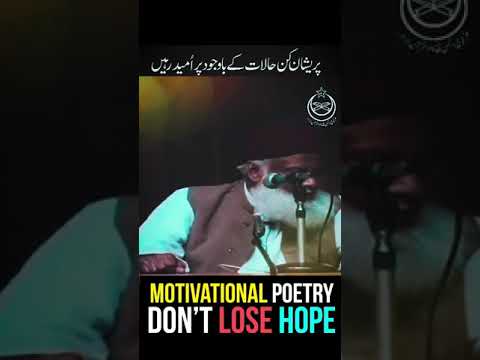
This discourse emphasizes that times of hardship are often precursors to positive change and divine reward. It asserts that current difficulties are not signs of abandonment but rather tests of faith and resilience. The speaker encourages perseverance, highlighting that enduring trials will ultimately lead to a brighter future and the fulfillment of potential. The message stresses that even within darkness, the seeds of a new life are germinating, and those with insight should not lose hope in the face of adversity.
62
