Shorts
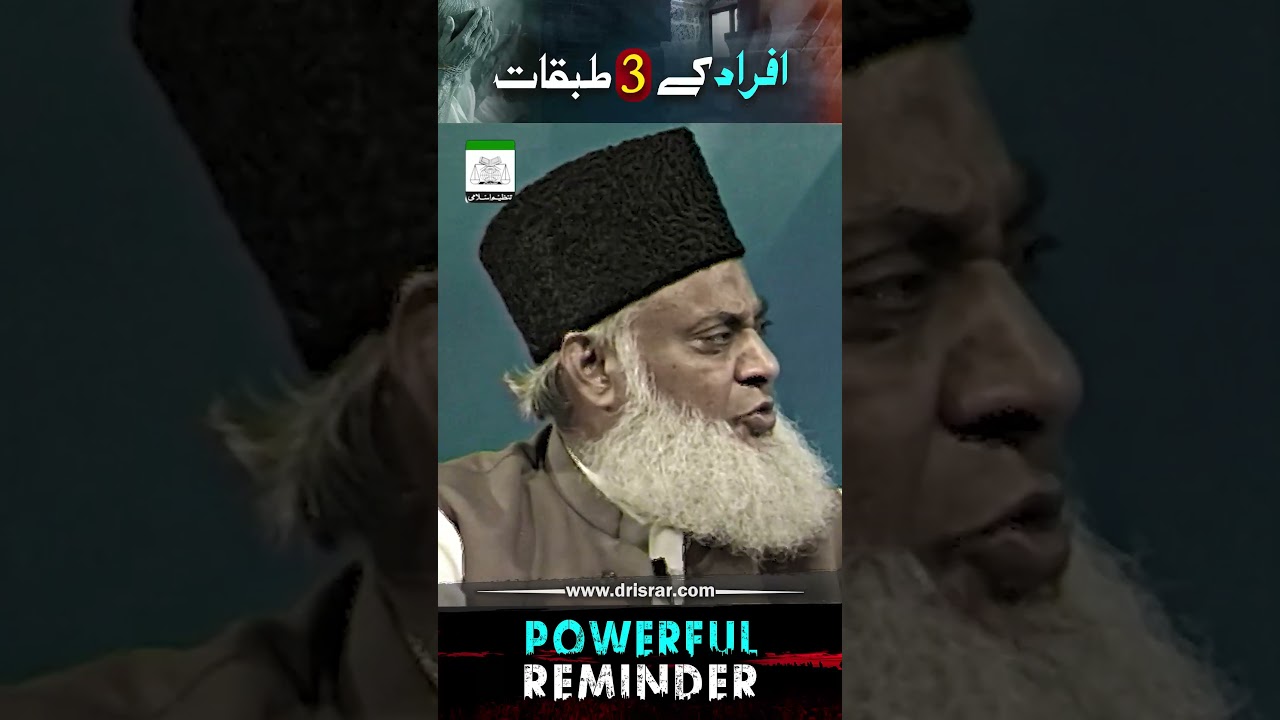
This lecture categorizes people into three groups based on their relationship with faith and worldly desires. The first group possesses genuine faith, pure intentions, and benefits from divine guidance. The second group is consumed by materialism, devoid of true spirituality or meaningful good deeds, and spends wealth solely on personal indulgence. The third group occupies an intermediate position, performing good deeds motivated by ego, reputation, or worldly gain rather than sincere faith. Their actions are likened to a mirage, lacking genuine spiritual value. The lecture emphasizes the distinction between actions performed for the sake of Allah and those driven by self-interest.

65
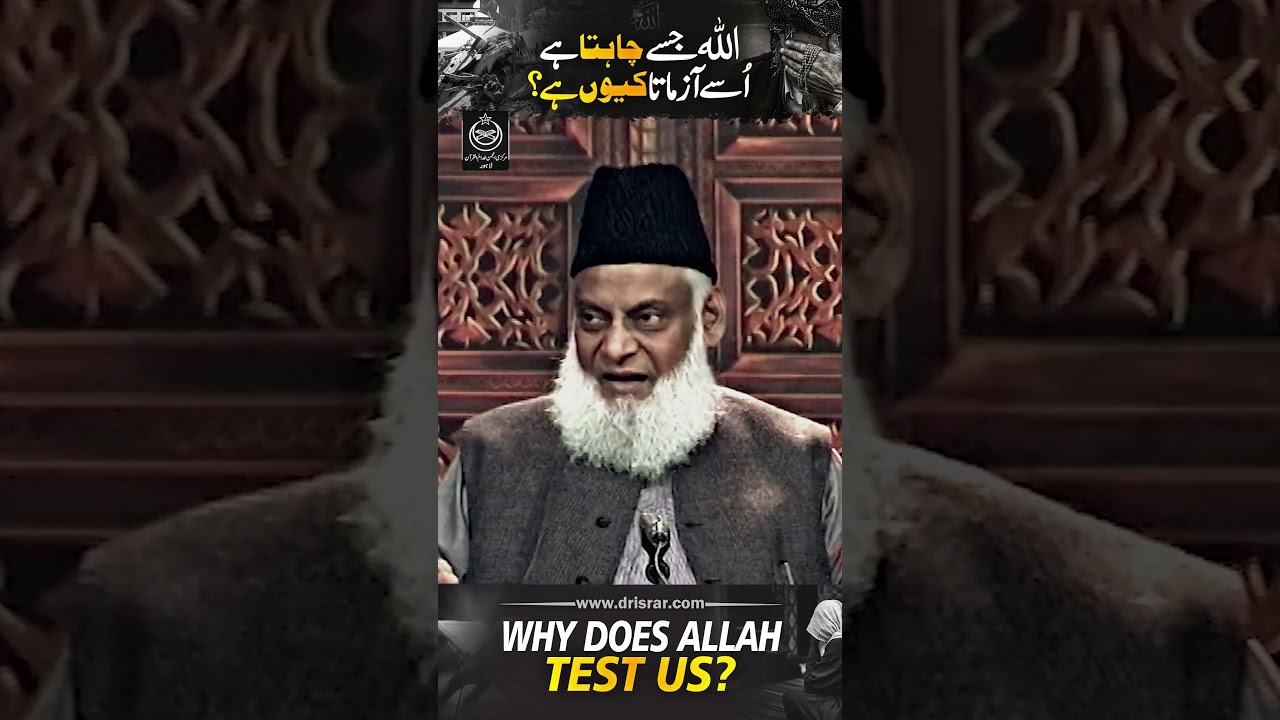
This lecture explores the concept of trials and tribulations as a test of one’s faith. It explains that difficulties and hardships are not merely punishments, but crucial tests to reveal the purity of belief. Just as gold is tested by fire to determine its authenticity, individuals are tested through adversity to expose genuine faith from mere claims. The lecture emphasizes that true believers are revealed through their resilience and steadfastness in the face of hardship, while those with insincere beliefs are exposed. The core message is that trials refine faith and distinguish the sincere from the hypocritical.
61

This lecture explains that accountability in the hereafter is based on inherent human faculties: intellect, discernment, the capacity for good and evil, divine knowledge within the soul, and the love of God. Even those who never received a prophetic message will be judged based on these innate qualities. God has provided humanity with the tools for moral reasoning and spiritual awakening, and this internal guidance forms the basis of divine judgment. The sending of prophets and scriptures served to complete the argument and provide clear guidance, making the test of life easier. The soul possesses inherent knowledge of and love for God, which is awakened by divine revelation.
69

True faith is a profound attribute, but it requires cultivation. Its source and foundation lie within the Quran. Genuine faith isn't acquired through philosophical debate or intellectual reasoning, but through deep contemplation and immersion in the Quran. The Quran unlocks the heart's potential, revealing truths to those who reflect upon its verses. Deliberate study and thoughtful engagement with the Quran are essential for fostering conviction and illuminating the path to spiritual understanding. This process unlocks the heart and strengthens belief.
69

This lecture addresses the challenges of raising children in a materialistic world. It clarifies that not all spouses and children are supportive, and some may lead one astray. The core message emphasizes that true success lies in nurturing children with Islamic values, providing them with a good education through lawful means, and avoiding compromise on principles for their sake. It warns against prioritizing children’s worldly desires over one’s own spiritual well-being and highlights that sacrificing integrity for their happiness is detrimental. The speaker stresses that the greatest misfortune is to ruin one’s afterlife while trying to build a good life for one's children.
104

This lecture elucidates the concept of *shirk* (associating partners with God) as stemming from the belief that entities other than Allah possess the power to grant benefit or inflict harm. It explains how seeking fulfillment of needs or protection from adversity from anyone or anything besides Allah constitutes a fundamental act of disbelief. The lecture emphasizes that true reliance and hope should be placed solely in Allah, as attributing power to creation is a grave sin. It highlights the subtle ways *shirk* manifests in daily life and urges listeners to purify their intentions and place their trust entirely in the Divine. The core argument centers on the inherent powerlessness of creation and the absolute sovereignty of Allah.
71
