Korte broek
This lecture emphasizes true repentance (tawbah) as requiring a complete removal of un-Islamic practices from one’s life, family, and economic activities. Superficial displays of religious observance, such as multiple pilgrimages or verbal expressions of regret, are insufficient without genuine behavioral change. The speaker criticizes hypocrisy, particularly continuing interest-based transactions after performing Hajj. True repentance demands a willingness to sacrifice even personal comfort or face hardship rather than compromise on Islamic principles. The lecture also addresses the decline of modesty and the erosion of Islamic values in Pakistan, lamenting the failure to establish a society grounded in Islamic ethics.

96
A truly accepted pilgrimage, Hajj-e-Mabroor, is achieved through earnings from lawful sources and meticulous adherence to all its conditions, avoiding disputes and prioritizing the needs of fellow pilgrims. This selfless act fosters piety and guarantees a reward from Allah. Such a pilgrimage cleanses one of past sins, akin to a newborn's purity. It emphasizes the importance of sincerity, lawful income, and selfless service during Hajj to attain divine acceptance and spiritual renewal.
73
The door of repentance remains open for a considerable time, allowing individuals years to seek forgiveness. This opportunity continues until the setting of the sun from the west—a major sign of the approaching Day of Judgement. The Quran states that Allah will accept the repentance of those who turn to Him before this sign appears. Once the sun begins to rise from the west, the door of repentance will be closed, and any subsequent repentance will not be accepted. This emphasizes the urgency of seeking forgiveness while time remains.
70
The Prophet Muhammad (peace be upon him) stated that the greatest struggle is the internal battle against one's own base desires (nafs). External enemies are easier to confront; the true enemy resides within. This internal struggle, or *jihad*, against the commanding self is the most virtuous form of worship. The Prophet clarified that the most excellent form of *jihad* is striving against one’s *nafs* in obedience to God. This lecture explores the profound significance of self-discipline and spiritual refinement.
66
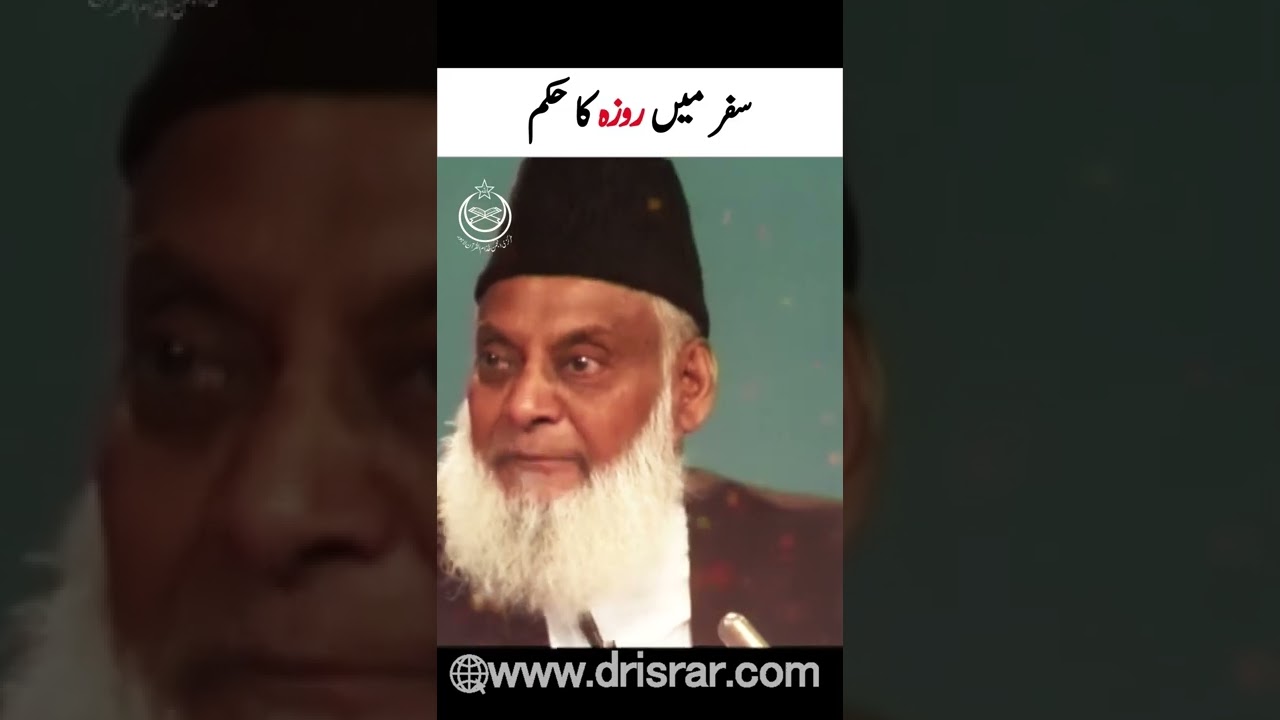
Dr. Israr Ahmad explains a critical point regarding religious observance. He clarifies that excessively strict adherence to rituals, like maintaining a fast (Roza) even under conditions of extreme hardship – such as during travel or military campaigns – is a misunderstanding of true piety. He points out that such rigid practices stem from a misguided notion of righteousness and can foster extremism. The lecture emphasizes that genuine faith prioritizes well-being and practicality over inflexible adherence to rituals, especially when it leads to physical exhaustion or hinders necessary activities. The Prophet Muhammad (peace be upon him) discouraged such unnecessary hardship and highlighted the importance of balance in religious practices.
74

This lecture explores the concept of attaining spiritual proximity to God through the practice of *nawafil* (voluntary prayers). It details how consistent devotion can lead to a state where the devotee experiences God’s presence in their senses—seeing with God’s sight, hearing with God’s hearing, acting with God’s hands, and walking with God’s feet. This concept, supported by a *hadith qudsi*, signifies a profound level of spiritual union and is acknowledged even by those who may not traditionally align with Sufi interpretations. The discussion emphasizes the transformative power of sincere worship and its capacity to elevate one's spiritual experience.
76
