Quần short
This lecture explores a stanza from the poem 'Sam-e-Hayat,' interpreting its metaphorical connection between the rhythm of a military funeral procession and the beating of one’s own heart as a measure of time approaching death. The speaker explains that each beat of the drum in the funeral procession brings the coffin closer to the grave, mirroring how each heartbeat brings an individual closer to their final destination. The poem's imagery highlights the transient nature of life and the inevitability of death, urging reflection on mortality.

86
Dr. Israr Ahmad discusses the enigmatic figure of Zul-Qarnain mentioned in the Quran. He explores the possibility that Zul-Qarnain may be connected to the historical figure of Gautama Buddha, noting the lack of detailed information about Zul-Qarnain in both the Quran and Hadith. He suggests a link based on geographical references within Surah Al-Kahf and the story of a prince from Kapilavastu. Dr. Ahmad acknowledges the potential for later interpretations and additions to Buddha’s teachings, similar to those surrounding Jesus Christ, while also pointing out a possible consistency between the core principles of all prophets of God. He emphasizes the need for critical analysis and understanding of historical and religious figures.
68
This lecture emphasizes the importance of fulfilling obligations to God and to humanity. It highlights the necessity of standing firm for justice, adhering to divine principles, and respecting revealed scriptures. The speaker stresses that true faith requires both upholding the rights of God – encompassing worship and obedience – and fulfilling the rights of others, including upholding justice and fairness. A key point is the responsibility to study, reflect upon, and act in accordance with the teachings of divine books like the Torah, the Gospel, and the Quran. The lecture concludes with a call to establish justice and follow the guidance revealed by God.
54

This lecture critiques the modern banking system, arguing it is fundamentally based on interest (riba) which constitutes a declaration of war against God and His Messenger. The speaker asserts that the claim a system cannot function without interest is an expression of disbelief in God’s knowledge and provision. It implies either God was unaware of a future where interest-free systems would be necessary, or He prohibited something essential. The argument highlights that God does not burden any soul beyond its capacity, and therefore, reliance on interest demonstrates a lack of faith in divine support and provision.
88
The Prophet Muhammad (peace be upon him) observed a group discussing the Quran, not in a formal lecture, but in a lively exchange. He inquired if they bore witness to the truth of the declaration: ‘There is no god but Allah, and I am His Messenger, and this Quran is from Allah.’ They affirmed their testimony. The Prophet then instructed them to rejoice, for the Quran is a treasure both in their hands and with Allah.
55
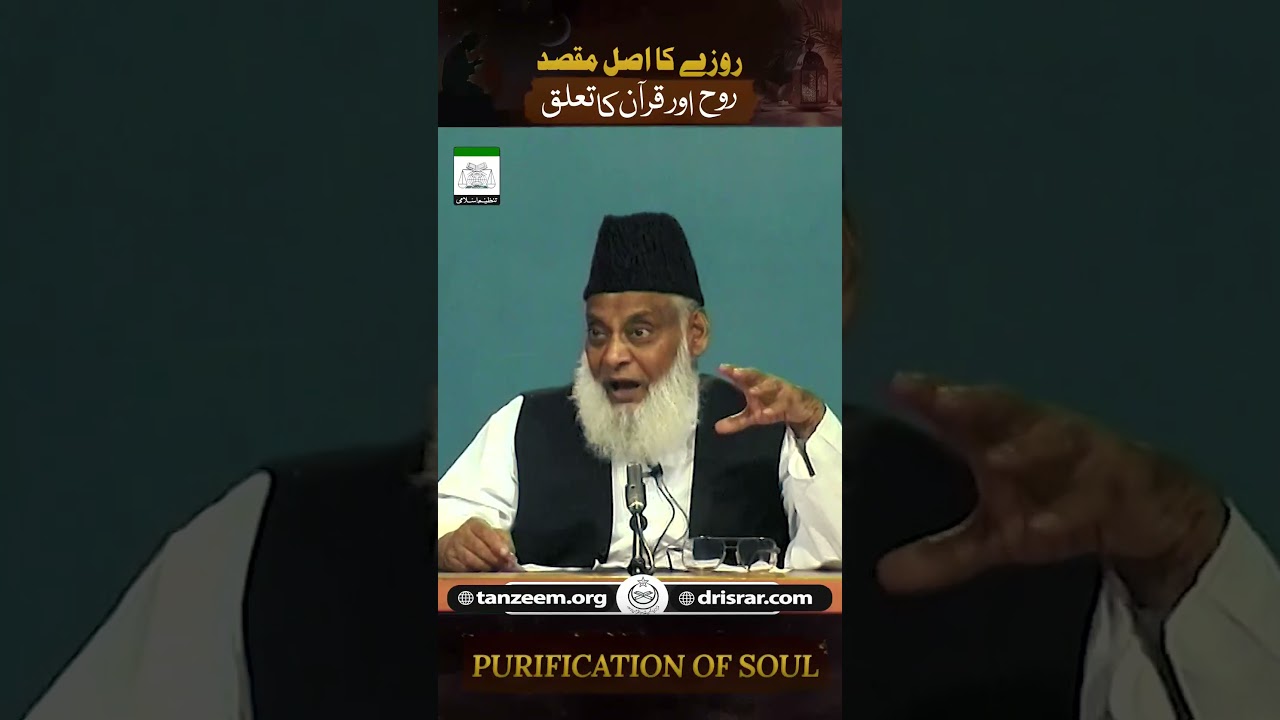
Fasting provides relief to the soul burdened by worldly desires, reducing the weight of the physical self. This spiritual liberation allows for a deeper connection with the Divine. The essence of fasting lies in the soul’s return to its origin, acknowledging Allah’s greatness and expressing gratitude. Upon regaining consciousness, the soul is revitalized and directed towards its true source. Just as all things return to their origin, our physical existence returns to the earth after death, while the soul returns to its Creator. This connection with Allah, expressed through prayer and supplication, is the ultimate objective of observing the fast. The fast isn’t merely abstaining from food and drink; it is a pathway to spiritual renewal and a return to one’s divine source.
71
