Calção
This lecture explores a stanza from the poem 'Sam-e-Hayat,' interpreting its metaphorical connection between the rhythm of a military funeral procession and the beating of one’s own heart as a measure of time approaching death. The speaker explains that each beat of the drum in the funeral procession brings the coffin closer to the grave, mirroring how each heartbeat brings an individual closer to their final destination. The poem's imagery highlights the transient nature of life and the inevitability of death, urging reflection on mortality.

86
This lecture clarifies the distinction between permissible (halal) and prohibited (haram) actions and foods in Islam. It specifically addresses ‘mushtabahat’ – the grey areas between clear halal and haram. The speaker emphasizes erring on the side of caution and avoiding ambiguous matters to maintain piety. While legally permissible to engage with ambiguous things if their prohibition isn’t definitively proven, true piety lies in restricting oneself to that which is demonstrably halal, based on evidence from the Quran and Sunnah. The lecture stresses that while the law may allow for ambiguity, religious devotion demands a higher standard of certainty.
73
This lecture explores the profound impact of consistent Quranic recitation on the purification of the self. It details how deep contemplation and repetition remove intellectual and philosophical errors, dismantling false beliefs and flawed ideologies. True purification manifests not in outward cleanliness, but in the correction of inner thought and the alignment of actions with divine guidance. The speaker emphasizes that a focus on the afterlife fosters cautious behavior, mindful speech, and a commitment to earning a lawful livelihood. This process, rooted in the teachings and example of the Prophet Muhammad, peace be upon him, cultivates a life guided by truth, accountability, and a fear of divine judgment. It is a transformation from heedlessness to awareness, from worldly desires to spiritual fulfillment.
71
The Quran places significant emphasis on the observance of Salah (prayer) and Zakat (charity), repeatedly outlining their importance. While the verses detailing the complete regulations for fasting are concentrated in Surah Al-Baqarah, references to fasting are often limited to instances requiring expiation. Unlike fasting, the Quran consistently presents Salah and Zakat as independent, fundamental obligations. The repeated emphasis on these two pillars suggests their central role in Islamic practice and faith.
59
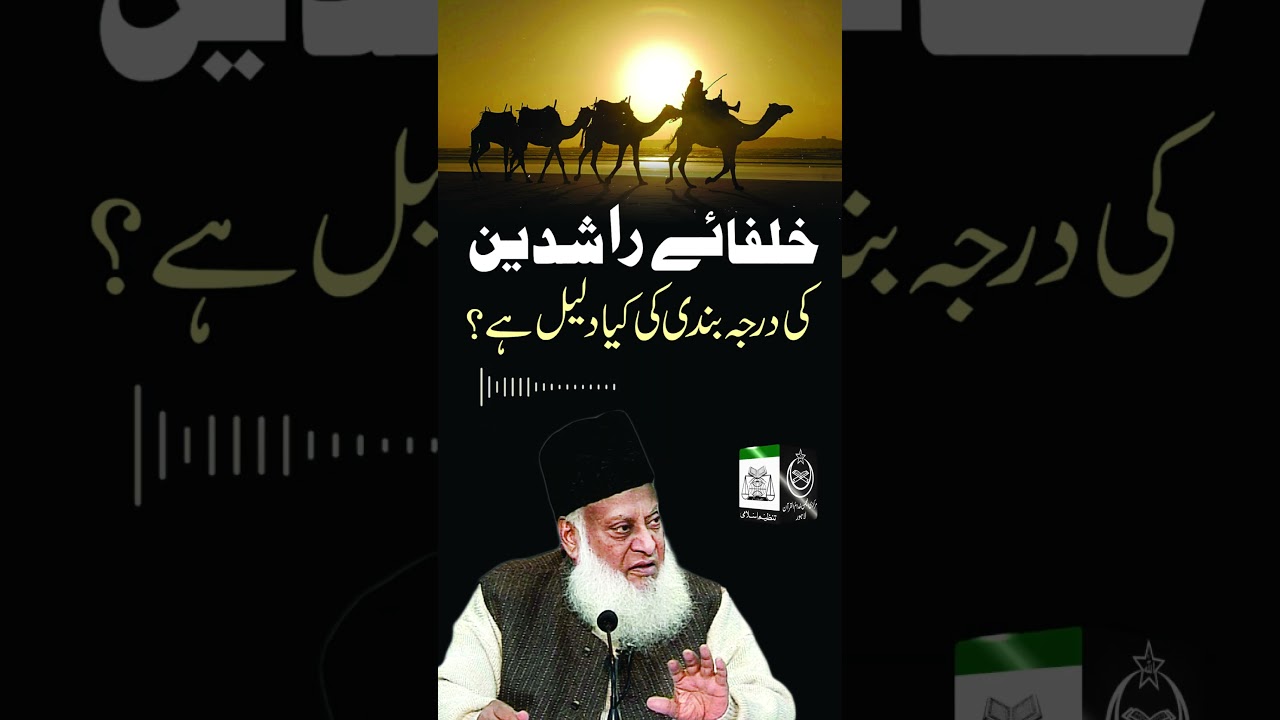
This lecture explains the Sunni perspective on the ranking of the Sahaba, particularly the Rashidun Caliphs. The ranking is based on the consensus of the Sahaba themselves, as demonstrated by their selection of Abu Bakr, then Umar, then Uthman, and finally Ali as Caliphs. Each selection implies the chosen individual was considered the most suitable at that time. This system of ranking, known as *tartib al-khilafa*, is detailed in the writings of Hazrat Mujaddid Alf Sani. The lecture then briefly references the remaining six members of the Ashara Mubashara.
44
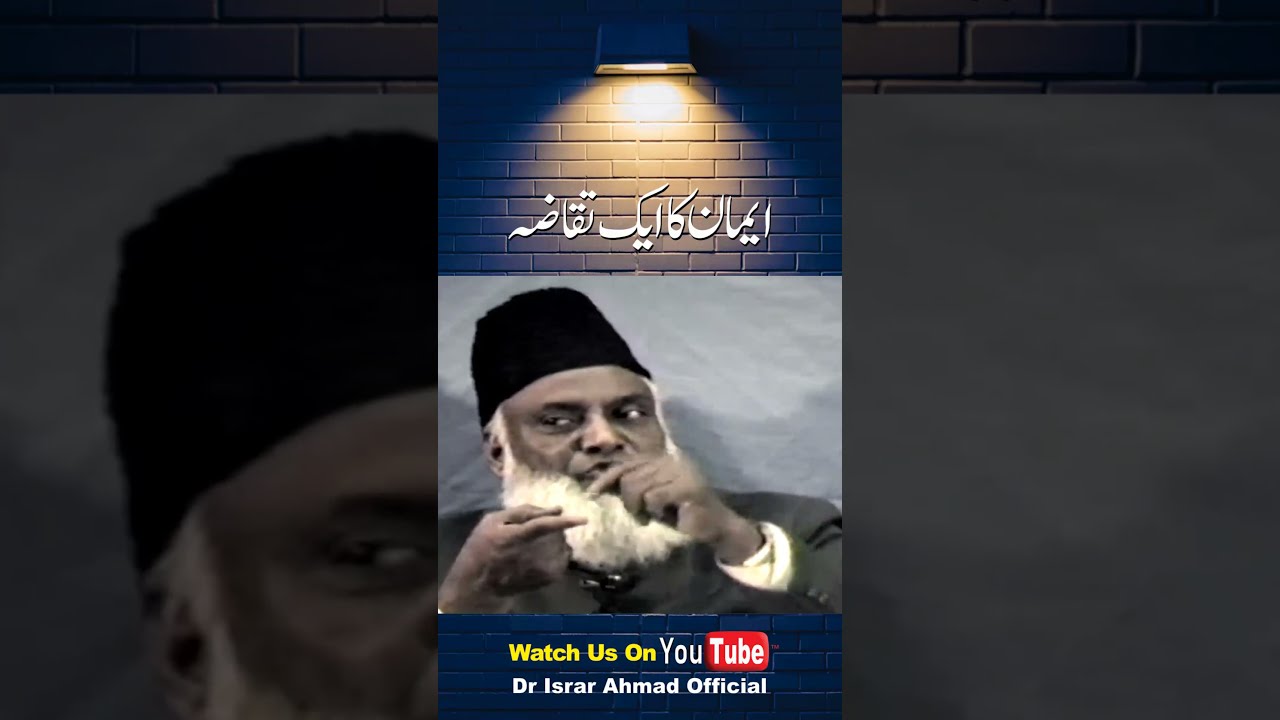
This lecture emphasizes the religious obligation of every Muslim to strive for the establishment of the Caliphate system. It asserts that failing to do so constitutes a contradiction of faith and a disregard for divine law. The speaker criticizes a narrow focus on material possessions and worldly concerns, arguing that a true Muslim’s life should be dedicated to this essential struggle, regardless of whether their efforts are recognized or accepted by others. The lecture draws a parallel to the tireless work of past prophets, highlighting that persistent effort is key to success, even in the face of rejection.
71
