شارٹس
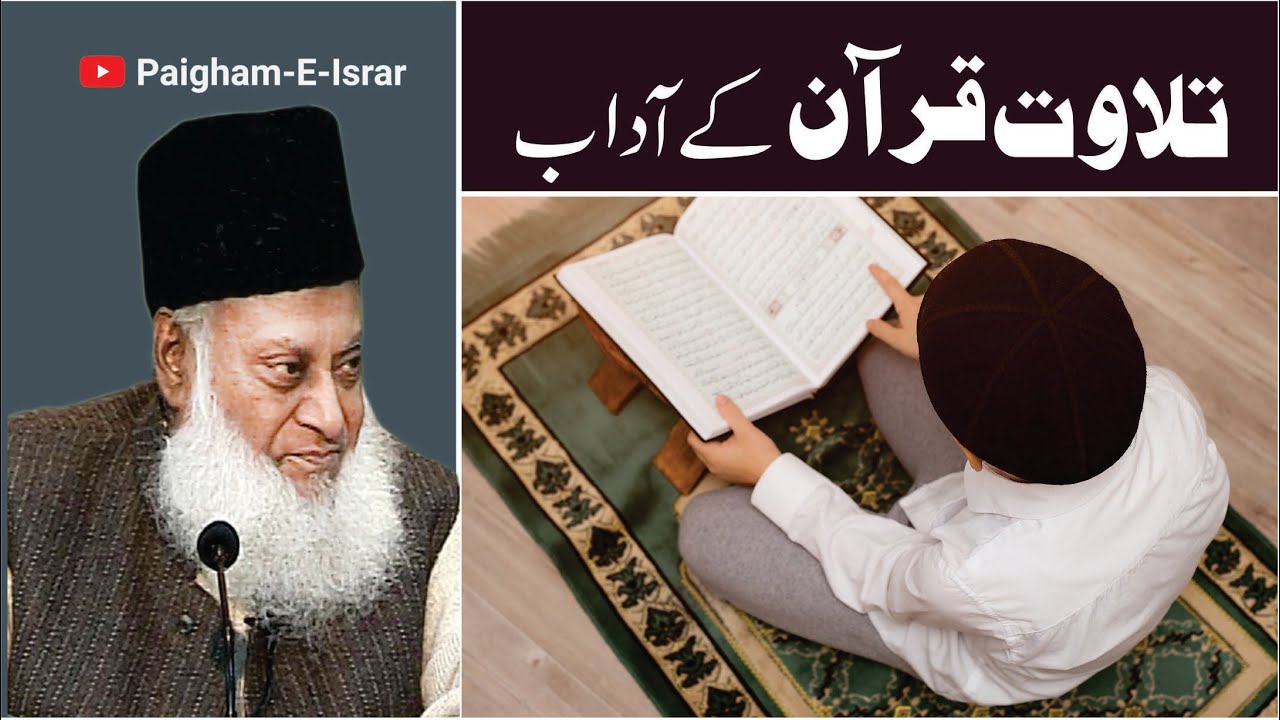
Dr. Israr Ahmad discusses the proper method of Quran recitation, emphasizing the importance of correct pronunciation (tajweed), understanding the meaning, and avoiding superficial artistic displays. He contrasts true Quranic recitation with competitive performances, highlighting that the Quran should enter the heart, not just be a vocal exercise. He warns against reciting Quran while engaging in sinful activities, and stresses that a sincere connection with the Quran strengthens faith and resilience. He also clarifies the difference between *tilawat* (recitation) and *tartil* (rhythmic, meaningful recitation). He cautions against relying solely on eloquent recitation without comprehension, and advocates for learning from qualified teachers to ensure accurate pronunciation and understanding.

129

This lecture discusses a dangerous mindset prevalent among some communities: the belief that belonging to a specific lineage or group guarantees forgiveness and exempts them from accountability. This mindset leads to moral decay, justification of wrongdoing, and a rejection of responsibility. The speaker warns against prioritizing worldly pleasures and neglecting spiritual obligations, emphasizing the fleeting nature of life and the importance of striving for righteousness. He asserts that accountability is universal and that true salvation comes through sincere repentance and adherence to divine guidance, not through false assurances of inherited privilege.
76

The human soul inherently possesses two crucial elements: divine knowledge ('ma'rifat-e-Rabbani') and divine love ('mohabbat-e-Rabbani'). These are present as a radiant light and inner warmth, often obscured by layers of heedlessness, desire, ego, and pride. These obscuring layers deepen with increased indulgence in worldly desires or the development of arrogance, concealing the soul's innate connection to the divine. Removing these layers reveals the glowing ember of spiritual awareness and affection already within.
56
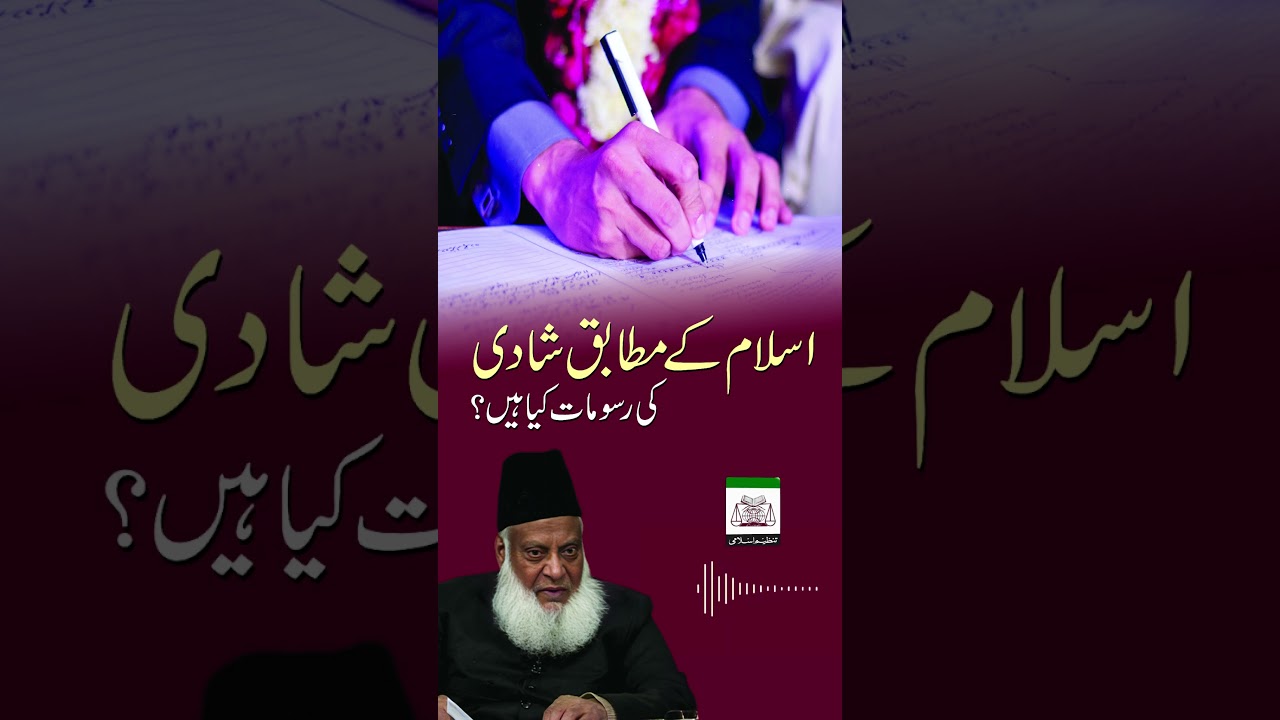
This lecture clarifies Islamic perspectives on marriage, contrasting them with prevalent Hindu customs. Islam encourages marriage ceremonies to be held in mosques, with the groom’s family hosting the celebratory feast. The bride’s family is not expected to host a separate event. Furthermore, Islam does not recognize the concept of dowry, as daughters are considered equal inheritors alongside sons, receiving their share of the family estate upon division of assets. This ensures financial security for the daughter without the need for a dowry.
77
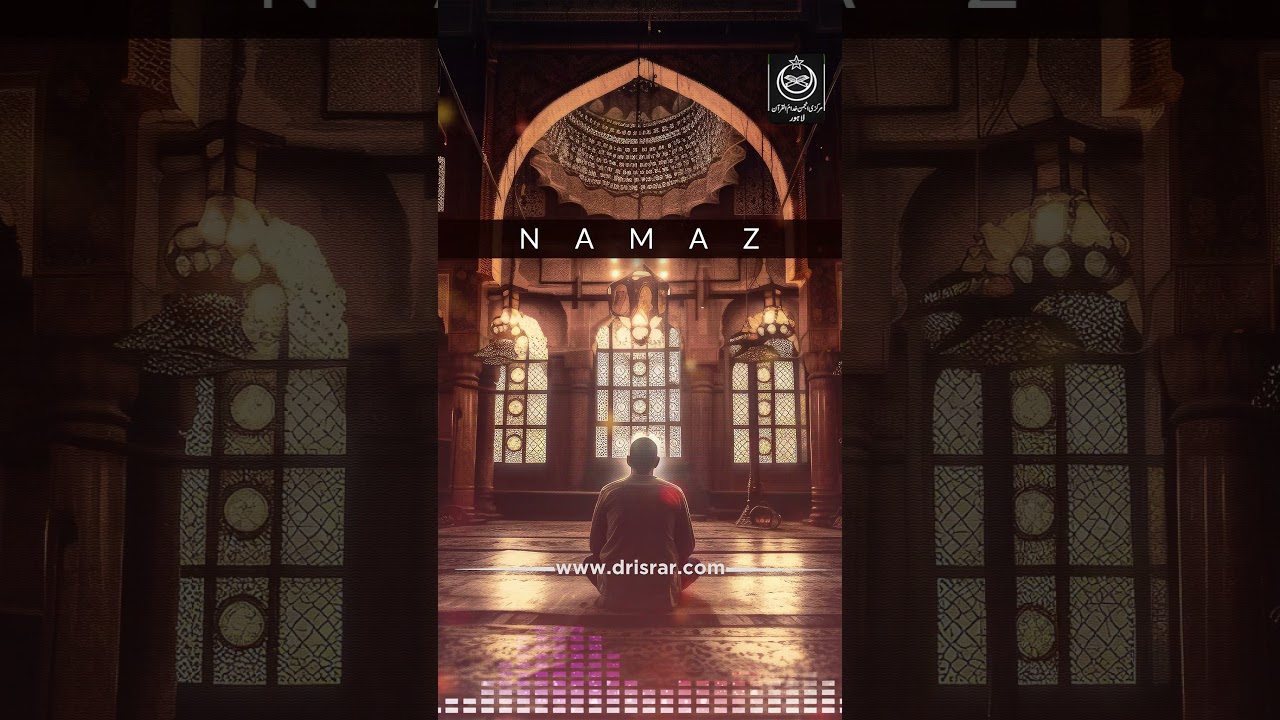
True goodness isn't merely external ritual; it’s an internal transformation affecting the entire being. The essence of worship, like prayer, lies not in its technicalities, but in achieving a spiritual presence with God. Genuine prayer evokes a heartfelt connection, a sense of joy, and a direct communion with the Divine. The experience should be one of complete surrender and humility before God. Without this spiritual depth, the act remains incomplete.
45

This lecture elaborates on Surah Al-Asr, emphasizing that humanity is in loss except for those who believe, perform righteous deeds, encourage truthfulness, and practice patience. It details the conditions for escaping this universal loss, highlighting the importance of faith, action, and moral character. The surah serves as a timeless reminder of accountability and the path to success in this life and the hereafter. Dr. Israr Ahmad meticulously analyzes each verse, providing insightful commentary on its meaning and application to contemporary life. The discussion focuses on how to achieve a balanced life grounded in faith and good deeds, and the consequences of neglecting these principles. It underscores the need for individual and collective responsibility in upholding truth and practicing patience in the face of adversity.
59
