Shorts
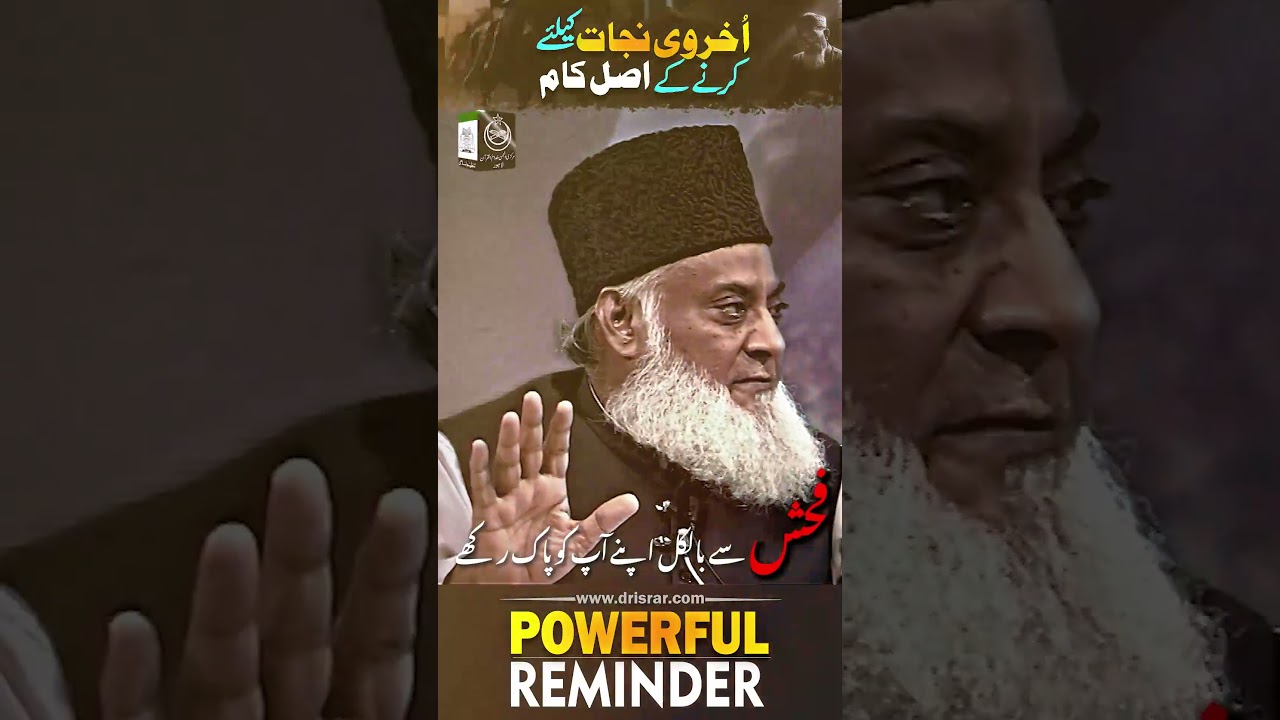
This lecture emphasizes prioritizing the afterlife while fulfilling worldly needs. It stresses reliance solely on Allah, avoidance of major sins, controlling anger, establishing a heart connection with Allah through prayer, seeking counsel, and dedicating wealth to the cause of Allah. The speaker advocates a balanced life focused on spiritual preparation and righteous action.

67
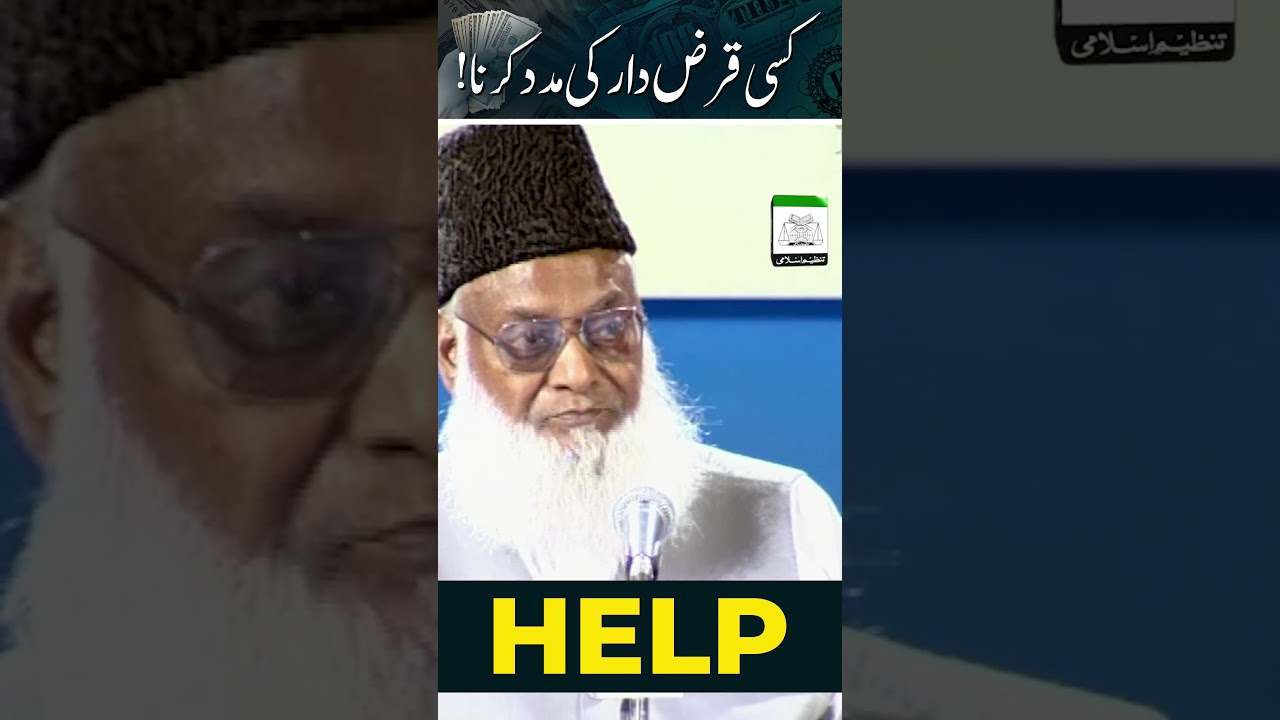
This lecture addresses the proper way to assist individuals trapped in debt or facing business failure. It emphasizes empowering them to regain financial independence, rather than providing perpetual financial support which perpetuates their dependency. The speaker advocates for strategic assistance that enables individuals to rebuild their lives and become self-sufficient members of the community, particularly within minority groups. The focus is on enabling sustainable recovery, not simply maintaining a state of need.
49
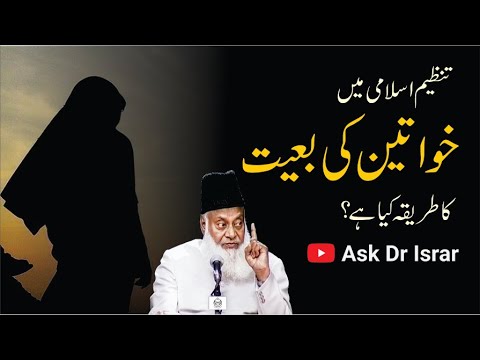
This lecture details the process for women’s inclusion within Islamic organizations. Women participate in *bay'ah* (allegiance), but a separate form is used for women, based on verses from Surah Al-Mumtahanah in the Quran. A woman's primary obligation is to her husband. The lecture clarifies what happens if a woman, after joining the organization, receives a summons she cannot fulfill due to obligations to her husband or children; such excused absences will be accepted. No penalty will be applied for unavoidable constraints, and prayers will be made for ease.
55
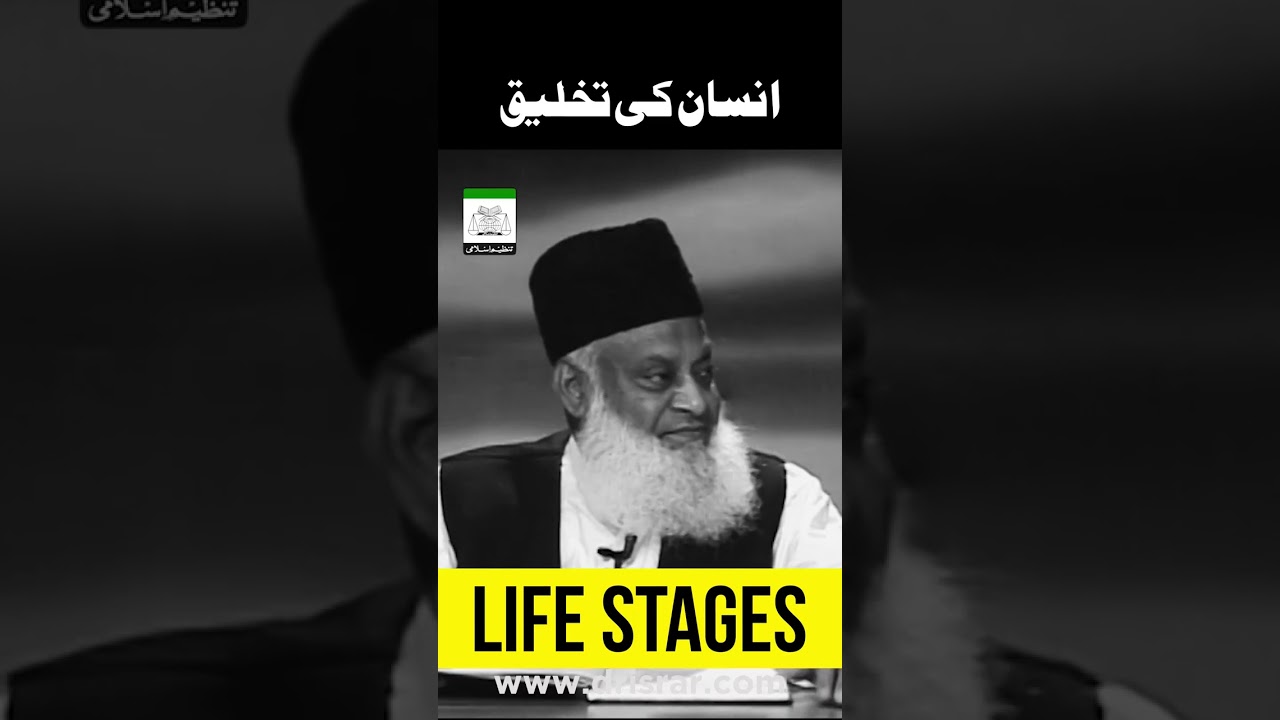
This lecture details the stages of human development from conception to old age, emphasizing the divine process governing life. It outlines creation from a sperm, its development into an embryo, then a fetus, followed by growth and maturity. The lecture acknowledges that some individuals are taken before reaching full potential, while others experience a decline in cognitive function with age, forgetting what they once knew. It reflects on the cyclical nature of life and the ultimate return to the Divine.
112
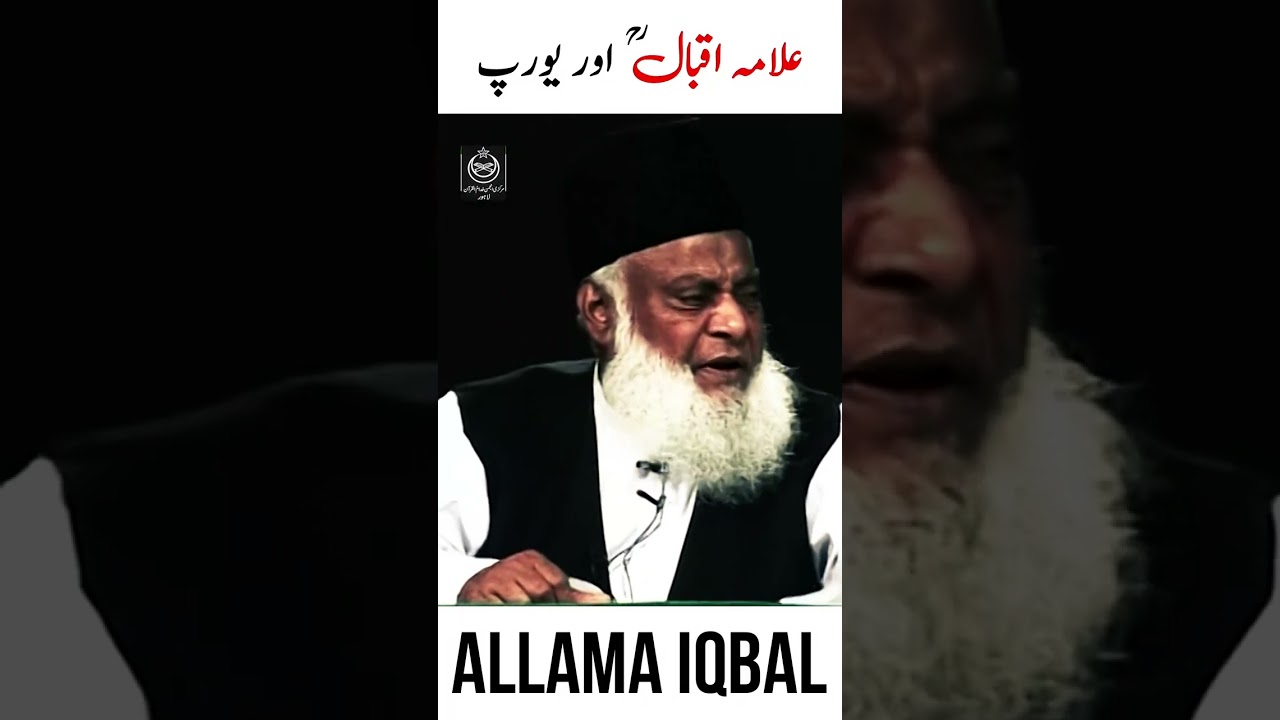
Allama Iqbal’s journey to Europe marked a significant intensification of his Islamic faith. His upbringing, deeply rooted in religious values through his devout mother and Sufi father, provided a strong foundation. While initially religious, his experiences in England proved transformative. He describes a feeling of being ‘tested’ through exposure to Western philosophy and thought, likening it to the trial of Abraham. This period of intellectual and spiritual challenge forged a deeper, more resilient faith within him. He portrays this period as a trial by fire, a process of purification and strengthening of his religious convictions.
35
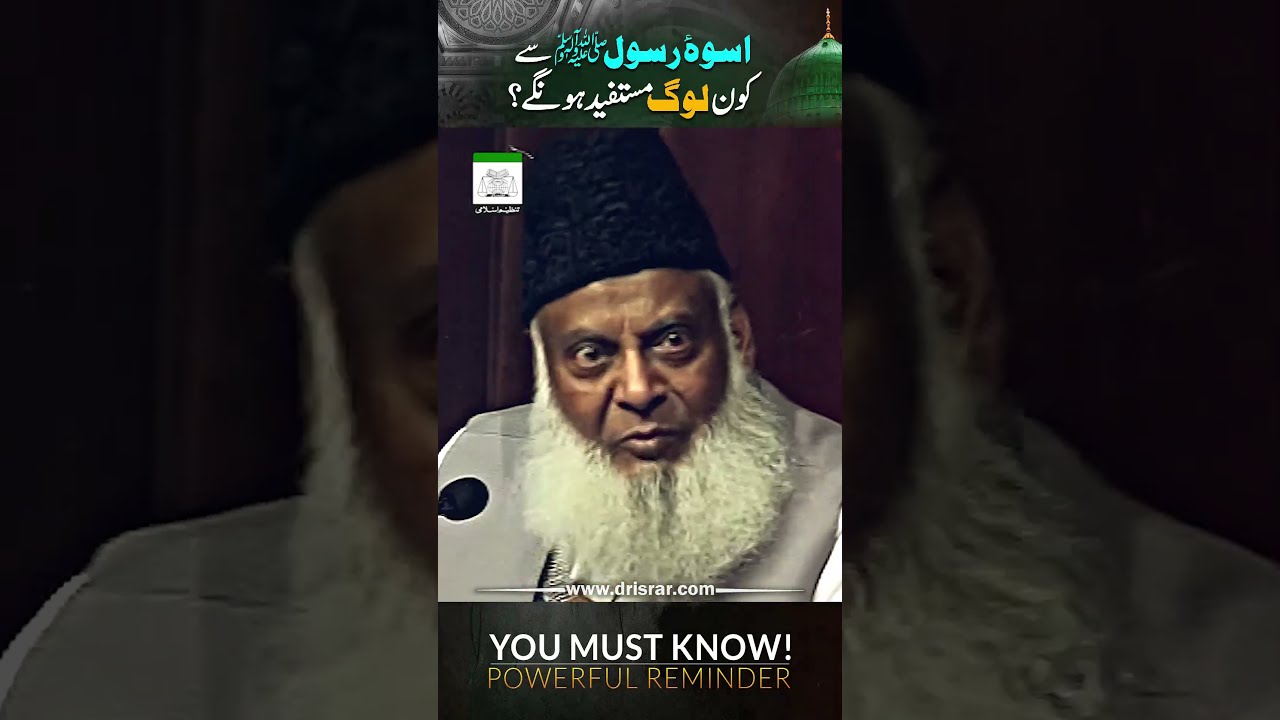
The Prophet Muhammad (peace be upon him) serves as the best example for those who believe in God and the Day of Judgement, and who consistently remember God. The Quran provides guidance for all, but only those who are pious and fulfill specific conditions—faith in God and the afterlife, and constant remembrance of God—will truly benefit. This lecture highlights the Prophet’s life as a complete argument for humanity. The establishment of Islam's social justice system was achieved through persistent effort, hardship, sacrifice, patience, perseverance, and resilience, not through miracles or divine comforts. The example of the Battle of Tabuk demonstrates the dedication of early Muslims, even sharing meager rations to support one another. This is the essence of the Prophet’s legacy.
82
